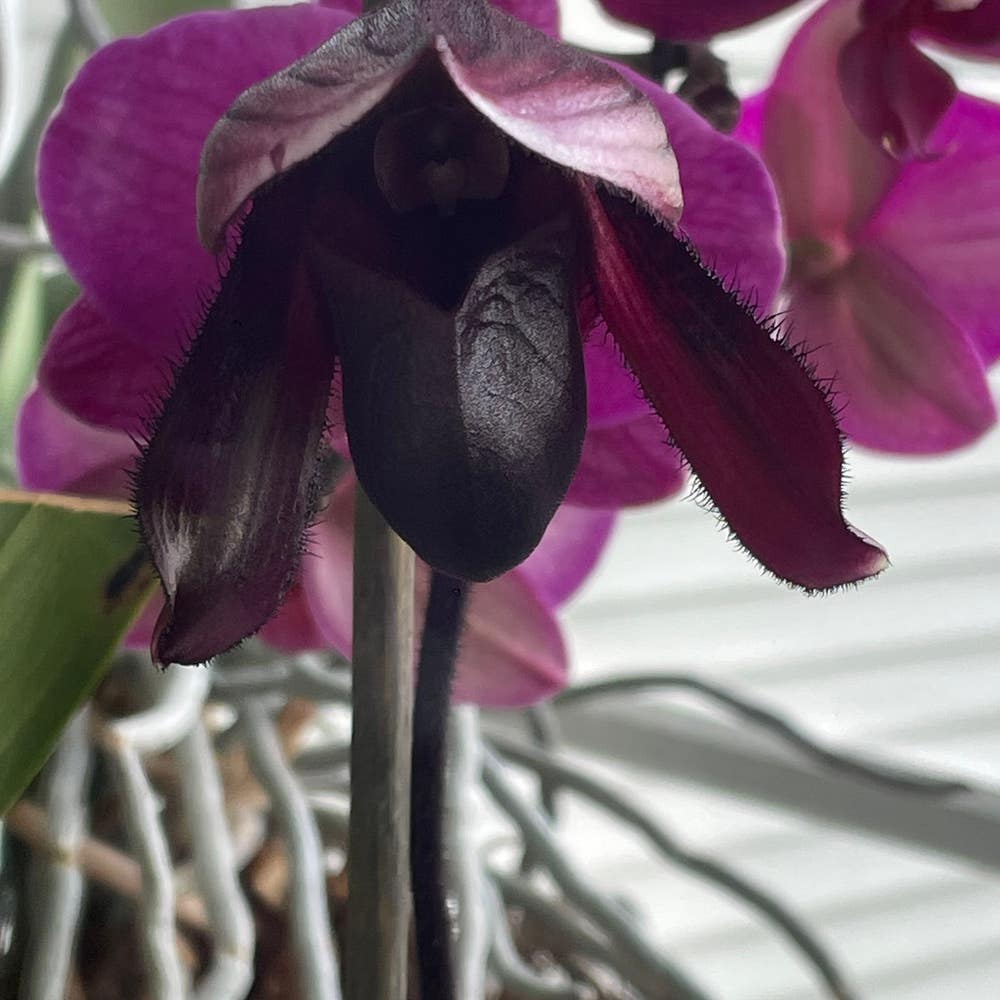
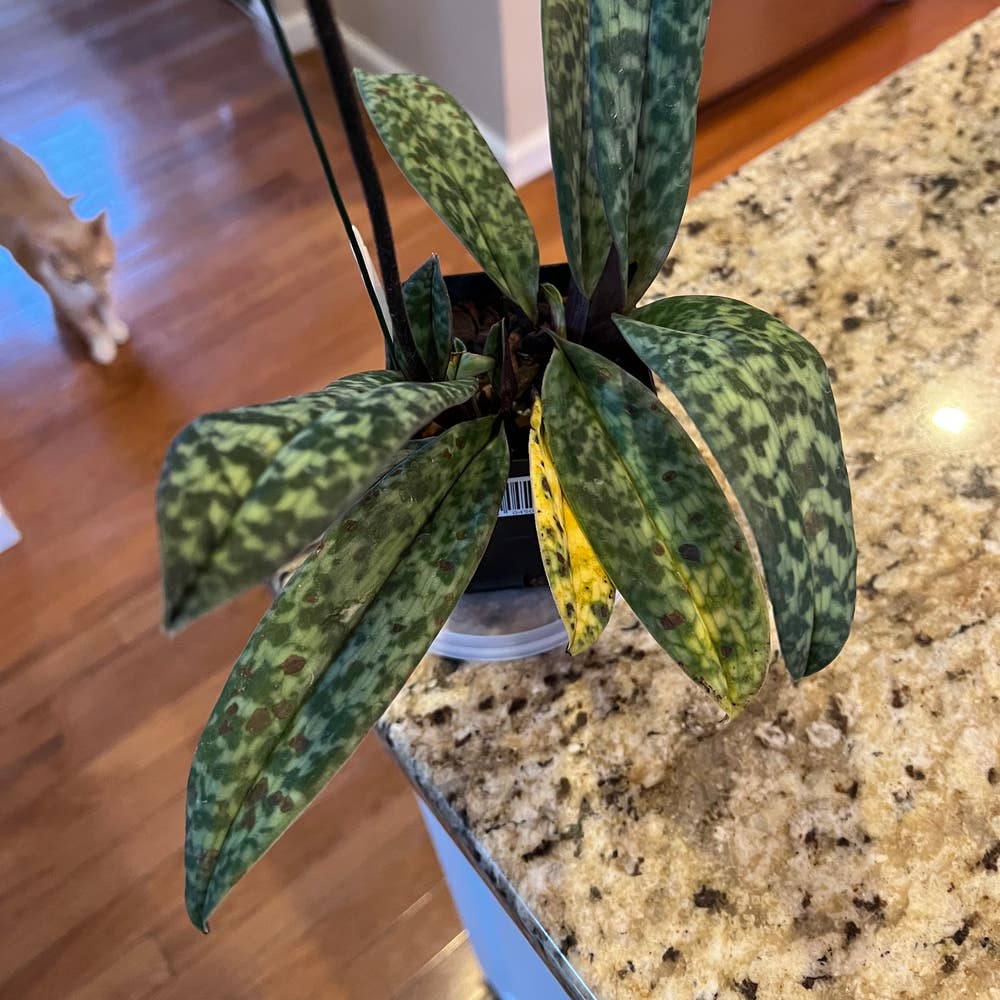
✂️ How and When to Cut Back Your Paphiopedilum
Paphiopedilum hirsutissimum
By the Greg Editorial Team
Nov 09, 2024•3 min read
This article was created with the help of AI so we can cover more plants for you. May contain errors. See one? Report it here.
Unlock vibrant blooms for your Paphiopedilum 🌱 with expert pruning tips that ensure a thriving orchid garden!
- 🌸 Prune your Paphiopedilum after flowering, typically late winter to early spring.
- 🍃 Yellowing spikes and wilting leaves signal it's time for a trim.
- 💧 Maintain moisture and humidity post-pruning for optimal recovery and growth.
Timing for Pruning
Best Time of Year to Prune 🌱
The ideal time to prune your Paphiopedilum is right after it finishes flowering, typically between late winter and early spring. This timing aligns perfectly with the plant's growth cycle, allowing it to recover and thrive as new growth begins.
Signs That Indicate When to Cut Back ✂️
Look for yellowing or browning flower spikes; these are clear indicators that the blooms have spent their time. Additionally, wilting leaves may signal that your plant needs a trim to encourage fresh growth.
If you notice a lack of new growth, it’s a strong sign that your Paphiopedilum could benefit from rejuvenation. Pruning at the right moment can help your plant regain its vigor and beauty, setting the stage for a stunning display in the next blooming season.
With these signs in mind, you can confidently approach the pruning process, ensuring your orchid remains healthy and vibrant. Next, let’s explore the art of deadheading to further enhance your plant’s growth and flowering potential.
Post-Pruning Care
Care Tips After Pruning 🌱
After pruning your Paphiopedilum, it's crucial to maintain consistent moisture. However, be careful not to overwater, as this can lead to root rot.
High humidity levels are essential for recovery. Consider using a humidity tray or misting your plant regularly to create a supportive environment.
Monitoring Plant Health Post-Pruning 👀
Watch for signs of recovery, such as new leaf growth and healthy root development. These indicators show that your plant is bouncing back from the pruning process.
Regular inspections are vital. Keep an eye out for pests or diseases that may arise during this vulnerable period.
Fertilization Considerations After Cutting Back 🌼
Resume feeding your Paphiopedilum with a balanced orchid fertilizer about 4-6 weeks after pruning. This timing helps replenish nutrients lost during the pruning process.
Focus on phosphorus in your fertilization routine. This nutrient is key to encouraging blooming and ensuring your orchid thrives.
By following these post-pruning care tips, you’ll set your Paphiopedilum up for a successful recovery and vibrant growth. Next, let’s explore common mistakes in pruning that you should avoid to keep your plant healthy and flourishing.
Common Mistakes in Pruning
🚫 Mistakes to Avoid
Pruning your Paphiopedilum can be a delicate process. One of the most common mistakes is cutting too early, which can hinder blooming potential and leave your plant struggling.
Another frequent error is over-pruning. Removing too much foliage can stress the plant, leading to a host of problems that could have been easily avoided.
⚠️ How Improper Pruning Affects Health
Improper pruning can have significant consequences. For instance, stunted growth often results from excessive cutting, leading to a decline in overall vigor.
Additionally, over-pruned plants become more susceptible to pests and diseases. A weakened plant defense system can turn your beautiful orchid into a target for unwanted invaders.
💭 Addressing Misconceptions
There are many myths surrounding orchid care, particularly regarding pruning. One common misconception is that all orchids require heavy pruning to thrive.
In reality, Paphiopedilum orchids benefit from careful, minimal pruning. This approach helps maintain their health and beauty, ensuring they continue to flourish in your care.
Understanding these common mistakes will empower you to make better pruning decisions. With the right techniques, your Paphiopedilum can thrive beautifully. Next, let's explore the essential post-pruning care to keep your plant healthy and vibrant.
⚠️ Safety First
This content is for general information and may contain errors, omissions, or outdated details. It is not medical, veterinary advice, or an endorsement of therapeutic claims.
Always consult a qualified healthcare professional before using any plant as food, medicine, or supplement.
Never eat any plant (or feed one to pets) without confirming its identity with at least two trusted sources.
If you suspect poisoning, call Poison Control (800) 222-1222, the Pet Poison Helpline (800) 213-6680, or your local emergency service immediately.
Spotted an error? Please report it here.
Pruning your Paphiopedilum at the right time can lead to blooming success 🌺, and with Greg's tailored care reminders, you'll keep your orchid thriving through every stage of growth!