🌸 Best Practices for Repotting Paphiopedilum
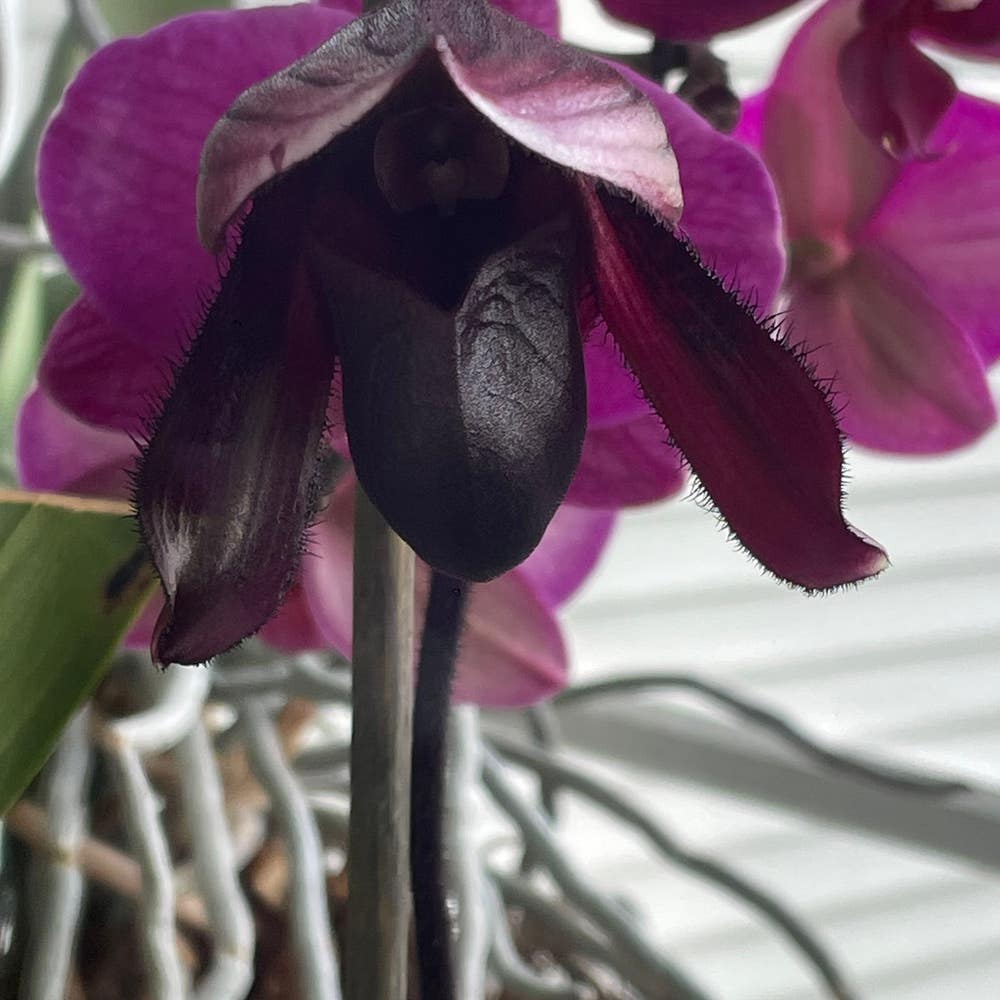
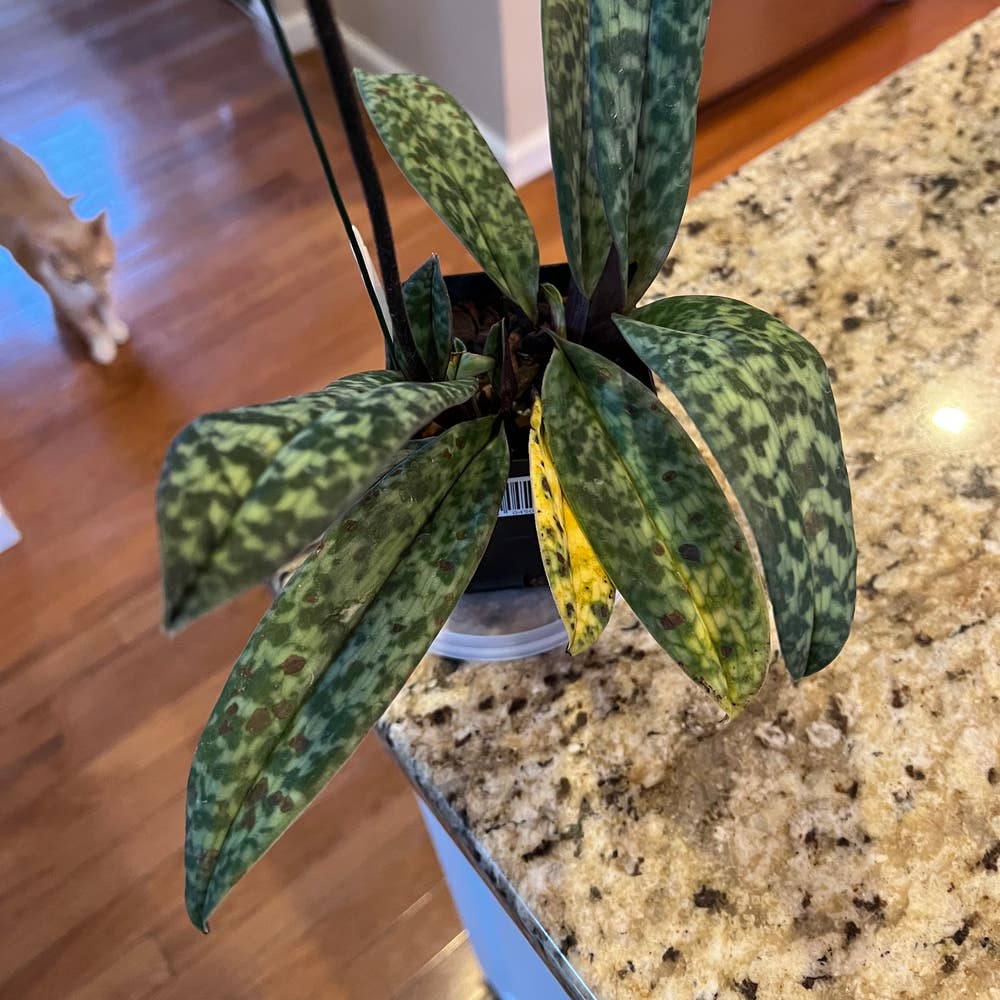
Paphiopedilum hirsutissimum
By the Greg Editorial Team
Nov 09, 2024•6 min read
This article was created with the help of AI so we can cover more plants for you. May contain errors. See one? Report it here.
Revitalize your Paphiopedilum's blooms 🌸 with essential tips for timely repotting and care!
- 🌱 Signs to repot: Roots out of holes or yellowing indicate it's time for a new pot.
- ⏰ Best timing: Repot in early spring or post-flowering to reduce stress.
- 🧰 Preparation is key: Use clean pots and tools for a smooth repotting process.
Signs That Indicate It's Time to Repot
🌱 Root Health Indicators
One of the first signs that your Paphiopedilum needs repotting is when roots start growing out of the drainage holes. This indicates that the plant is root-bound and needs more space to thrive.
Another critical indicator is the condition of the roots themselves. If you notice yellowing or mushy roots, this is a clear sign of root rot or poor health, signaling that it's time for a change.
📈 Growth Patterns
Pay attention to your plant's growth patterns. Stunted growth, characterized by a lack of new growth or flower spikes, often means the orchid is struggling in its current pot.
Additionally, decreased flowering can be a red flag. If your Paphiopedilum produces fewer blooms than in previous years, it may be time to repot and rejuvenate its environment.
🪴 Potting Mix Condition
The condition of the potting mix is equally important. If you observe a breakdown of the potting mix, such as compacted or decomposed material, it can severely affect drainage and root health.
Lastly, the presence of algae or mold on the surface of the potting mix indicates poor aeration and moisture retention. This is a clear sign that your orchid needs a fresh start in a new potting medium.
Recognizing these signs early can help ensure your Paphiopedilum remains healthy and vibrant. Next, we will explore the best practices for repotting your orchid to give it the care it deserves.
Best Practices for Repotting
🕒 Timing for Repotting
Repotting your Paphiopedilum at the right time is crucial for its health. The ideal seasons are early spring or right after flowering, as this minimizes stress on the plant.
Generally, you should repot every 1-2 years. This frequency depends on the growth rate and the condition of the potting mix.
🛠️ Preparation Steps
Before you start, gather all necessary tools. You'll need clean pots, fresh potting mix, pruning shears, and a sterile work surface.
Next, inspect your plant thoroughly. Check for any pests or diseases that could complicate the repotting process.
🌱 Repotting Techniques
- Remove the orchid from its current pot: Gently loosen the roots to avoid damage.
- Clean the roots: Use sterilized shears to trim away any dead or damaged roots.
- Choose the right pot: Select a pot that allows for growth but isn’t excessively large.
- Add potting mix: Place a layer of potting mix at the bottom of the new pot.
- Position the orchid: Center the plant and fill in around the roots with more potting mix.
- Water thoroughly: Ensure the potting mix is moist but not waterlogged to promote healthy growth.
Following these best practices will help ensure your Paphiopedilum thrives in its new environment. With the right timing and techniques, you can foster a healthy, vibrant orchid that blooms beautifully.
Next, let's explore the various pot material options that can further enhance your repotting experience.
Pot Material Options
Choosing the right pot material for your Paphiopedilum is crucial for its health and growth. Each option has its unique benefits and drawbacks, so let's break them down.
🥤 Pros and Cons of Plastic Pots
Plastic pots are a popular choice among orchid enthusiasts.
Pros:
- They are lightweight, making them easy to move around.
- They retain moisture well, which can be beneficial for orchids that prefer consistent humidity.
- Generally, they are inexpensive, allowing for budget-friendly gardening.
Cons:
- Plastic pots are less breathable than other materials, which can lead to root rot if the plant is overwatered.
- They may not provide the same aesthetic appeal as natural materials.
🏺 Pros and Cons of Clay Pots
Clay pots offer a different set of advantages and challenges.
Pros:
- They provide excellent drainage and aeration, helping to prevent overwatering.
- The porous nature of clay allows for better air circulation around the roots.
Cons:
- Clay pots are heavier, which can be a hassle when moving your plants.
- They tend to dry out quickly, requiring more frequent watering, especially in warm conditions.
🌱 Alternatives: Net Pots and Other Materials
If you're looking for alternatives, net pots and other materials can be great options.
- Net pots are fantastic for drainage and allow you to easily monitor root health. They promote airflow, which is essential for healthy root systems.
- Other materials like biodegradable pots or ceramic options can also be considered. Biodegradable pots are eco-friendly, while ceramics can add a decorative touch to your collection.
Choosing the right pot material can significantly impact your Paphiopedilum's growth and health. As you consider your options, think about your specific growing conditions and the needs of your orchid. This thoughtful approach will set the stage for successful repotting and thriving plants.
Next, let's explore potting mix considerations to ensure your orchid has the best environment to flourish.
Potting Mix Considerations
Recommended Potting Mixes 🌱
Choosing the right potting mix is crucial for the health of your Paphiopedilum orchids. A blend of bark, perlite, and sphagnum moss is ideal, as it promotes aeration while retaining moisture.
Aim for a slightly acidic pH level between 5.5 and 6.5. This range supports optimal nutrient absorption and overall plant health.
Customizing Potting Mix for Specific Varieties 🌼
Different Paphiopedilum hybrids may have unique needs when it comes to potting mix. Adjusting the ingredients based on the specific variety can enhance growth and flowering.
Consider factors like moisture retention and aeration. Some hybrids thrive in a more moisture-retentive mix, while others prefer a drier environment. Tailoring your potting mix ensures your orchids receive the best care possible.
By understanding these potting mix considerations, you set the stage for successful repotting. Next, let’s explore common mistakes to avoid during this process.
Common Repotting Mistakes to Avoid
🚫 Mistakes to Avoid
Repotting too frequently can stress your Paphiopedilum and hinder its growth. It's essential to find a balance; typically, every 1-2 years is sufficient unless you notice specific signs that indicate a need for repotting.
Using the wrong pot size is another common pitfall. A pot that's too large can lead to overwatering issues, as the excess soil retains moisture longer than the roots can handle.
🛡️ How to Prevent Root Damage
When handling roots, always be gentle. Avoid pulling or tearing them, as this can cause lasting damage that affects the plant's health.
Sterilizing your tools is crucial to prevent infection. A quick wipe with rubbing alcohol can save your orchid from potential pests and diseases lurking on your shears.
⏰ Importance of Timing
Recognizing the right growth phase for repotting is vital. Avoid repotting during dormancy or flowering, as this can disrupt the plant's natural cycle.
Consider seasonal factors as well. Early spring or after flowering is generally the best time to repot, aligning with your plant's growth patterns and minimizing stress.
By avoiding these common mistakes, you can ensure your Paphiopedilum thrives in its new environment. Next, let’s explore the various pot material options that can further enhance your repotting success.
⚠️ Safety First
This content is for general information and may contain errors, omissions, or outdated details. It is not medical, veterinary advice, or an endorsement of therapeutic claims.
Always consult a qualified healthcare professional before using any plant as food, medicine, or supplement.
Never eat any plant (or feed one to pets) without confirming its identity with at least two trusted sources.
If you suspect poisoning, call Poison Control (800) 222-1222, the Pet Poison Helpline (800) 213-6680, or your local emergency service immediately.
Spotted an error? Please report it here.
Repotting your Paphiopedilum is a breeze 🌼 with Greg's tailored reminders and expert potting tips, ensuring your orchid flourishes and blooms beautifully!