🌸 5 Factors Influencing Paphiopedilum Size
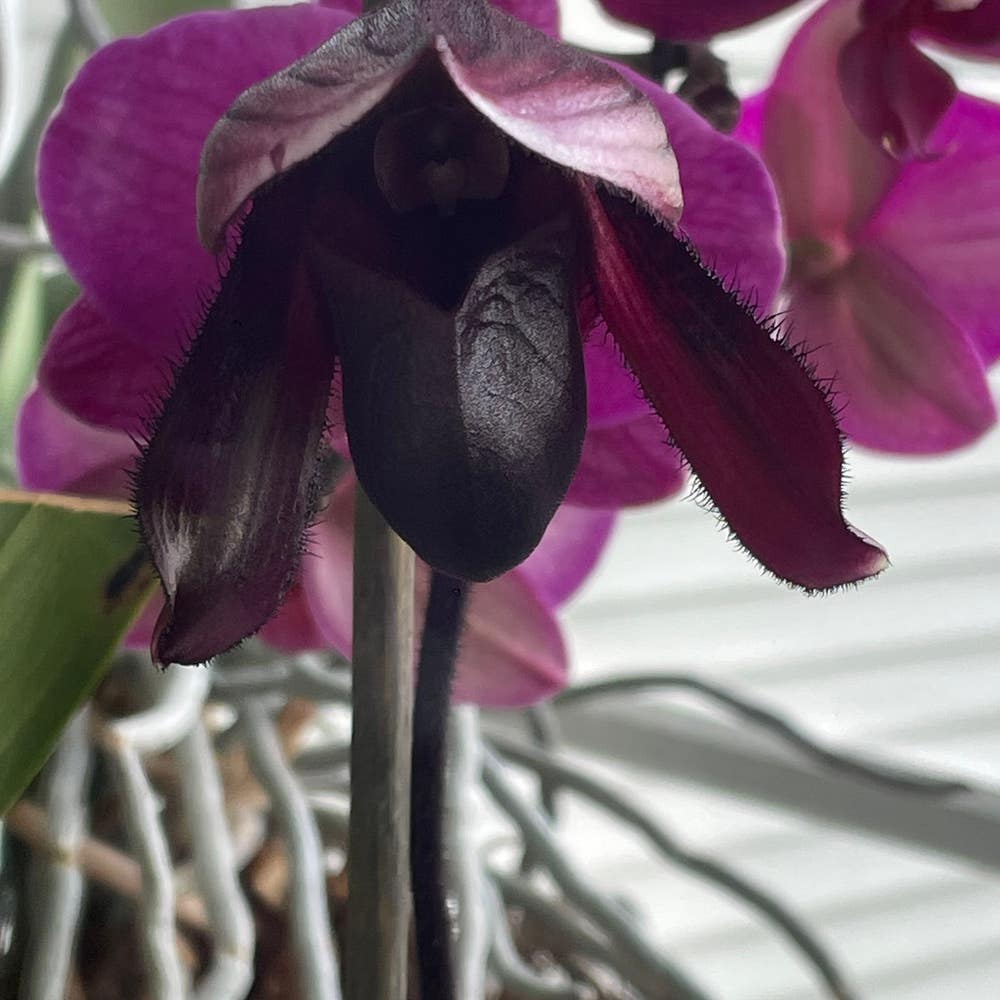
Paphiopedilum hirsutissimum
By the Greg Editorial Team
Oct 25, 2024•5 min read
This article was created with the help of AI so we can cover more plants for you. May contain errors. See one? Report it here.
Master the art of growing stunning Paphiopedilum orchids 🌸 by understanding their size and care needs!
- 🌱 Paphiopedilum orchids grow 6 to 24 inches, depending on species and conditions.
- 💡 Optimal light, humidity, and temperature are crucial for achieving desired sizes.
- 🪴 Pot size and soil quality significantly influence growth and root health.
Mature Height and Spread
🌱 General Size Characteristics
Paphiopedilum orchids typically range from 6 to 18 inches in height. Their unique slipper-shaped flowers can create an illusion of greater size, making them visually captivating.
📏 Average Dimensions
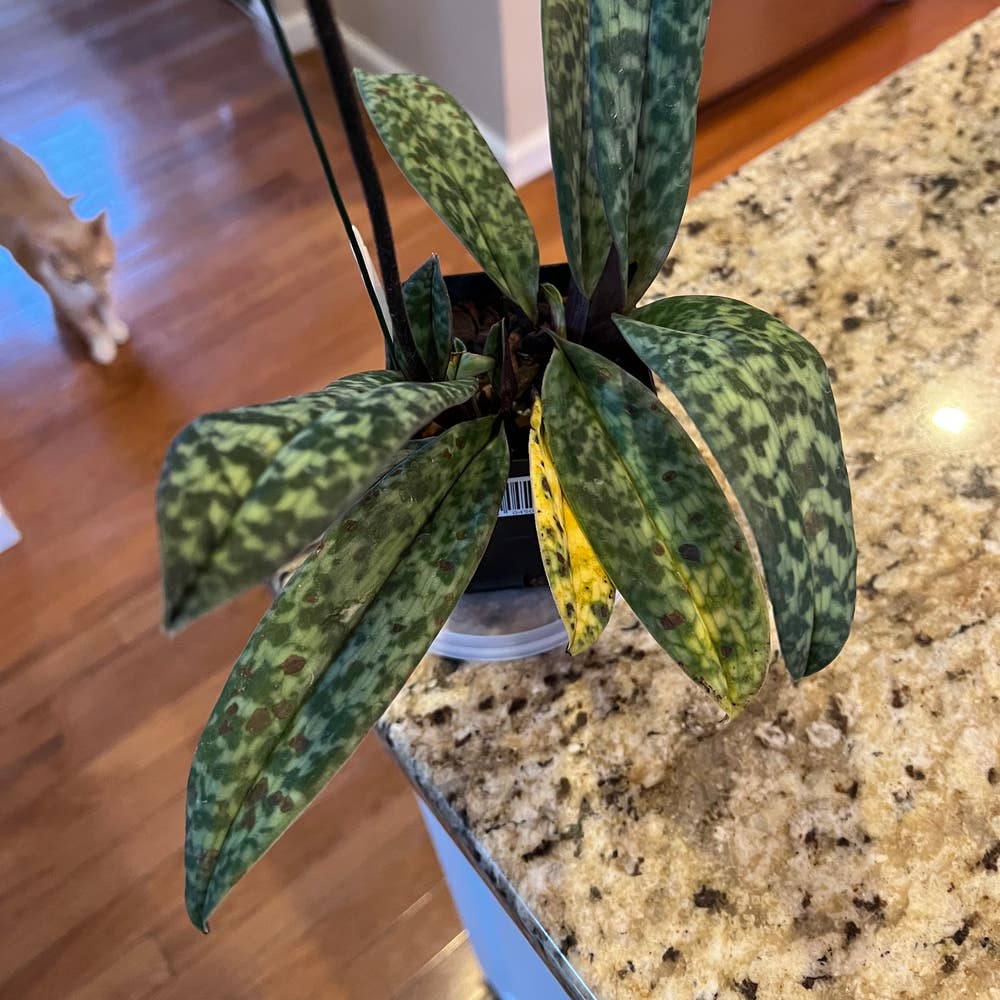
On average, these orchids reach a mature height of 6 to 18 inches, depending on the specific variety. Their spread usually varies between 12 to 24 inches, influenced by species and growing conditions.
Notable Varieties
Some varieties are known for their larger dimensions, such as the Paphiopedilum rothschildianum, which can grow impressively tall. Conversely, dwarf varieties like Paphiopedilum micranthum offer compact beauty, typically staying on the smaller side.
Understanding these size characteristics helps you appreciate the diversity within the Paphiopedilum family. This knowledge also sets the stage for exploring the factors that influence their growth and size.
Factors Influencing Size
🌤️ Environmental Conditions
Light
Bright, indirect light is crucial for the healthy growth of Paphiopedilum orchids. Insufficient light can stunt growth, resulting in smaller plants that may not reach their full potential.
Humidity
For optimal growth, maintain humidity levels between 50% and 70%. Low humidity can lead to reduced plant size and hinder flower development, making it essential to monitor your environment.
Temperature
Paphiopedilum thrives in a temperature range of 65°F to 80°F (18°C to 27°C). Extreme temperatures can slow growth and lead to size reduction, so keeping them in a stable environment is key.
🪴 Potting and Soil Type Effects on Size
Choosing the right pot size can significantly influence growth. Larger pots allow for more root expansion, which can encourage larger plants.
The type of soil also matters. Using well-draining, orchid-specific mixes promotes healthy root systems, essential for achieving mature dimensions.
🌱 Nutrient Availability
Balanced fertilization is vital for reaching the desired size of your Paphiopedilum. Nutrient deficiencies can result in smaller plants and slower growth rates, so regular feeding is important for optimal health.
By understanding these factors, you can create the ideal conditions for your orchids to thrive and reach their full size potential. Next, we’ll explore the variability in size among different Paphiopedilum varieties.
Size Variability
Differences Between Varieties 🌱
Paphiopedilum orchids come in a fascinating range of sizes, primarily categorized into dwarf and giant varieties.
Dwarf varieties, such as Paphiopedilum micranthum, typically reach heights of just 4 to 8 inches, making them perfect for compact spaces.
On the other hand, giant varieties like Paphiopedilum rothschildianum can soar up to 24 inches tall, showcasing impressive blooms that command attention.
Common Cultivars and Their Size Characteristics 📏
When it comes to popular cultivars, size can vary significantly. For instance, Paphiopedilum Maudiae usually grows between 6 to 12 inches, while Paphiopedilum insigne can reach up to 18 inches.
Growing conditions also play a crucial role in size variability. Factors like light, humidity, and potting can either enhance or limit the growth potential of these stunning orchids.
Understanding these differences can help you choose the right variety for your space and care capabilities.
As you explore the world of Paphiopedilum, keep in mind how these size characteristics can influence your gardening experience.
Next, let’s delve into how you can control the size of your orchids through effective care techniques.
Controlling Size
✂️ Pruning Techniques for Size Management
Pruning is essential for maintaining the desired dimensions of your Paphiopedilum. It not only encourages healthy growth but also enhances the plant's overall appearance.
To effectively manage size, focus on cutting back spent blooms and old leaves. This practice helps redirect energy to new growth, ensuring your plant remains vibrant and well-shaped.
🪴 Pot Size and Its Influence on Growth
Choosing the right pot size is crucial for your plant's growth. Larger pots can promote larger plants by providing ample space for root expansion.
Conversely, pot-bound conditions can severely restrict growth and size. If your plant is cramped, consider repotting to give it the room it needs to thrive.
📏 Tips for Maintaining Desired Dimensions
Regular monitoring of growth is key to keeping your Paphiopedilum at the right size. Adjust your care practices based on what you observe, ensuring your plant gets the attention it needs.
Additionally, consider using growth regulators if you're looking to control size in specific situations. These can help manage growth without compromising the health of your plant.
As you implement these techniques, you'll find that controlling the size of your Paphiopedilum can be both rewarding and manageable. Next, let’s explore the natural growth habits of these fascinating orchids.
Growth Habits
🌱 Natural Growth Patterns
Paphiopedilum orchids exhibit slow to moderate growth rates, making patience a virtue for their caretakers. Understanding their typical growth cycle is crucial, as seasonal variations can significantly impact their size.
🌦️ Seasonal Growth Variations
As the seasons change, so do the growth patterns of these orchids. During warmer months, expect noticeable growth spurts, while cooler months often lead to a period of dormancy, stabilizing their size.
This cyclical nature highlights the importance of adapting care routines to align with their natural rhythms. By doing so, you can ensure your Paphiopedilum thrives and reaches its full potential.
Next, we’ll explore the various factors that influence the size of these captivating plants.
⚠️ Safety First
This content is for general information and may contain errors, omissions, or outdated details. It is not medical, veterinary advice, or an endorsement of therapeutic claims.
Always consult a qualified healthcare professional before using any plant as food, medicine, or supplement.
Never eat any plant (or feed one to pets) without confirming its identity with at least two trusted sources.
If you suspect poisoning, call Poison Control (800) 222-1222, the Pet Poison Helpline (800) 213-6680, or your local emergency service immediately.
Spotted an error? Please report it here.
Unlock the true size potential of your Paphiopedilum orchids 🌸 with Greg's tailored care tips and reminders, ensuring they flourish beautifully in your home!