💡 3 Tips for Light Requirements for Your Paphiopedilum
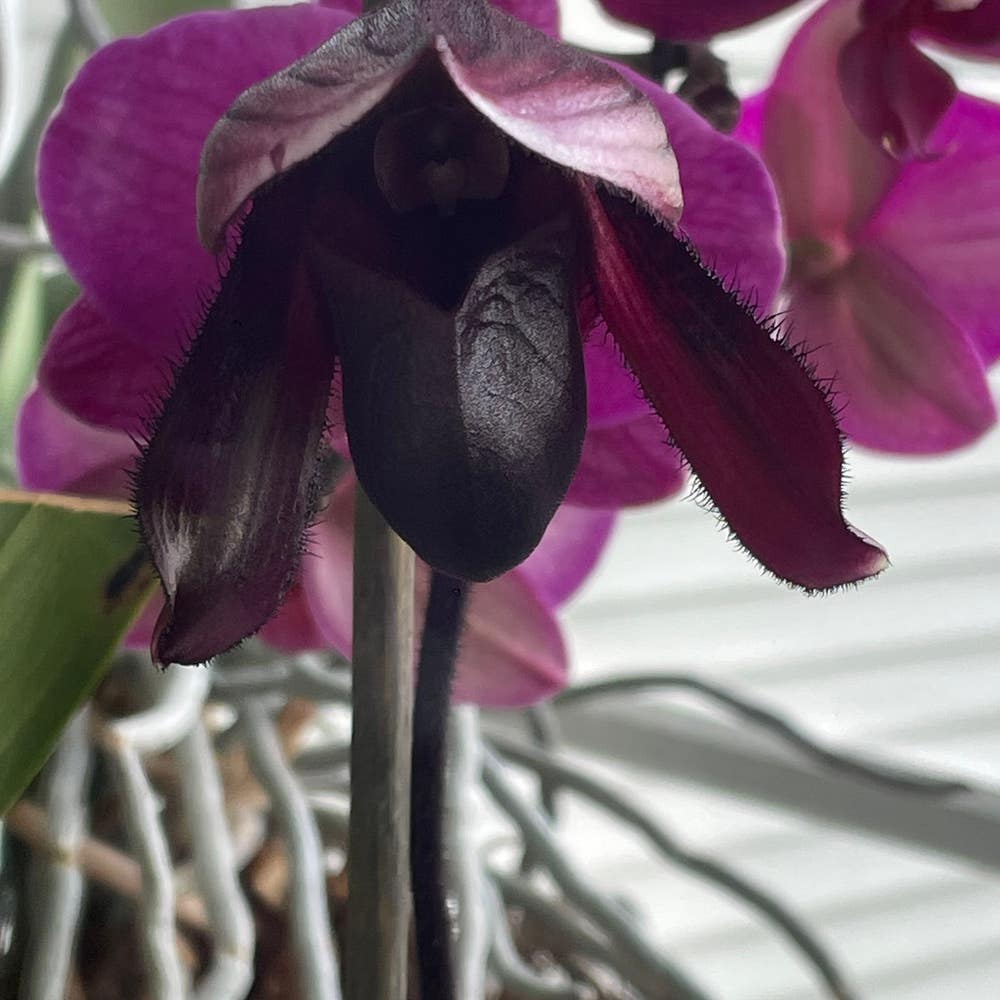
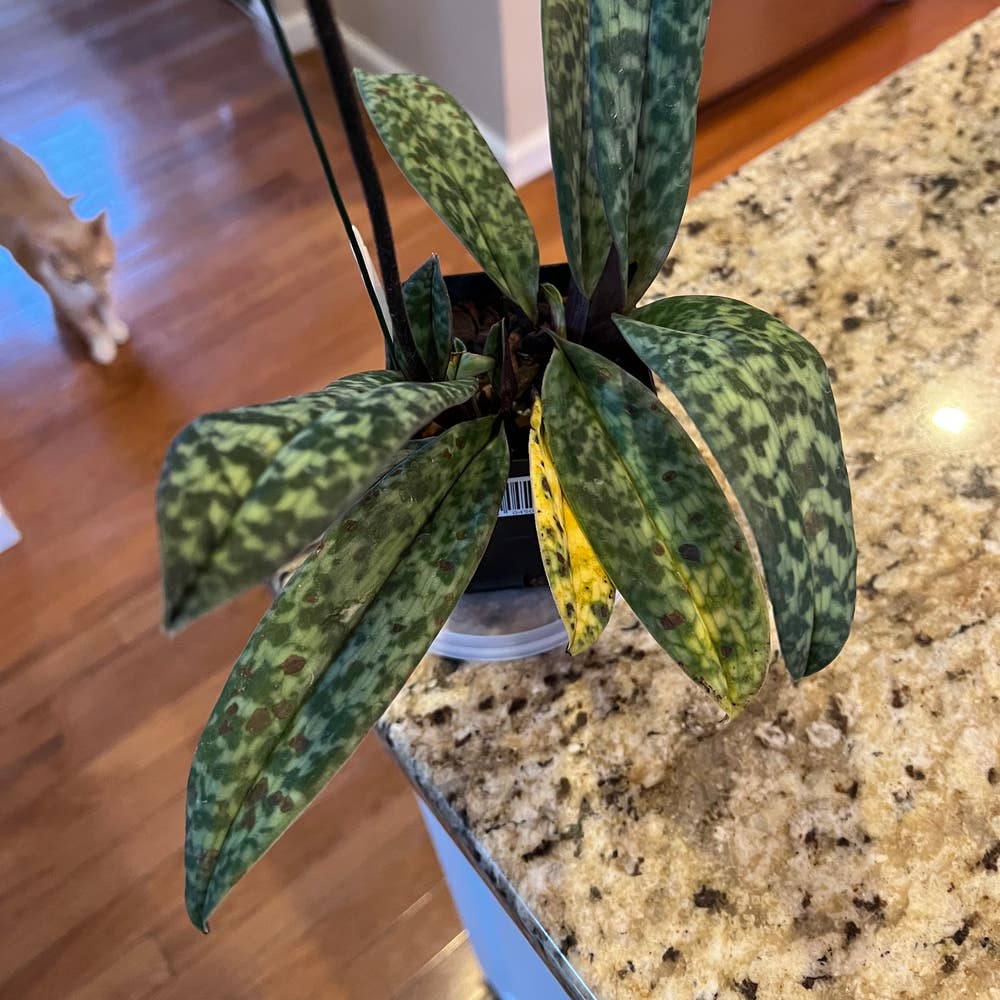
Paphiopedilum hirsutissimum
By the Greg Editorial Team
Nov 09, 2024•4 min read
This article was created with the help of AI so we can cover more plants for you. May contain errors. See one? Report it here.
Master Paphiopedilum light needs 🌼 for vibrant blooms and thriving growth in your indoor garden!
- 🌞 Paphiopedilum orchids thrive in low to moderate light, perfect for indoor settings.
- 💡 12-14 hours of daily light exposure boosts growth and blooming potential.
- 🌿 Position near east or west windows for optimal indirect sunlight.
Importance of Light for Growth
🌱 Role of Light in Photosynthesis
Light is the lifeblood of orchids, playing a crucial role in photosynthesis. This process allows plants to convert light energy into chemical energy, fueling their growth and development.
Without adequate light, your Paphiopedilum may struggle, leading to weak growth and poor health. Proper light exposure not only supports photosynthesis but also enhances the plant's overall vigor.
💡 Light Preferences
Paphiopedilum orchids thrive in low to moderate light conditions. Unlike some orchid species that crave bright, direct sunlight, these beauties prefer a gentler touch.
This preference makes them ideal for indoor environments where light can be filtered. Understanding their light needs is key to keeping your Paphiopedilum healthy and blooming beautifully.
Ideal Indoor Light Conditions
Best Indoor Lighting Solutions 🌞
When it comes to lighting your Paphiopedilum, the choice between natural sunlight and artificial lighting is crucial. Natural sunlight is ideal, but if that's not an option, artificial lighting can effectively support your orchid's growth.
For optimal results, place your Paphiopedilum near east or west-facing windows. This positioning allows for the perfect amount of indirect sunlight, which is essential for their health.
Using Grow Lights 💡
Grow lights can be a game-changer for indoor orchid care. They supplement natural light, ensuring your Paphiopedilum receives the brightness it craves, especially during darker months.
There are several types of grow lights to consider: LED, fluorescent, and HID lights. Each has its benefits, but LEDs are particularly popular due to their energy efficiency and low heat output.
For the best results, aim for 12-14 hours of light exposure daily. This duration mimics natural conditions and encourages healthy growth and flowering.
By understanding and implementing these indoor light conditions, you can create a thriving environment for your Paphiopedilum. Next, let’s explore how outdoor light exposure can further enhance your orchid's growth.
Optimal Outdoor Light Exposure
🌳 Outdoor Growing Conditions
When placing your Paphiopedilum outdoors, aim for shaded areas or spots under trees. This helps mimic their natural habitat, providing the low to moderate light they thrive in.
Monitoring light exposure throughout the day is crucial. Keep an eye on how the sunlight shifts, ensuring your orchids receive the right amount without being overwhelmed.
🌦️ Seasonal Considerations
As the seasons change, so should your Paphiopedilum's outdoor placement. Adjust their location based on variations in sunlight intensity to maintain optimal light conditions.
During summer, protect your orchids from harsh midday sun. A little shade can go a long way in keeping them healthy and vibrant, ensuring they flourish in your garden.
Light and Flowering
🌼 How Light Affects Flowering
Light plays a crucial role in the flowering cycles of Paphiopedilum orchids. These beautiful plants rely on specific light conditions to trigger their blooming process, making light exposure a key factor in their overall health and vitality.
The relationship between light and flowering is primarily tied to the plant's ability to photosynthesize. Adequate light levels stimulate the production of energy, which is essential for flower development. Without sufficient light, your Paphiopedilum may struggle to bloom or produce fewer flowers.
🌞 Specific Light Conditions Needed to Encourage Blooming
For optimal flowering, Paphiopedilum orchids thrive in low to moderate light conditions. Ideally, they should receive around 1,000 to 2,000 foot-candles of light. This can be achieved through indirect sunlight or filtered light, which mimics their natural habitat.
It's also important to maintain a consistent light schedule. Providing 12 to 14 hours of light daily can significantly enhance blooming potential. If you're using artificial lighting, ensure it mimics the spectrum of natural sunlight to support healthy growth and flowering.
By understanding the light requirements of your Paphiopedilum, you can create an environment that encourages vibrant blooms. This knowledge not only enhances your gardening experience but also deepens your connection with these stunning orchids.
As you explore the light needs of your Paphiopedilum, consider how outdoor conditions can also impact their growth. Let's delve into the optimal outdoor light exposure for these unique plants.
⚠️ Safety First
This content is for general information and may contain errors, omissions, or outdated details. It is not medical, veterinary advice, or an endorsement of therapeutic claims.
Always consult a qualified healthcare professional before using any plant as food, medicine, or supplement.
Never eat any plant (or feed one to pets) without confirming its identity with at least two trusted sources.
If you suspect poisoning, call Poison Control (800) 222-1222, the Pet Poison Helpline (800) 213-6680, or your local emergency service immediately.
Spotted an error? Please report it here.
Maximize your Paphiopedilum's blooming potential 🌼 by using Greg's tailored light reminders to create the perfect environment for your orchids!