🌸 Choosing the Best Pot for Your Paphiopedilum
Paphiopedilum hirsutissimum
By the Greg Editorial Team
Nov 09, 2024•6 min read
This article was created with the help of AI so we can cover more plants for you. May contain errors. See one? Report it here.
Unlock vibrant growth for your Paphiopedilum 🌱 by mastering pot selection and care for stunning blooms! 🌸
- 🌱 Choose 2-4 inch pots for seedlings and 6-8 inches for mature Paphiopedilum.
- 🚫 Signs of needing a larger pot include roots through drainage holes and stunted growth.
- 🌿 Use well-draining orchid mix and pots with 3-4 drainage holes to prevent root rot.
Pot Sizes for Different Growth Stages
Recommended Sizes for Seedlings 🌱
When starting your Paphiopedilum from seed, choose a container that is 2-4 inches in diameter. Small pots are crucial for young plants as they encourage robust root development and help prevent the dreaded overwatering.
Ideal Sizes for Mature Plants 🌳
For mature Paphiopedilum, a container size of 6-8 inches in diameter is generally recommended. However, keep in mind that larger species or hybrids may require even bigger pots to accommodate their growth.
Signs Indicating a Need for a Larger Pot 📏
Watch for key indicators that your plant needs a larger pot. If you see roots growing through the drainage holes, or if water seems to linger in the pot longer than usual, it’s time to consider repotting.
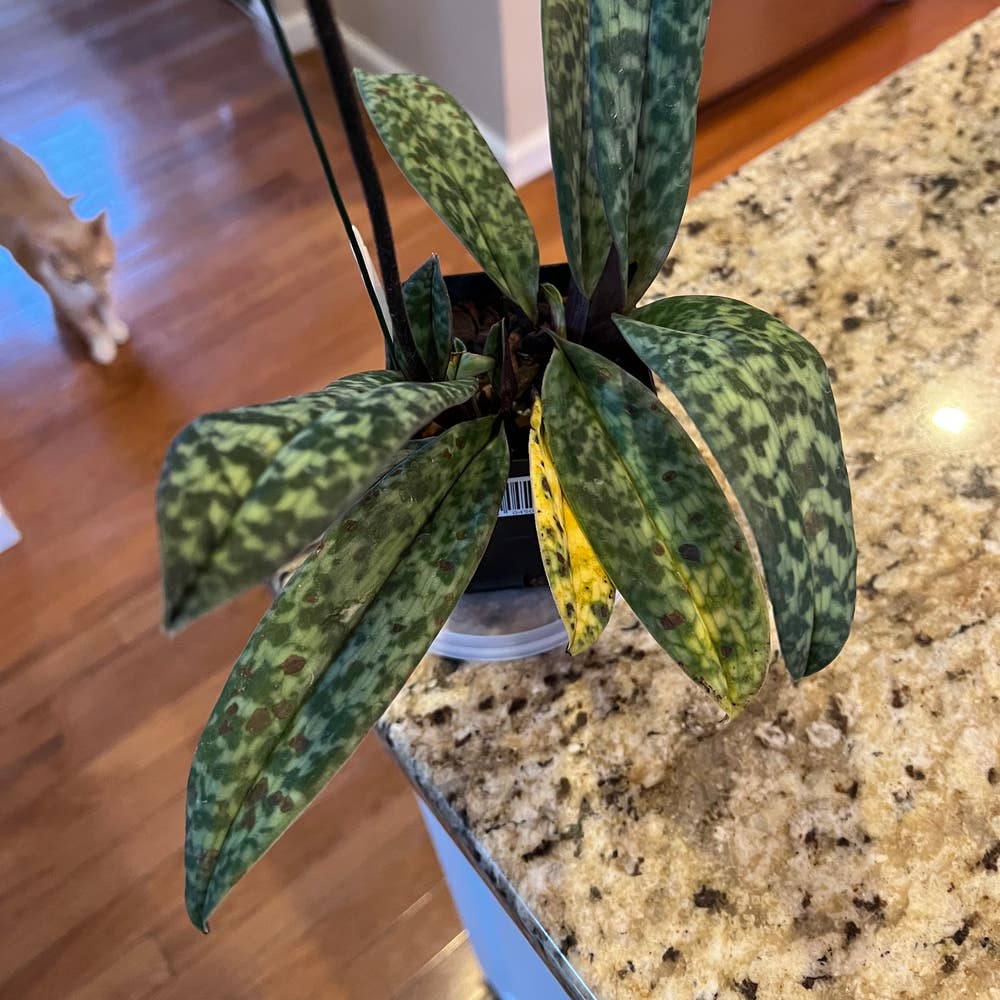
Additionally, stunted growth or yellowing leaves can signal root crowding, indicating your Paphiopedilum is ready for a new home.
Transitioning to the next section, understanding pot materials is just as vital as selecting the right size for your plant's health and growth.
Pot Materials
Benefits of Clay Pots 🌱
Clay pots are a popular choice for Paphiopedilum orchids due to their excellent breathability. This feature helps regulate moisture levels, creating a healthier environment for root development.
However, clay pots come with some drawbacks. They are heavier than plastic options and tend to dry out faster, which may require more frequent watering.
Advantages of Plastic Pots 💧
Plastic pots offer a lightweight and easy-to-handle alternative. Their design allows for easier movement and placement, making them ideal for those who frequently rearrange their plants.
Additionally, plastic pots retain moisture longer than clay, which can be beneficial in certain growth conditions. This moisture retention can help prevent the roots from drying out too quickly.
Comparison of Other Materials 🏺
Ceramic Pots
Ceramic pots are known for their aesthetic appeal, adding a touch of elegance to your plant display. However, they can be quite heavy and may retain too much moisture, potentially leading to root rot if not monitored closely.
Wooden Pots
Wooden pots provide a natural look that many plant enthusiasts appreciate. They offer good drainage, which is essential for healthy root systems, but they may decay over time, requiring more frequent replacement.
Choosing the right pot material is crucial for the health of your Paphiopedilum. Each option has its unique benefits and challenges, so consider your specific needs and preferences when selecting the perfect pot for your orchid.
Next, we’ll explore the importance of drainage considerations to ensure your plant thrives.
Drainage Considerations
Importance of Drainage Holes 🌊
Drainage holes are crucial for the health of your Paphiopedilum. They prevent water accumulation, which can lead to root rot, a common issue for orchids.
For optimal performance, it's recommended to have at least 3-4 drainage holes in your pot. This ensures excess water can escape, keeping the roots healthy and happy.
Ensuring Proper Drainage 🚰
To promote proper drainage, use a well-draining potting mix specifically designed for orchids. This type of mix allows water to flow through while retaining just enough moisture for the plant's needs.
Additionally, elevating pots slightly can enhance airflow beneath them. This simple step can make a significant difference in preventing waterlogged conditions.
Common Drainage Issues and Solutions ⚠️
Keep an eye out for signs of poor drainage, such as water pooling at the surface or symptoms of root rot. These indicators suggest that your pot may not be performing as it should.
If you notice these issues, consider repotting into a container with better drainage. Alternatively, you can amend your potting mix to improve its drainage capabilities, ensuring your Paphiopedilum thrives.
With proper drainage, your orchid will flourish, setting the stage for the next steps in its care journey.
Repotting Paphiopedilum
Repotting your Paphiopedilum is essential for its health and growth. This process typically occurs every 1-2 years or whenever you notice signs of pot crowding.
🌱 When to Repot
The best time to repot is early spring, just before new growth begins. This timing helps the plant adapt and thrive in its new environment.
🛠️ Step-by-Step Guide to Repotting
- Prepare the New Pot: Choose a pot with drainage holes and fill it with a suitable potting mix.
- Remove the Orchid: Gently take the orchid out of its current pot, being careful not to damage the roots.
- Trim Roots: Use sterilized scissors to cut away any dead or rotting roots.
- Position the Orchid: Place the orchid in the new pot, ensuring the crown is level with the pot rim.
- Fill with Potting Mix: Add fresh potting mix around the orchid, lightly pressing it to eliminate air pockets.
- Water Thoroughly: After repotting, give the plant a good drink and place it in a suitable location for recovery.
🪴 Choosing the Right Pot During Repotting
When selecting a new pot, consider the growth stage and size of your plant. The pot should allow for future growth without being excessively large, which can lead to overwatering.
Repotting can seem daunting, but with the right approach, it becomes a straightforward task. Next, let’s explore common mistakes to avoid during pot selection to ensure your Paphiopedilum thrives.
Common Mistakes and Tips
🏺 Mistakes in Pot Selection
One of the most common mistakes when choosing pots for your Paphiopedilum is opting for containers without adequate drainage holes. Without these holes, water can accumulate, leading to root rot and other issues.
Another frequent error is selecting pots that are too large for the plant. Oversized pots can retain excess moisture, which can drown the roots and stunt growth.
🌱 Tips for Maintaining Pot Health and Longevity
To keep your pots in top shape, regularly check for algae or mold buildup. Cleaning pots as needed will help maintain a healthy environment for your orchid.
It's also crucial to monitor moisture levels closely. Adjust your watering frequency based on the pot material and size to prevent overwatering or underwatering.
Lastly, always use a potting mix specifically formulated for orchids. This ensures your Paphiopedilum receives the right nutrients and drainage it needs to thrive.
By avoiding these common mistakes and following these tips, you can create a nurturing environment for your Paphiopedilum, setting the stage for vibrant growth and blooming. Next, let’s explore the importance of drainage considerations to further enhance your orchid care.
⚠️ Safety First
This content is for general information and may contain errors, omissions, or outdated details. It is not medical, veterinary advice, or an endorsement of therapeutic claims.
Always consult a qualified healthcare professional before using any plant as food, medicine, or supplement.
Never eat any plant (or feed one to pets) without confirming its identity with at least two trusted sources.
If you suspect poisoning, call Poison Control (800) 222-1222, the Pet Poison Helpline (800) 213-6680, or your local emergency service immediately.
Spotted an error? Please report it here.
Choose the perfect pot for your Paphiopedilum 🌱 and let Greg guide you with tailored reminders and care tips to ensure your orchid flourishes!