Ultimate Guide to What's Eating Your Paphiopedilum 🐛
Paphiopedilum hirsutissimum
By the Greg Editorial Team
Oct 25, 2024•6 min read
This article was created with the help of AI so we can cover more plants for you. May contain errors. See one? Report it here.
Safeguard your beautiful Paphiopedilum orchids 🌺 while embracing nature's helpers with these essential tips!
- 🌸 Paphiopedilum orchids attract herbivores like deer, rabbits, and squirrels due to their beauty.
- 🚫 Effective deterrents include repellents, fencing, and companion planting to protect your orchids.
- 🐾 Regular monitoring for signs of damage ensures early intervention and plant health.
Most Appealing Parts to Animals
Appearance 🌺
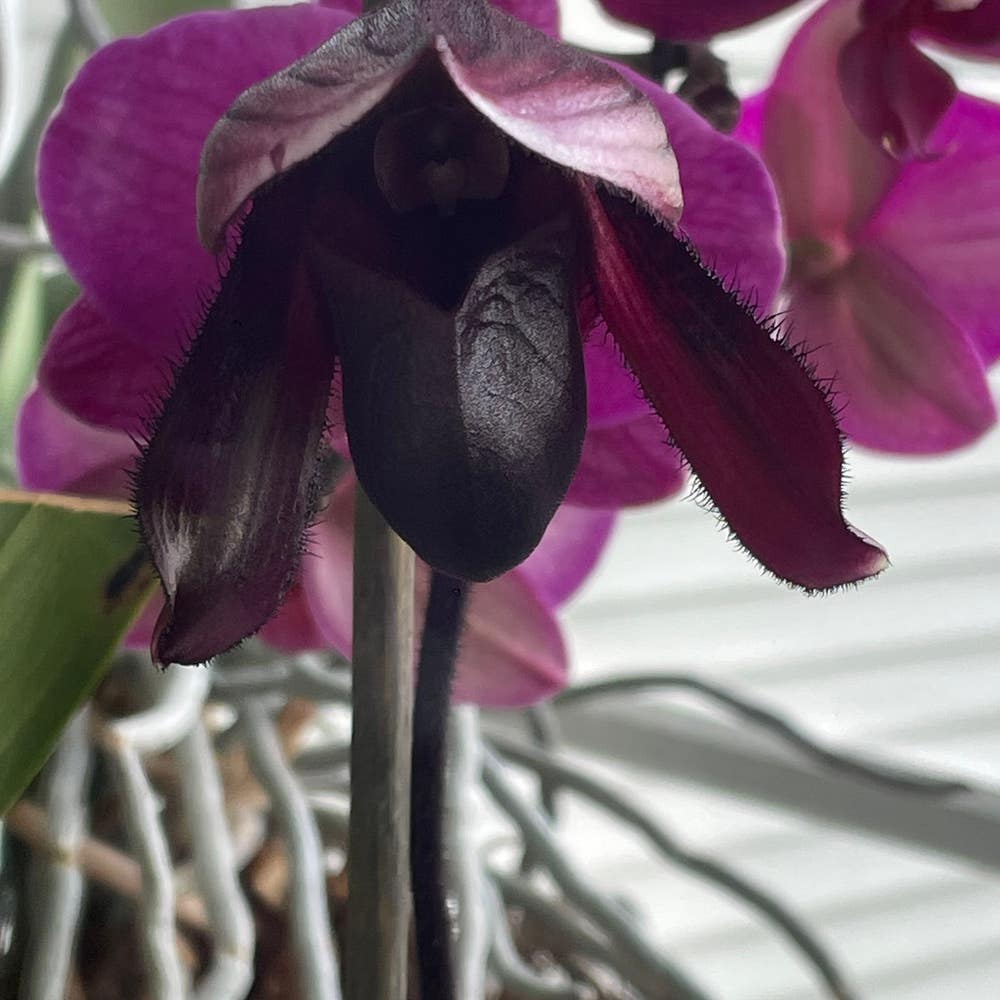
Paphiopedilum orchids are truly eye-catching. Their unique pouch-like flowers boast vibrant colors that can easily attract curious animals.
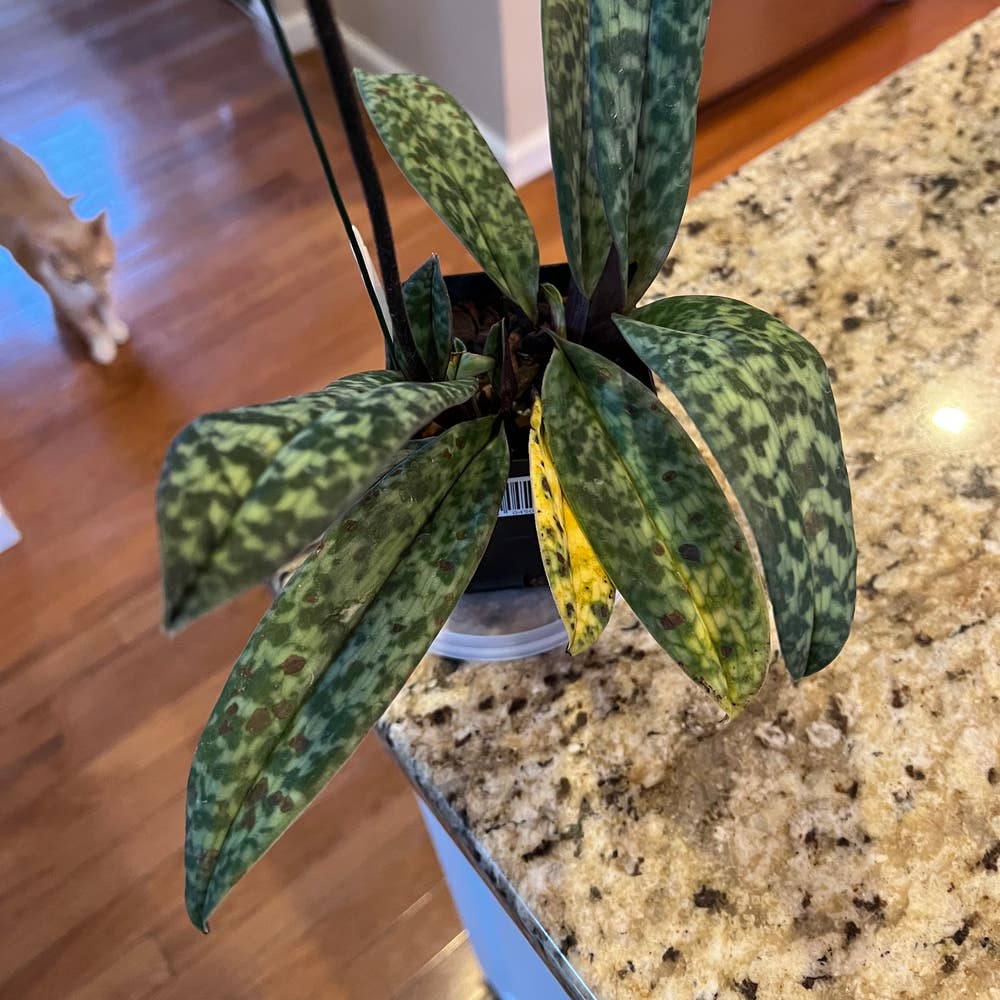
The broad, leathery leaves add to their lush appearance, making these plants irresistible. Common parts that draw in herbivores include the stunning flowers and tender young shoots, which are often the first targets for hungry critters.
Understanding what makes these plants appealing can help you protect them better. By recognizing their attractive features, you can take proactive steps to deter potential herbivores.
Next, let’s explore the common herbivores that might be munching on your prized Paphiopedilum.
Common Herbivores Affecting Paphiopedilum
🦌 Deer
Signs of Presence and Damage
Deer are often the first culprits when it comes to damage. Look for hoof prints in the soil and notice if leaves and flowers have been stripped from the plant.
Beneficial vs. Harmful Interaction
While they may seem harmless, deer can be quite destructive. Without proper management, they can decimate Paphiopedilum populations.
Deterrent Methods
To keep deer at bay, consider using commercial deer repellents. You can also plant deer-resistant species nearby or use scent deterrents like human hair or soap.
🐇 Rabbits
Signs of Presence and Damage
Rabbits leave small, rounded footprints that are easy to spot. They tend to cleanly cut stems and leaves, leaving your plants looking ragged.
Beneficial vs. Harmful Interaction
Rabbits are generally harmful to your plants. Their nibbling can lead to significant damage, especially to young shoots.
Deterrent Methods
Bitter-tasting sprays can deter rabbits effectively. Additionally, fencing that is 2-3 feet high and planting rabbit-repellent herbs can provide a natural barrier.
🐿️ Squirrels
Signs of Presence and Damage
Squirrels often leave behind chewed leaves and flowers, along with scattered debris. You might also find dried twigs and leaves indicating nesting nearby.
Beneficial vs. Harmful Interaction
These furry critters are generally harmful. Their antics can cause significant damage to your flowers.
Deterrent Methods
Capsaicin-based sprays can be effective against squirrels. Installing squirrel-proof feeders and using reflective objects can also help keep them away.
🐦 Birds
Signs of Presence and Damage
Look for peck marks on flowers and leaves as signs of bird activity. Nesting nearby or droppings in the vicinity can also indicate their presence.
Beneficial vs. Harmful Interaction
Birds present a mixed bag. While some may help pollinate your plants, others can cause damage.
Deterrent Methods
Non-toxic bird repellents can deter unwanted visitors. You can also use netting over plants and scare devices like reflective tape to keep them at bay.
🐭 Rodents (Mice, Voles)
Signs of Presence and Damage
Rodents leave small holes in the soil and gnawed leaves. Droppings near the base of the plant are another telltale sign.
Beneficial vs. Harmful Interaction
Rodents are generally harmful to Paphiopedilum. They can lead to root damage and overall plant decline.
Deterrent Methods
Rodent bait stations can help manage these pests. Alternatively, traps and planting deterrent plants like mint can provide organic solutions.
🦡 Groundhogs/Woodchucks
Signs of Presence and Damage
Look for large burrows near your garden as a sign of groundhogs. Chewed stems and leaves, often at ground level, indicate their feeding habits.
Beneficial vs. Harmful Interaction
Groundhogs are generally harmful. They can cause extensive damage to multiple plants in your garden.
Deterrent Methods
Commercial repellents specifically designed for groundhogs can be effective. For a more organic approach, consider fencing that is 3-4 feet high and using motion-activated sprinklers.
Understanding these common herbivores and their impact on your Paphiopedilum is crucial for maintaining a healthy garden. With the right deterrent methods, you can protect your plants and enjoy their beauty for years to come.
Beneficial Animals and Ecosystem Role
Positive Interactions 🐝
While many animals pose a threat to your Paphiopedilum, some play a vital role in its ecosystem. Pollinators like bees and butterflies are essential for the reproduction of these unique orchids.
These creatures not only help in the pollination process but also enhance the overall health of your garden. Birds and beneficial insects contribute to natural pest control, keeping harmful pests at bay and maintaining a balanced ecosystem.
Understanding these positive interactions can shift your perspective on wildlife in your garden. Instead of viewing all animals as threats, recognize the beneficial roles they play in supporting your plants' growth and vitality.
Embracing Nature's Helpers 🌼
Encouraging these beneficial animals can lead to a thriving garden. Planting flowers that attract pollinators or creating habitats for beneficial insects can enhance your Paphiopedilum's environment.
By fostering a diverse ecosystem, you not only protect your plants but also create a vibrant space teeming with life. This balance allows your garden to flourish, making it a sanctuary for both plants and the wildlife that supports them.
As you consider the interactions between your Paphiopedilum and the surrounding wildlife, remember that not all visitors are foes. Some are allies in your gardening journey, helping to create a lush, thriving environment.
Next, let’s explore general strategies for protecting your Paphiopedilum from herbivore damage while still appreciating the beneficial animals around you.
General Strategies for Protection
🛡️ Preventive Measures for Herbivore Damage
To protect your Paphiopedilum, consider planting companion plants that naturally deter herbivores. These plants can create a barrier, making your orchids less appealing to hungry critters.
Using physical barriers like fencing and netting is another effective strategy. A well-placed fence can keep larger animals at bay, while netting protects delicate flowers from birds and smaller pests.
🐾 Reactive Solutions for Managing Animal Interactions
Early detection is key. Regularly monitor your plants for signs of damage, such as chewed leaves or missing flowers. Identifying these issues promptly allows you to take action before significant harm occurs.
Once you spot a problem, implement immediate deterrent methods tailored to the specific herbivore. Whether it’s a bitter spray for rabbits or reflective tape for birds, quick responses can save your plants.
📅 Seasonal Variations in Animal Attraction
Understanding the peak seasons for herbivore activity can significantly enhance your protective measures. Many animals have specific times of year when they are most active, so being aware of these patterns can help you prepare.
Adjust your care and protection strategies accordingly. For instance, if you know deer are more prevalent in the fall, ramp up your deterrent efforts during that time to safeguard your precious orchids.
By combining preventive and reactive strategies, you can create a robust defense for your Paphiopedilum, ensuring they thrive despite the challenges posed by herbivores. Next, let’s explore the toxicity and safety aspects related to these beautiful plants.
Toxicity and Safety
🐾 Toxic Effects on Animals
Paphiopedilum orchids possess mild toxicity that can deter some herbivores from munching on them. This natural defense mechanism helps protect these beautiful plants from potential damage.
⚠️ Symptoms to Watch For
If animals do consume parts of the Paphiopedilum, they may exhibit specific symptoms. Look out for signs like drooling, vomiting, or lethargy, which indicate that the plant has affected them.
Understanding these toxic effects can be a double-edged sword. While it may keep some herbivores at bay, it's essential to monitor your plants and the surrounding wildlife closely.
🏁 Conclusion
Incorporating Paphiopedilum into your garden can be a delightful experience, but awareness of their toxicity is crucial. This knowledge not only helps protect your plants but also ensures the well-being of local wildlife.
Next, we’ll explore the beneficial animals that play a vital role in the ecosystem surrounding your Paphiopedilum.
⚠️ Safety First
This content is for general information and may contain errors, omissions, or outdated details. It is not medical, veterinary advice, or an endorsement of therapeutic claims.
Always consult a qualified healthcare professional before using any plant as food, medicine, or supplement.
Never eat any plant (or feed one to pets) without confirming its identity with at least two trusted sources.
If you suspect poisoning, call Poison Control (800) 222-1222, the Pet Poison Helpline (800) 213-6680, or your local emergency service immediately.
Spotted an error? Please report it here.
Keep your Paphiopedilum orchids thriving 🌺 by using Greg's personalized care tips and reminders to fend off pesky herbivores and ensure their beauty shines all season long!