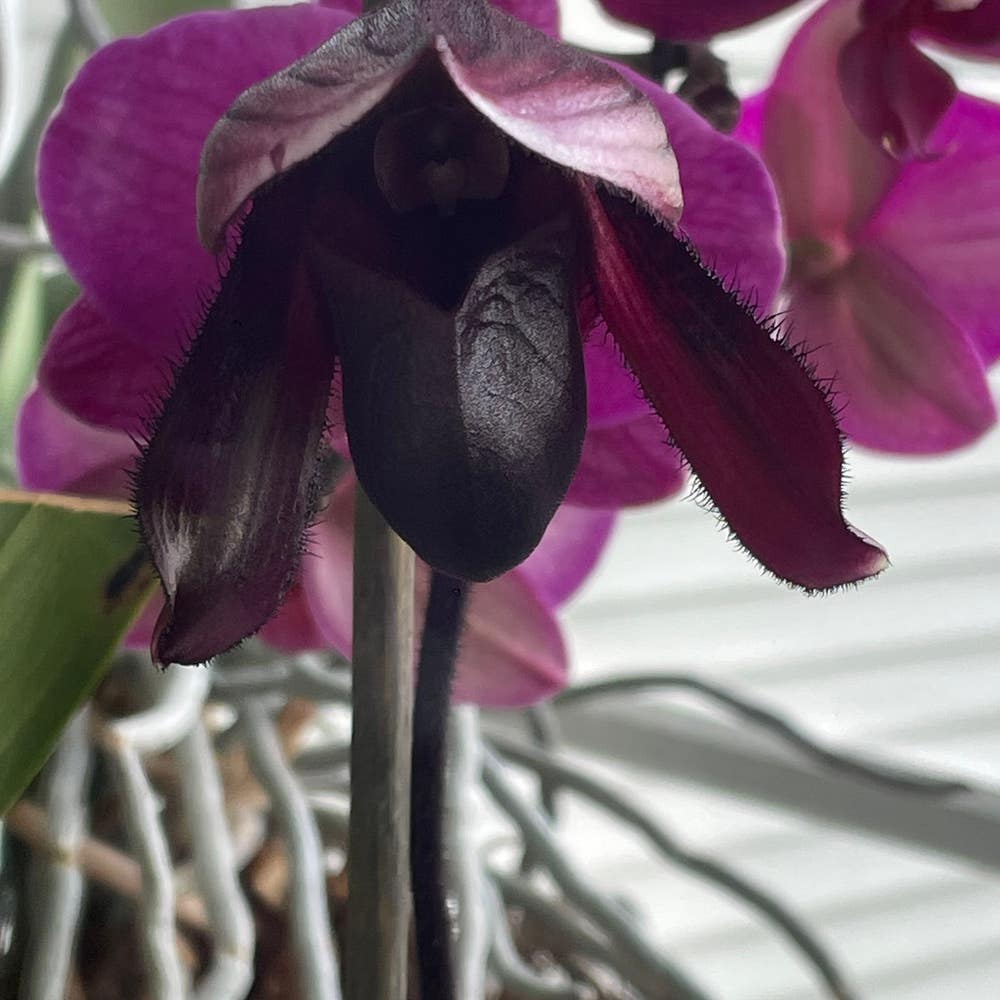
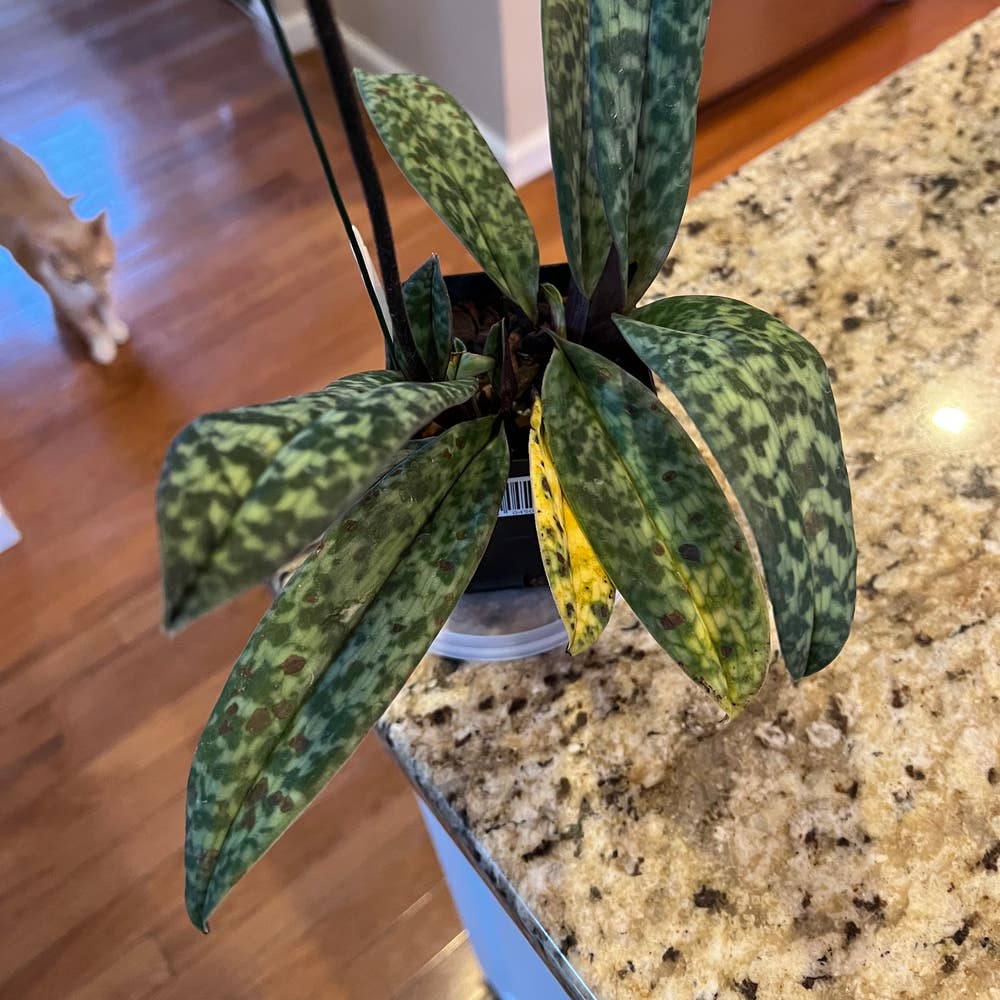
5 Do's and Don'ts of Growing Paphiopedilum 🌸
Paphiopedilum hirsutissimum
By the Greg Editorial Team
Nov 09, 2024•5 min read
This article was created with the help of AI so we can cover more plants for you. May contain errors. See one? Report it here.
Master the art of caring for Paphiopedilum orchids and watch your space bloom! 🌱
- 🌞 Bright, indirect light is essential; avoid direct sunlight to prevent leaf scorch.
- 🌡️ Maintain temperatures between 20°C to 28°C for optimal Paphiopedilum growth.
- 💧 Water when top inch is dry; use room temperature water to prevent rot.
Choosing a Location
Ideal Light Conditions 🌞
Paphiopedilum orchids thrive in bright, indirect light. Direct sunlight can scorch their delicate leaves, so it's essential to find a spot that offers filtered light.
If natural light is lacking, consider using grow lights. These can effectively supplement light needs, ensuring your orchids receive the brightness they crave.
Temperature and Humidity Requirements 🌡️
For optimal growth, maintain a temperature range of 20°C to 28°C (68°F to 82°F) during the day. Nights can be slightly cooler, which helps mimic their natural habitat.
Humidity is equally important; aim for levels between 50-70%. This moisture range supports healthy growth and vibrant blooms.
Indoor vs. Outdoor Growing Considerations 🏡
Indoor growing provides a controlled environment, making it easier to manage light and humidity. Using humidity trays or regular misting can help maintain the moisture levels your Paphiopedilum needs.
Outdoor growing is best suited for tropical or subtropical climates. However, be cautious of extreme weather conditions, as these can stress your plants and hinder their growth.
By carefully considering these factors, you can create the perfect environment for your Paphiopedilum orchids to flourish. Next, let’s dive into soil preparation and planting techniques to ensure your orchids have a solid foundation for growth.
Soil Preparation and Planting
🌱 Best Soil Mix for Paphiopedilum
To thrive, Paphiopedilum orchids need a well-draining potting mix. A combination of bark, perlite, and sphagnum moss works wonders, ensuring that moisture is retained without suffocating the roots.
Proper drainage is crucial for these orchids. It prevents root rot, a common issue that can quickly turn your beautiful plant into a wilted mess.
🌼 Potting Techniques for Orchids
When potting your Paphiopedilum, pay attention to the depth. The crown of the plant should sit level with the pot rim to promote healthy growth.
After placing the plant in the pot, gently press the potting mix around the roots. This helps eliminate air pockets that can hinder root development.
🪴 Container Selection and Drainage
Choosing the right container is essential for your orchid's health. Opt for pots with drainage holes to prevent water from pooling at the bottom.
Consider using clear pots, which allow you to monitor root health easily. For added drainage, place gravel or clay balls at the bottom of the pot. This simple step can make a significant difference in your plant's well-being.
With the right soil mix, potting techniques, and container selection, your Paphiopedilum will be set up for success. Next, let’s explore how to effectively water and fertilize your orchids for optimal growth.
Watering and Fertilizing
💧 Watering Frequency and Techniques
Watering your Paphiopedilum is crucial for its health. Aim to water when the top inch of the potting media feels dry, which usually translates to every 7-10 days.
Using room temperature water is ideal. Be careful not to let water accumulate in the crown of the plant, as this can lead to rot.
🌱 Best Fertilizers for Paphiopedilum
Fertilizing your orchid properly can make all the difference in its growth. A balanced orchid fertilizer should be applied every 2-4 weeks during the growing season.
Opt for water-soluble fertilizers with a balanced NPK ratio, such as 30-10-10. This ensures your plant receives the nutrients it needs to thrive.
🚿 Signs of Overwatering and Underwatering
Recognizing the signs of overwatering is essential for maintaining a healthy plant. Look for yellowing leaves, mushy roots, and even mold growth as indicators of too much water.
On the flip side, underwatering can also harm your orchid. Symptoms include wrinkled leaves, dry roots, and stunted growth, signaling that your plant needs more moisture.
Understanding these watering and fertilizing principles will help you cultivate a thriving Paphiopedilum. Next, let’s explore the pruning and ongoing care needed to keep your orchid flourishing.
Pruning and Ongoing Care
✂️ When and How to Prune Paphiopedilum
Pruning your Paphiopedilum is essential for encouraging new growth. After the plant blooms, remove the spent flower spikes to promote fresh development.
Use clean, sharp scissors for pruning. This ensures clean cuts that minimize damage to healthy leaves, keeping your plant thriving.
📅 Regular Care Routine for Healthy Growth
Establishing a regular care routine is key to maintaining a healthy Paphiopedilum. Daily checks should include monitoring humidity levels and ensuring adequate light exposure.
On a weekly basis, focus on watering, fertilizing, and inspecting your plant for pests. This consistent attention helps catch any issues early, ensuring your orchid remains vibrant.
🌱 Repotting Frequency and Techniques
Repotting is crucial for the long-term health of your Paphiopedilum. Aim to repot every 1-2 years or whenever the potting media begins to break down.
When repotting, gently remove the plant from its pot and clean the roots. Replace the old media with fresh potting mix to give your orchid a renewed environment for growth.
By following these pruning and care guidelines, your Paphiopedilum will flourish, setting the stage for the next topic on common challenges and solutions.
Common Challenges and Solutions
🐛 Pests and Diseases Affecting Paphiopedilum
Paphiopedilum orchids can attract a few pesky pests. Common culprits include mealybugs, aphids, and spider mites, which often leave behind sticky residue and webbing.
To prevent these issues, ensure good air circulation around your plants. Avoid overhead watering, as damp foliage can create a breeding ground for diseases.
🌡️ Environmental Stress Factors
Temperature fluctuations can be detrimental to your orchids. Protect them from drafts and sudden changes in temperature to keep them thriving.
Humidity is another critical factor. If levels drop, consider using humidifiers or pebble trays to maintain the moisture your Paphiopedilum needs.
🧐 Troubleshooting Growth Issues
If you notice yellowing leaves, it’s time to investigate. This could indicate overwatering or nutrient deficiencies, both of which can hinder your plant's health.
Poor blooming can also be a concern. Ensure your orchid receives adequate light and proper fertilization to encourage those beautiful flowers to flourish.
By addressing these common challenges, you can enjoy a thriving Paphiopedilum that brings beauty to your space. Next, let’s explore the essential pruning and ongoing care techniques to keep your orchid in top shape.
⚠️ Safety First
This content is for general information and may contain errors, omissions, or outdated details. It is not medical, veterinary advice, or an endorsement of therapeutic claims.
Always consult a qualified healthcare professional before using any plant as food, medicine, or supplement.
Never eat any plant (or feed one to pets) without confirming its identity with at least two trusted sources.
If you suspect poisoning, call Poison Control (800) 222-1222, the Pet Poison Helpline (800) 213-6680, or your local emergency service immediately.
Spotted an error? Please report it here.
Grow your Paphiopedilum orchids flourishingly 🌺 with Greg's tailored care reminders and expert tips that ensure your plants thrive in their perfect environment!