🌸 4 Tips for Blooming Your Paphiopedilum
Paphiopedilum hirsutissimum
By the Greg Editorial Team
Nov 09, 2024•6 min read
This article was created with the help of AI so we can cover more plants for you. May contain errors. See one? Report it here.
Discover how to achieve stunning Paphiopedilum blooms 🌸 with expert care tips for thriving orchids at home!
- 🌸 Paphiopedilum orchids bloom annually, with some varieties producing multiple spikes.
- 💡🌬️ Optimal light and humidity (50-70%) are crucial for blooming success.
- 🌱 Proper care ensures longevity; they thrive post-bloom and can flower again!
Flowering Status of Paphiopedilum
Clarification on Flower Production 🌸
Paphiopedilum orchids are indeed capable of producing flowers, typically blooming once a year. Some varieties are even more generous, showcasing multiple flower spikes that enhance their ornamental appeal.
Reasons for Non-Flowering 🤔
If your Paphiopedilum isn't blooming, several factors could be at play.
- Insufficient Light Conditions: These orchids thrive in bright, indirect light; too little can hinder flowering.
- Improper Humidity Levels: Maintaining humidity between 50-70% is crucial for their health.
- Nutrient Deficiencies: A lack of essential nutrients can stunt growth and flowering.
- Stress from Environmental Changes: Sudden shifts in temperature or location can stress the plant, leading to non-flowering.
Understanding these factors can help you troubleshoot and encourage your Paphiopedilum to bloom beautifully. With the right care, you can enjoy their stunning flowers year after year.
Flower Characteristics
Description of Colors and Structure 🌈
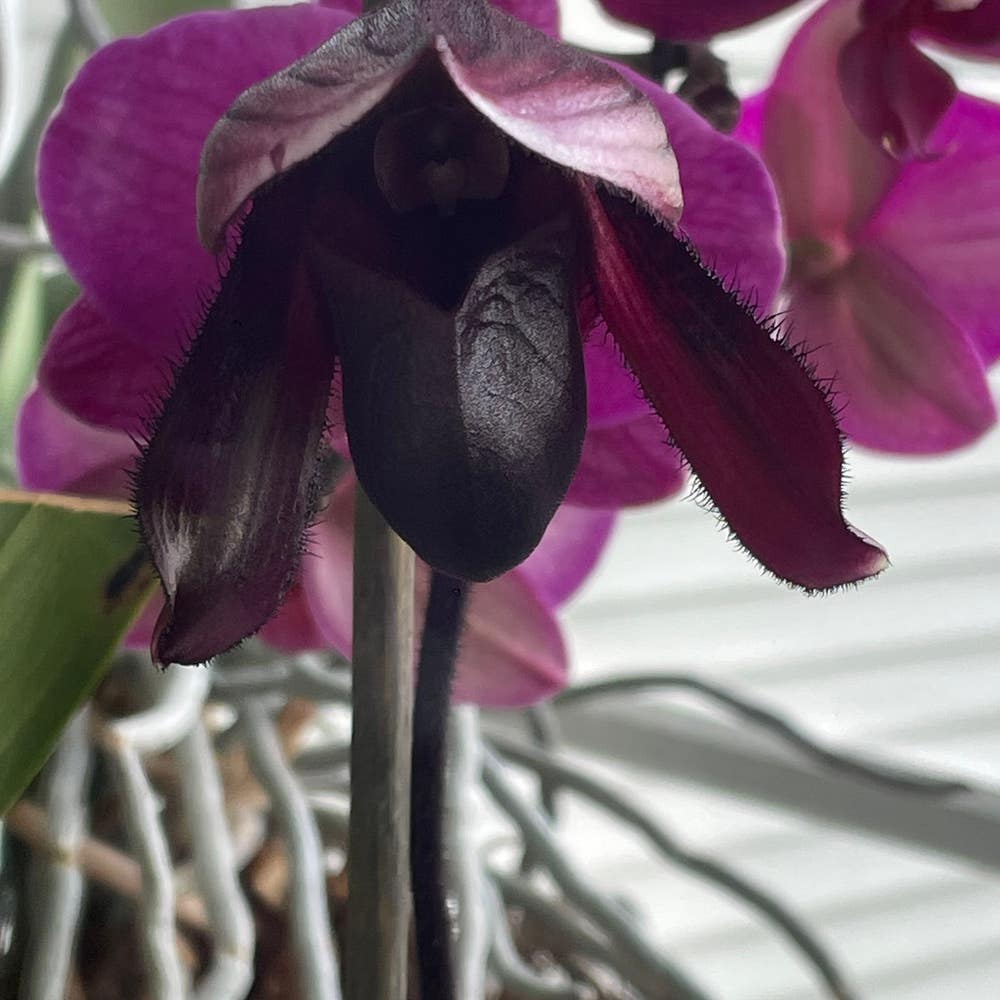
Paphiopedilum orchids are a feast for the eyes, showcasing a vibrant palette of colors. You'll find stunning shades of white, yellow, pink, and purple, often in beautiful combinations.
These flowers are known for their unique slipper-shaped blooms, featuring a distinct lip and an intricate petal arrangement. Depending on the variety, the flowers can range from 2 to 6 inches in diameter, making them a striking addition to any collection.
Self-Pollination vs. External Pollination 🐝
When it comes to reproduction, Paphiopedilum species have diverse strategies. Some are self-pollinating, meaning they can fertilize themselves without needing outside help.
Others rely on specific pollinators, like bees, to facilitate the process. This fascinating interplay between plant and pollinator highlights the intricate relationships in nature.
With their captivating colors and unique reproductive methods, Paphiopedilum orchids are not just beautiful; they are also a testament to the wonders of the natural world.
As we delve deeper into the blooming process, you'll discover how to encourage these stunning flowers to thrive.
Blooming Process
🌸 Blooming Stages and Typical Bloom Time
The blooming process of Paphiopedilum orchids unfolds in distinct stages. It begins with bud formation, followed by the emergence of flower spikes, and culminates in the opening of the flowers.
Typically, the bloom time varies by species, but most Paphiopedilum orchids flower once a year during specific seasons. This annual cycle is a key aspect of their charm.
⏳ Duration from Bud Formation to Full Bloom
Once the buds form, the journey to full bloom takes about 6 to 12 weeks. This timeframe can fluctuate based on environmental conditions, such as light and temperature.
Understanding this timeline helps you anticipate when to expect those stunning blooms.
🌼 Lifespan of the Flowers
After blooming, the flowers of Paphiopedilum usually last between 4 to 6 weeks. Some varieties may even showcase longer-lasting blooms, adding to their allure.
This relatively short lifespan is a reminder to appreciate each bloom while it lasts.
As you nurture your Paphiopedilum, keep in mind the blooming process and its stages. This knowledge will guide you in providing the best care to encourage future blooms. Next, let's explore how to encourage your Paphiopedilum to bloom effectively.
Encouraging Blooms
Tips on How to Encourage Paphiopedilum to Bloom 🌸
To get your Paphiopedilum to bloom beautifully, start with adequate light exposure. Aim for bright, indirect light to mimic its natural habitat.
Next, humidity plays a crucial role. Maintain levels between 50-70% to keep your orchid happy and thriving.
Fertilization is key during the growing season. Use a balanced orchid fertilizer to provide essential nutrients.
Lastly, temperature matters. Keep your plant in a range of 65°F to 80°F (18°C to 27°C) for optimal growth.
Factors Influencing Flowering 🌼
Several factors influence the flowering of Paphiopedilum. Environmental conditions like light, humidity, and temperature are foundational.
Nutritional needs are also vital. Regular feeding during the growing season ensures your plant has the energy to bloom.
Don't overlook plant health. Proper watering and pest management are essential for a flourishing orchid.
By addressing these factors, you can create an environment that encourages your Paphiopedilum to showcase its stunning blooms.
Next, let’s explore what happens after the flowering period and how to care for your orchid post-bloom.
Post-Flowering Care
What Happens After the Flowering Period 🌱
After your Paphiopedilum has finished blooming, it typically enters a resting phase. During this time, the plant requires less water and nutrients, allowing it to recharge for future growth.
Cutting back the flower spikes can also be beneficial. This practice encourages new growth and prepares the plant for its next blooming cycle.
Discussion on Whether Paphiopedilum Dies After Flowering 🤔
A common misconception is that Paphiopedilum dies after flowering. In reality, these resilient orchids can thrive long after their blooms fade, continuing to produce new growth and flowers in subsequent years.
Understanding this aspect of their lifecycle can enhance your appreciation for these beautiful plants. With proper care, your Paphiopedilum will reward you with stunning blooms year after year.
As you move forward, consider how to encourage those blooms and keep your orchid healthy and vibrant.
Pollination Methods
Understanding Pollination in Paphiopedilum 🌸
Pollination is crucial for the reproduction of Paphiopedilum orchids. Some species rely on external pollinators, while others have adapted to self-pollination.
External Pollination Techniques 🐝
For those species that require external pollination, attracting specific pollinators is key. They often do this through their unique scents and flower shapes, which entice insects like bees.
- Scent Attraction: The fragrance of the flowers plays a significant role in drawing in pollinators.
- Flower Shape: The slipper-shaped blooms are designed to facilitate access for pollinators, ensuring effective pollen transfer.
In cultivation, manual pollination techniques can be employed to ensure successful fertilization. This method is particularly useful when natural pollinators are scarce.
Self-Pollination Mechanisms 🌱
On the other hand, some Paphiopedilum species have developed mechanisms for self-pollination. This ability allows them to fertilize themselves without needing external help, ensuring their survival in various environments.
- Self-Fertilization: This process can occur when pollen from the anther lands on the stigma of the same flower, leading to successful seed development.
Understanding these pollination methods not only highlights the adaptability of Paphiopedilum orchids but also enhances our appreciation for their unique reproductive strategies.
As we delve deeper into the fascinating world of these orchids, the next section will explore their unusual characteristics related to flowering.
Unique Aspects
🌸 Unusual Characteristics Related to Flowering
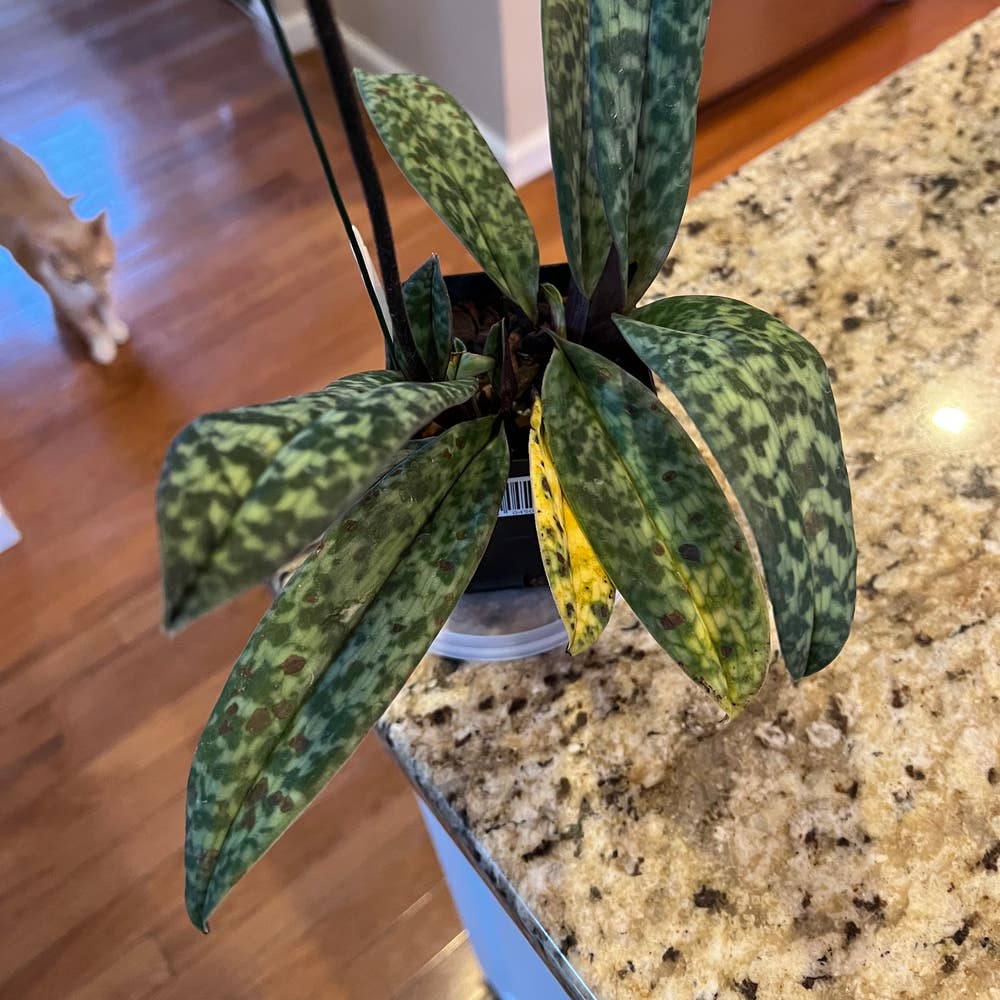
Paphiopedilum orchids are not just about their stunning blooms; many varieties boast beautiful, ornamental foliage that remains captivating even when the plant is not in flower. This lush greenery adds a layer of interest to your collection, making them a favorite among orchid enthusiasts.
Additionally, these orchids exhibit complex reproductive strategies. Different species have unique methods of attracting pollinators, showcasing the incredible diversity within the Paphiopedilum genus.
🤓 Interesting Facts or Trivia
The flower meaning of Paphiopedilum often symbolizes beauty and elegance, making it a cherished gift for special occasions. This symbolism adds to the allure of these orchids, as they represent more than just a plant; they embody grace and sophistication.
Moreover, some species have developed fascinating adaptations to attract male pollinators. By mimicking the appearance of female insects, these orchids cleverly entice their pollinators, ensuring their reproductive success while showcasing nature's ingenuity.
As you explore the world of Paphiopedilum, you'll find that their unique characteristics and intriguing facts only deepen your appreciation for these remarkable orchids. Next, let's delve into the various pollination methods that play a crucial role in their life cycle.
⚠️ Safety First
This content is for general information and may contain errors, omissions, or outdated details. It is not medical, veterinary advice, or an endorsement of therapeutic claims.
Always consult a qualified healthcare professional before using any plant as food, medicine, or supplement.
Never eat any plant (or feed one to pets) without confirming its identity with at least two trusted sources.
If you suspect poisoning, call Poison Control (800) 222-1222, the Pet Poison Helpline (800) 213-6680, or your local emergency service immediately.
Spotted an error? Please report it here.
Unlock stunning blooms from your Paphiopedilum orchids 🌺 with Greg's personalized care reminders that ensure they thrive year after year!