How to Cure Droopy Leaves on Your Paphiopedilum 😢
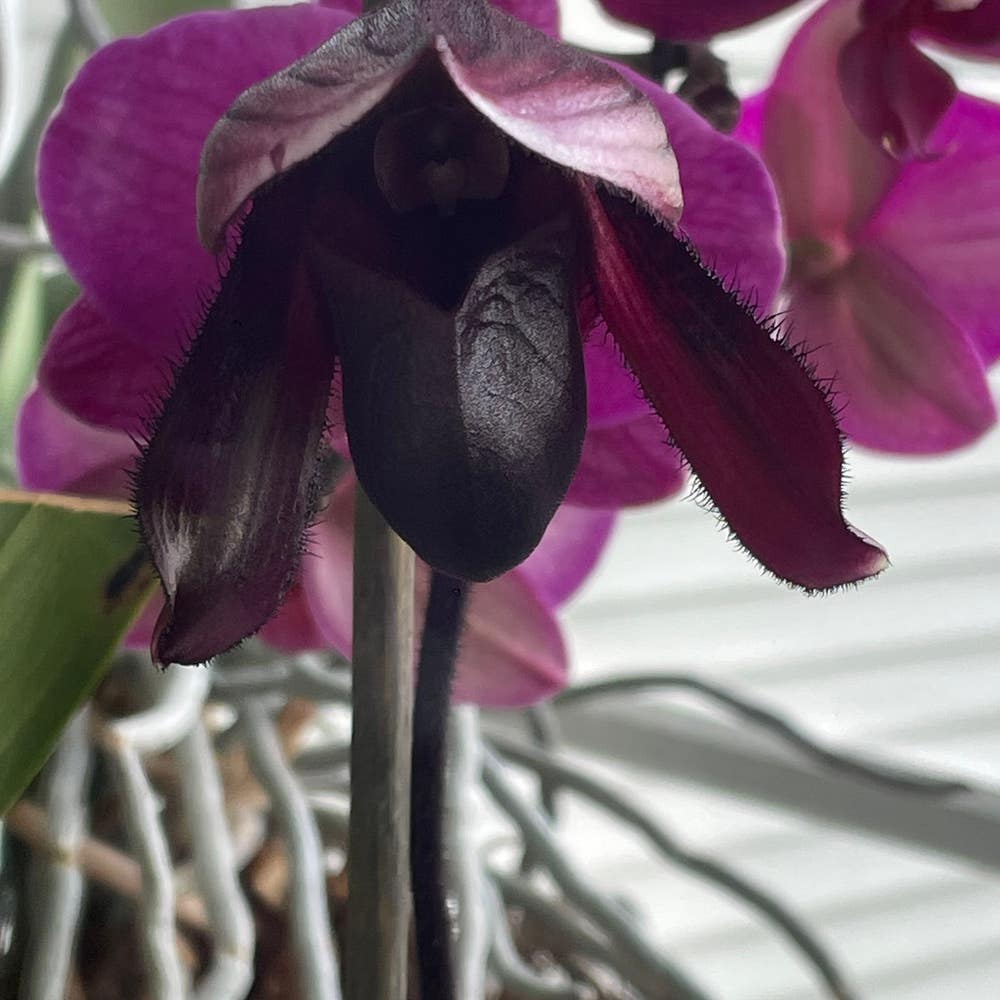
Paphiopedilum hirsutissimum
By the Greg Editorial Team
Oct 25, 2024•5 min read
This article was created with the help of AI so we can cover more plants for you. May contain errors. See one? Report it here.
Transform your droopy Paphiopedilum into a thriving beauty with essential care tips! 🌱✨
- 💧 Overwatering and underwatering are primary causes of droopy leaves in Paphiopedilum.
- 🌞 Bright, indirect light for 12-14 hours daily is essential for healthy growth.
- 🌡️ Maintain 20°C to 30°C temperature and 50-70% humidity for optimal plant health.
Causes of Droopy Leaves
💧 Overwatering and Root Rot
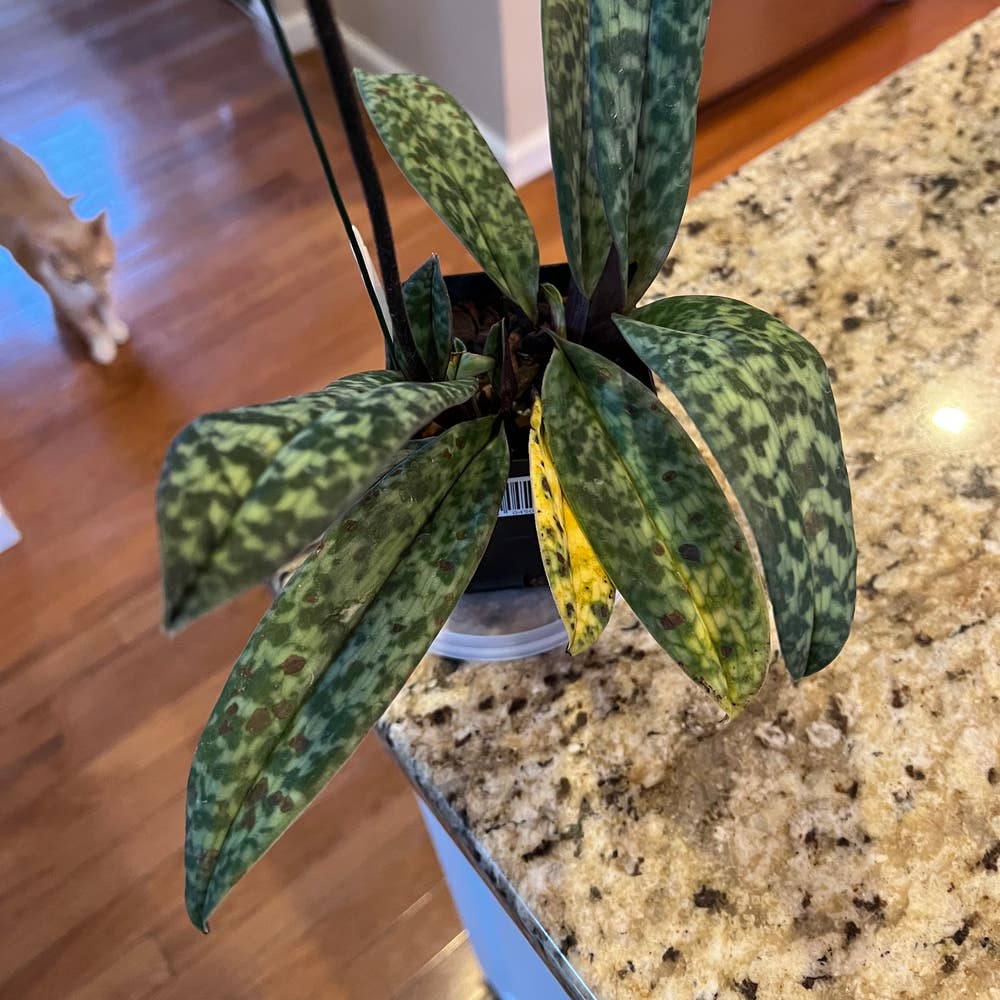
Overwatering is a common culprit behind droopy leaves. Symptoms include yellowing leaves, mushy roots, and a foul smell emanating from the potting medium.
To identify root rot, check the roots: blackened, soft roots indicate trouble, while healthy roots should be firm and white. If you find mushy roots, it’s time to reassess your watering habits.
🚰 Underwatering and Dehydration
On the flip side, underwatering can also lead to droopy leaves. Signs include wrinkled leaves, a dry potting medium, and noticeable leaf droop.
Consistent watering is crucial for balancing moisture and dryness. A well-timed watering schedule can make all the difference.
💡 Inadequate Light Conditions
Light plays a vital role in your Paphiopedilum's health. Ideally, these orchids need bright, indirect light for 12-14 hours daily.
If your plant is showing slow growth, elongated leaves, or droopiness, it might be a sign of insufficient light. Adjusting its position could revive its vigor.
🌡️ Temperature Stress
Temperature fluctuations can stress your plant. The optimal range is between 20°C to 30°C (68°F to 86°F) during the day, with cooler temperatures at night.
Symptoms of temperature stress include leaf droop, discoloration, and stunted growth. Keeping your plant within this range is essential for its well-being.
🌬️ Humidity Levels
Humidity is another critical factor for your Paphiopedilum. These orchids thrive in 50-70% relative humidity.
Signs of low humidity include leaf curling, browning tips, and, of course, droopy leaves. Maintaining adequate humidity levels will help your plant flourish.
Understanding these causes can empower you to take action and restore your orchid's health. Next, let’s dive into diagnosing the specific problems affecting your plant.
Diagnosing the Problem
🚰 Signs of Overwatering vs. Underwatering
Identifying whether your Paphiopedilum is suffering from overwatering or underwatering is crucial. Overwatering often leads to yellowing leaves and mushy roots, while underwatering results in wrinkled leaves and a dry potting medium.
💡 Assessing Light Exposure
Light conditions play a significant role in your plant's health. Use a light meter to evaluate exposure or simply observe the leaf color and growth patterns to determine if adjustments are needed.
🐛 Checking for Pests or Diseases
Pests can wreak havoc on your Paphiopedilum. Common culprits include aphids, mealybugs, and spider mites, which leave sticky residue, webbing, or visible insects on the leaves.
🌡️ Evaluating Environmental Conditions
Environmental factors are just as important as watering and light. Regularly monitor temperature and humidity with thermometers and hygrometers, and make necessary adjustments using fans or humidifiers to create a suitable environment.
By carefully diagnosing these issues, you can take the next steps toward restoring your plant's health. Understanding these signs will guide you in implementing effective treatment solutions.
Treatment Solutions
Adjusting Watering Practices 🌊
To keep your Paphiopedilum thriving, aim to water every 1-2 weeks. Check the potting medium's moisture level; if it's dry, it's time to soak the medium thoroughly and let any excess water drain out.
Improving Drainage and Potting Medium 🪴
A well-draining potting mix is crucial. Combine bark, perlite, and sphagnum moss for optimal aeration, and always choose pots with drainage holes. Refresh the potting medium every 1-2 years to maintain its effectiveness.
Modifying Light Exposure 💡
Light is vital for your orchid's health. If your plant seems droopy, consider moving it to a brighter spot or using grow lights to ensure it receives 12-14 hours of bright, indirect light daily.
Increasing Humidity Levels 💧
Humidity plays a key role in your plant's vitality. Use humidity trays, mist the leaves, or place a humidifier nearby to maintain a comfortable environment, and regularly check humidity levels with a hygrometer.
Temperature Adjustments 🌡️
Maintaining the right temperature is essential for growth. Use thermostats to keep your indoor climate between 20°C to 30°C (68°F to 86°F) during the day, and remember to adjust conditions seasonally—move your plant indoors during colder months or provide shade in the summer.
By implementing these treatment solutions, you can effectively address droopy leaves and promote a healthier Paphiopedilum. Next, let’s explore preventive measures to ensure your orchid remains vibrant and resilient.
Preventive Measures
🌊 Best Practices for Watering
Establishing a consistent watering schedule is crucial for your Paphiopedilum's health. Set reminders to help you stay on track and avoid the pitfalls of over or underwatering.
Check the potting medium's moisture before watering. This simple step ensures your plant gets the right amount of hydration.
🌱 Ideal Potting Mix
For optimal growth, use a potting mix composed of 50% bark, 30% perlite, and 20% sphagnum moss. This blend promotes aeration and drainage, which are vital for preventing root rot.
Proper aeration is essential. It allows roots to breathe and thrive, reducing the risk of waterlogged conditions.
🔍 Regular Monitoring of Conditions
Daily checks of temperature and humidity can make a significant difference in your plant's well-being. Keeping an eye on these factors helps you catch potential issues early.
Adjust your care routine based on seasonal changes. This proactive approach ensures your Paphiopedilum remains healthy year-round.
☀️ Seasonal Care Adjustments
Modify your watering routine in winter by reducing frequency. In contrast, increase humidity levels during the summer months to keep your plant happy.
Observe your plant's responses closely. Adjust your care based on its leaf health and growth patterns for the best results.
By implementing these preventive measures, you can maintain a thriving Paphiopedilum and enjoy its beauty for years to come. Next, we'll explore how to diagnose specific problems when your plant shows signs of distress.
⚠️ Safety First
This content is for general information and may contain errors, omissions, or outdated details. It is not medical, veterinary advice, or an endorsement of therapeutic claims.
Always consult a qualified healthcare professional before using any plant as food, medicine, or supplement.
Never eat any plant (or feed one to pets) without confirming its identity with at least two trusted sources.
If you suspect poisoning, call Poison Control (800) 222-1222, the Pet Poison Helpline (800) 213-6680, or your local emergency service immediately.
Spotted an error? Please report it here.
Revive your Paphiopedilum's droopy leaves with smart care tips 🌿 from Greg, who'll provide personalized reminders and insights to keep your orchid thriving!