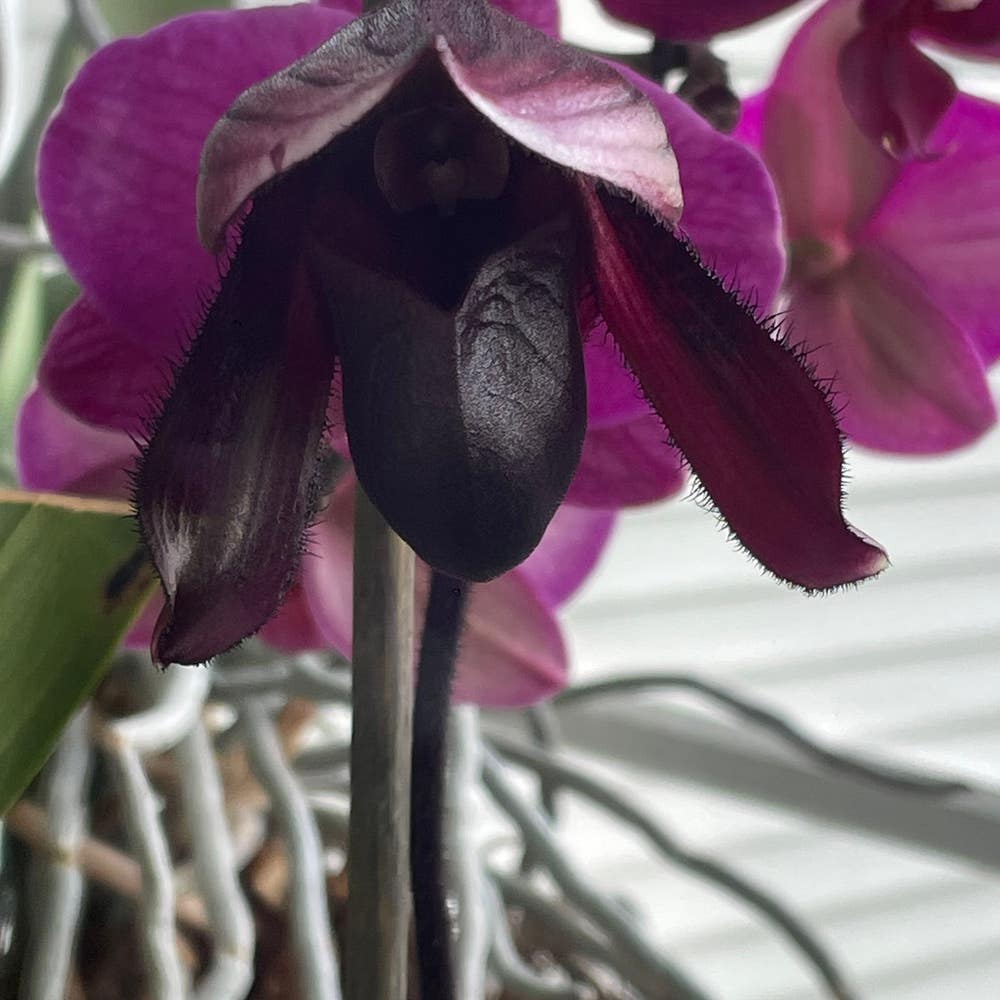
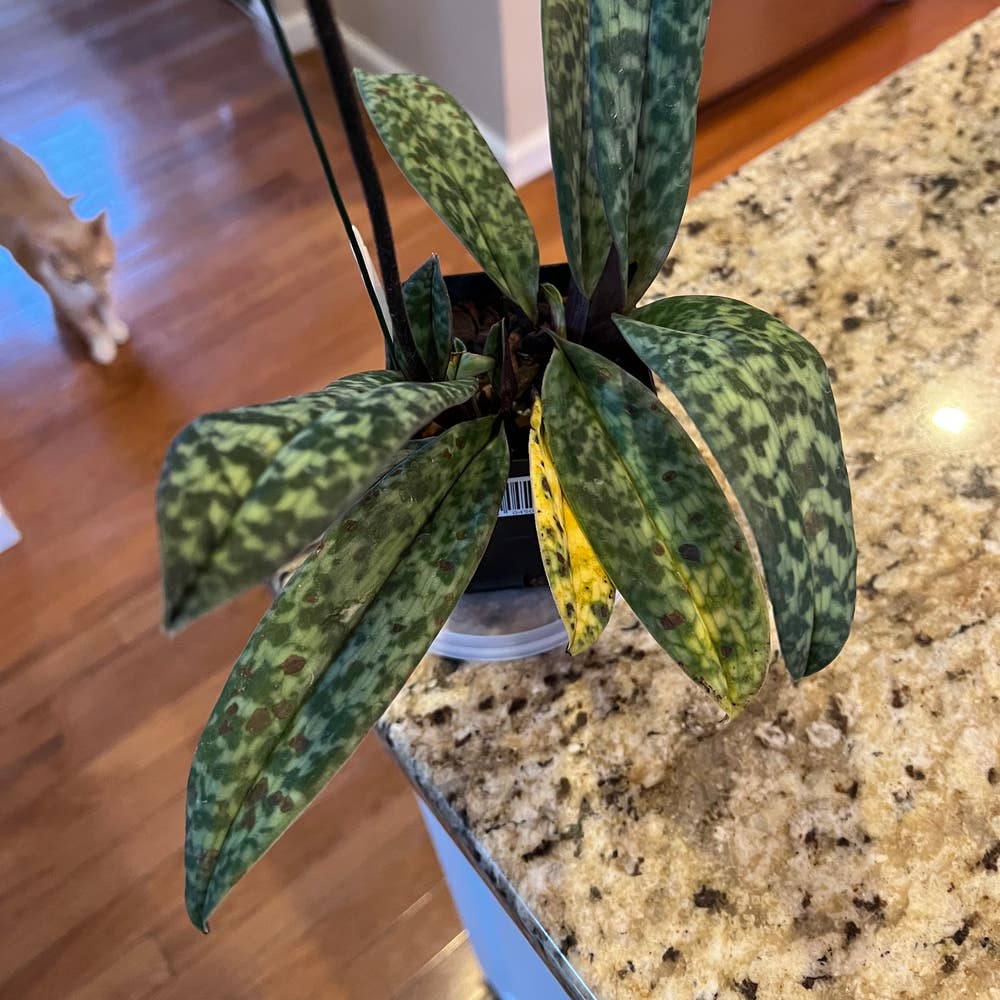
🔍 Understanding Black Spots on Your Paphiopedilum Leaves
Paphiopedilum hirsutissimum
By the Greg Editorial Team
Oct 25, 2024•5 min read
This article was created with the help of AI so we can cover more plants for you. May contain errors. See one? Report it here.
Keep your Paphiopedilum thriving and spot-free 🌿 with essential care tips and effective treatment strategies!
- 🌱 Black spots arise from fungal or bacterial infections; identify the cause for treatment.
- 💧 Overwatering and poor drainage lead to bacterial issues; adjust watering practices accordingly.
- 🌞 Optimal light and humidity (50-70%) are crucial for Paphiopedilum health and disease prevention.
Causes of Black Spots
🦠 Fungal Infections
Fungal infections are a common culprit behind black spots on Paphiopedilum leaves. Key pathogens include Phytophthora and Botrytis, which thrive in conditions of high humidity and poor air circulation.
Symptoms of these infections manifest as dark, water-soaked spots that can expand over time. If you notice these signs, it’s crucial to act quickly to prevent further damage.
🦠 Bacterial Infections
Bacterial infections can also lead to unsightly black spots. Common pathogens like Erwinia and Pseudomonas are often responsible, presenting as black, sunken spots surrounded by a yellow halo.
These infections typically arise from overwatering and poor drainage. Keeping an eye on your watering practices can help mitigate these issues.
🌞 Environmental Stress
💡 Light
Light plays a significant role in the health of your Paphiopedilum. Ideally, these plants thrive in 50-70% shade; too much direct sunlight can lead to leaf burn.
💧 Humidity
Maintaining optimal humidity levels between 50-70% is essential. Low humidity can stress the plant, making it more susceptible to diseases.
🌡️ Temperature
Temperature fluctuations can also impact your plant's health. Aim for a consistent range of 20°C to 30°C (68°F to 86°F) to keep your Paphiopedilum thriving.
🕵️♂️ Diagnosis
🔍 Identifying the Type of Black Spots
Distinguishing between fungal and bacterial spots is crucial for effective treatment. Fungal spots are often larger and irregularly shaped, while bacterial spots tend to be smaller with a yellow halo.
📊 Assessing the Spread and Severity of Spots
Evaluate the number of affected leaves and the overall health of the plant. Check if the spots are spreading rapidly or remaining static, as this will inform your next steps.
🛠️ Tools for Diagnosis
Using the right tools can make diagnosis easier. A magnifying glass is handy for inspecting leaves for pests or fungal spores, while a soil moisture meter helps assess watering issues and root health.
Understanding these causes and diagnostic methods can empower you to take action, ensuring your Paphiopedilum remains healthy and vibrant. Next, we’ll explore effective treatment options to combat these issues.
Treatment Options
🌱 Fungal Treatment Methods
Recommended Fungicides
To tackle fungal infections on your Paphiopedilum, consider using fungicides that contain copper or chlorothalonil. Apply these products every 7-14 days until you notice improvement in the plant's condition.
Homemade Remedies
If you prefer a DIY approach, a baking soda solution can be effective. Simply mix 1 tablespoon of baking soda with 1 gallon of water and spray it on the affected areas.
🦠 Bacterial Treatment Methods
Recommended Bactericides
For bacterial infections, look for bactericides that include streptomycin or copper. Always follow the label instructions for application frequency to achieve the best results.
Importance of Sanitation
Sanitation is crucial in preventing the spread of infections. Clean your tools and pots regularly to avoid cross-contamination, and make sure to remove and properly dispose of any affected leaves.
🌬️ General Care Adjustments
Adjusting Watering Practices
Watering practices play a significant role in plant health. Allow the top inch of soil to dry out before watering again, and opt for distilled or rainwater to prevent chemical buildup in the soil.
Improving Air Circulation
Good air circulation can help mitigate issues. Ensure adequate spacing between plants and consider using small fans to promote airflow, especially in humid environments.
By implementing these treatment options and care adjustments, you can significantly improve the health of your Paphiopedilum and prevent future issues. Next, let’s explore effective prevention strategies to keep your plant thriving.
Prevention Strategies
🌱 Best Practices for Care
Proper Watering Techniques
To keep your Paphiopedilum healthy, adopt a soak-and-dry watering method. This approach prevents overwatering, which can lead to root rot and other issues.
Ensure your pots have adequate drainage holes. Good drainage is crucial for preventing water from pooling at the bottom, which can suffocate roots.
Ideal Humidity and Temperature Levels
Maintaining humidity is vital for your plant's well-being. Consider using humidity trays or misting to keep levels consistent, ideally between 50-70%.
Monitor temperature closely. Avoid placing your orchids near drafts or heat sources, as extreme fluctuations can stress the plant.
Light Requirements
Position your Paphiopedilum in a location with filtered light. Direct sunlight can scorch the leaves, leading to unsightly damage.
🧹 Regular Maintenance Tips
Cleaning Leaves to Prevent Disease
Regularly wipe the leaves with a damp cloth to remove dust and debris. This simple task can significantly reduce the risk of disease.
Aim to clean the leaves every 2-4 weeks. Keeping them clean not only helps prevent infections but also allows the plant to photosynthesize more effectively.
Monitoring for Pests
Conduct regular inspections for signs of pests like aphids or spider mites. Early detection is key to managing infestations before they escalate.
If you spot any pests, treat them promptly with insecticidal soap or neem oil. Staying vigilant ensures your Paphiopedilum remains healthy and vibrant.
By implementing these prevention strategies, you can create an environment where your Paphiopedilum thrives. Next, let’s explore effective treatment options if your plant does develop issues.
⚠️ Safety First
This content is for general information and may contain errors, omissions, or outdated details. It is not medical, veterinary advice, or an endorsement of therapeutic claims.
Always consult a qualified healthcare professional before using any plant as food, medicine, or supplement.
Never eat any plant (or feed one to pets) without confirming its identity with at least two trusted sources.
If you suspect poisoning, call Poison Control (800) 222-1222, the Pet Poison Helpline (800) 213-6680, or your local emergency service immediately.
Spotted an error? Please report it here.
Keep your Paphiopedilum vibrant and spot-free 🌿 by using Greg's tailored care reminders to maintain optimal humidity and light conditions!