Best Fertilizer for Paphiopedilum
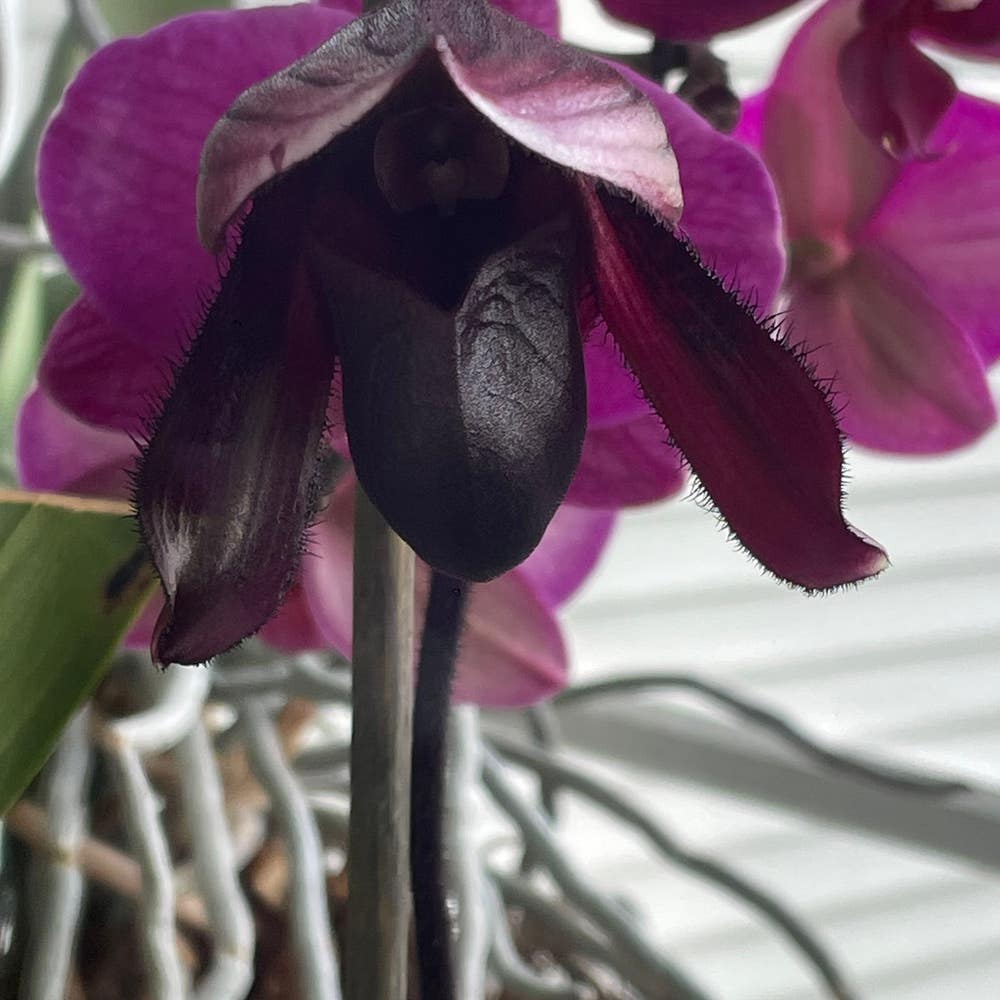
Paphiopedilum hirsutissimum
By the Greg Editorial Team
Nov 09, 2024•7 min read
This article was created with the help of AI so we can cover more plants for you. May contain errors. See one? Report it here.
Nurture your Paphiopedilum orchids 🌸 with expert fertilization tips for stunning blooms and vibrant growth!
- 🌱 Liquid fertilizers offer quick absorption, ideal for thriving Paphiopedilum orchids.
- ⏰ Fertilize during spring and summer for optimal growth; avoid dormancy periods.
- 🔍 Monitor N-P-K ratios to prevent nutrient burn and ensure vibrant blooms.
Types of Fertilizers Suitable for Paphiopedilum
💧 Liquid Fertilizers
Liquid fertilizers are a popular choice for Paphiopedilum orchids due to their quick absorption and immediate effect. A balanced orchid fertilizer, such as a 30-10-10 formulation, provides essential nutrients that support healthy growth and vibrant blooms.
⏳ Slow-Release Fertilizers
Slow-release fertilizers offer the advantage of gradual nutrient release over time, making them an excellent option for busy plant parents. These fertilizers should be applied every 6 to 12 months, ensuring your orchids receive a steady supply of nutrients without the risk of over-fertilization.
🌱 Organic Options
For those who prefer a more natural approach, organic fertilizers like fish emulsion and seaweed extract are fantastic choices. These options not only nourish your Paphiopedilum but also contribute to long-term soil health, promoting a thriving ecosystem for your plants.
Incorporating the right type of fertilizer is crucial for the health of your Paphiopedilum. Understanding the benefits of each option will help you make informed decisions that lead to flourishing orchids. Next, let’s explore how to effectively fertilize your Paphiopedilum for optimal growth.
How to Fertilize Paphiopedilum
Fertilizing your Paphiopedilum orchids can seem daunting, but with the right approach, it becomes a straightforward task. Here’s a step-by-step guide to ensure your orchids thrive.
🌱 Step-by-Step Fertilization Process
Choose the Right Fertilizer Type: Select a fertilizer based on the growth stage of your orchid. For instance, during active growth, a balanced fertilizer works best.
Prepare the Fertilizer Solution: Follow the package instructions to mix the fertilizer. This ensures you’re providing the right nutrient concentration.
Timing is Key: Apply the fertilizer during the active growth phase, which typically spans spring and summer. This is when your orchids need the most nutrients.
💧 Recommended Dilution Rates for Liquid Fertilizers
For regular feeding, a general dilution of 1/4 to 1/2 strength is ideal. This helps prevent nutrient burn while still providing essential elements.
During blooming, consider using a higher dilution. This adjustment supports the delicate balance needed for flower development without overwhelming the plant.
🌿 Application Methods
Watering In: Mix the fertilizer with water and apply it directly to the potting medium. This method ensures that the nutrients are absorbed effectively.
Foliar Feeding: Alternatively, you can spray the solution on the leaves. This technique allows for quick nutrient uptake, especially beneficial during peak growth periods.
By following these steps, you’ll set your Paphiopedilum up for success. Next, let’s explore when to fertilize these beautiful orchids for optimal growth.
When to Fertilize Paphiopedilum
🌱 Seasonal Fertilization Schedule
Fertilizing your Paphiopedilum at the right time is crucial for its health.
- Spring: Start fertilization as new growth emerges, signaling the plant's active growth phase.
- Summer: Maintain regular feeding during this peak growth period to support robust development.
- Fall: Gradually reduce fertilization as growth begins to slow down.
- Winter: Limit fertilization to minimal or none during dormancy, allowing the plant to rest.
📈 Growth Stages and Corresponding Fertilization Needs
Understanding your plant's growth stages helps tailor your fertilization approach.
- Active Growth: During this phase, higher nitrogen levels are essential for foliage development.
- Pre-Blooming: Increase phosphorus to encourage flower development as the plant prepares to bloom.
⚠️ Signs of Nutrient Deficiency
Being aware of nutrient deficiencies can help you adjust your fertilization strategy effectively.
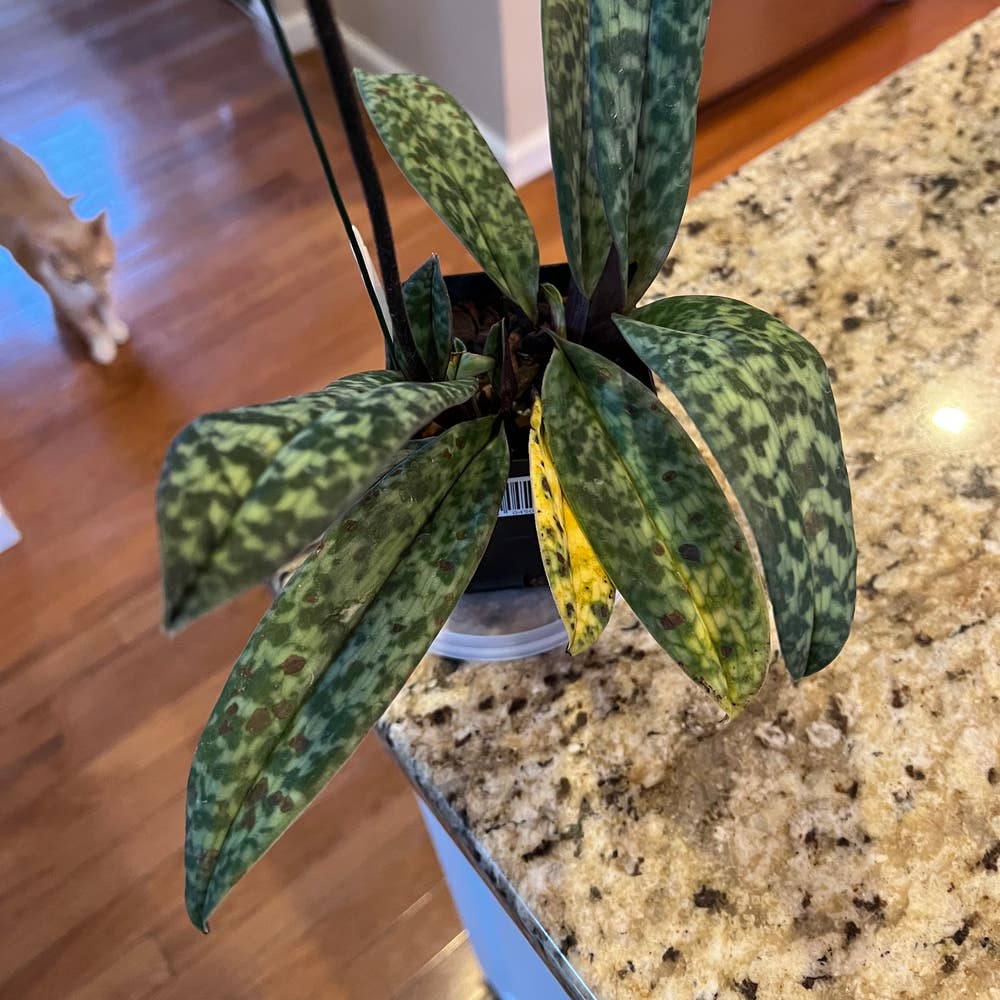
- Yellowing Leaves: This often indicates a nitrogen deficiency, signaling the need for a nitrogen boost.
- Poor Blooming: If your Paphiopedilum isn’t flowering well, it might be lacking phosphorus.
Regularly observe your plant and adjust fertilization based on these symptoms to ensure it thrives.
With this knowledge, you can nurture your Paphiopedilum effectively, setting the stage for vibrant growth and stunning blooms. Next, let’s explore how to avoid over-fertilization, ensuring your plant remains healthy and happy.
Avoiding Over-Fertilization
🌱 Symptoms of Over-Fertilization in Paphiopedilum
Over-fertilization can be detrimental to your Paphiopedilum orchids. Look out for leaf burn, characterized by brown tips and edges on leaves, which signals that your plant is overwhelmed by nutrients.
Another common sign is stunted growth. If your orchid isn’t producing new growth despite proper care, it may be suffering from nutrient overload.
🚿 How to Flush Excess Fertilizer from the Potting Medium
If you suspect over-fertilization, it's crucial to act quickly. Start by watering thoroughly with plain water until it drains from the bottom of the pot.
Repeat this process if necessary to ensure all excess nutrients are removed from the potting medium.
🛡️ Best Practices to Prevent Over-Fertilization
To avoid the pitfalls of over-fertilization, regularly check the soil moisture before applying any fertilizer. This simple step can help you gauge whether your plant truly needs more nutrients.
Additionally, using a calibrated measuring tool for accurate fertilizer application can prevent accidental overdosing. This ensures your Paphiopedilum receives just the right amount of nourishment it craves.
By following these guidelines, you can keep your orchids thriving without the risk of over-fertilization. Next, let’s explore common fertilization mistakes that can hinder your plant's growth.
Common Fertilization Mistakes
🧪 Misunderstanding Nutrient Ratios (N-P-K)
One of the most common mistakes in fertilizing Paphiopedilum orchids is misunderstanding nutrient ratios, specifically the N-P-K values. It's crucial to match the fertilizer type to the plant's specific needs; for instance, high nitrogen fertilizers can promote lush foliage but may hinder blooming.
Many growers mistakenly believe that more nitrogen is always better. However, too much nitrogen can lead to excessive leaf growth at the expense of flowers, leaving you with a beautiful plant that simply won't bloom.
💧 Ignoring Water Quality and Its Effect on Fertilization
Water quality plays a significant role in the effectiveness of your fertilization efforts. Hard water can contain minerals that bind with nutrients, making them unavailable to your orchids.
To avoid this issue, consider using distilled or rainwater for your Paphiopedilum. This ensures that the nutrients you apply are readily available for absorption, maximizing the benefits of your fertilization routine.
💤 Fertilizing During Dormancy or Non-Blooming Periods
Another frequent error is fertilizing during dormancy or when the plant is not actively growing. This can stress the plant and lead to nutrient buildup in the potting medium.
To prevent this, it's best to time your fertilization with the plant's growth cycle. Focus on feeding during the active growth phases and reduce or eliminate fertilization during dormancy for optimal health and blooming potential.
By avoiding these common mistakes, you can ensure your Paphiopedilum receives the right nutrients at the right time, setting the stage for vibrant blooms and healthy growth. Next, let’s explore how to troubleshoot any fertilization issues you might encounter.
Troubleshooting Fertilization Issues
🌱 Addressing Poor Growth or Lack of Blooms
If your Paphiopedilum isn't thriving or blooming, it’s time to evaluate your fertilization practices. Check if you’re using the right nutrient ratios; sometimes, a simple adjustment can make a world of difference.
Consider the plant's response to your current regimen. If growth is stunted, you might need to increase nitrogen levels, especially during the active growth phase.
🌤️ Adjusting Fertilization Based on Environmental Factors
Environmental conditions play a significant role in nutrient uptake. Factors like light, temperature, and humidity can affect how well your plant absorbs fertilizers.
In low light, for instance, your Paphiopedilum may require less fertilizer. Conversely, if it’s in a warm, humid environment, you might need to increase your feeding frequency.
🌼 Recommendations for Specific Paphiopedilum Varieties
Different Paphiopedilum varieties have unique fertilization needs. Tailoring your approach based on the specific type can enhance growth and blooming.
For instance, some varieties may thrive on higher phosphorus levels during blooming cycles, while others might need a balanced approach throughout the year. Always observe your plants and adjust accordingly for the best results.
By addressing these common issues, you can ensure your Paphiopedilum remains healthy and vibrant, ready to showcase its stunning blooms. Next, let’s explore how to avoid over-fertilization and keep your plants thriving.
⚠️ Safety First
This content is for general information and may contain errors, omissions, or outdated details. It is not medical, veterinary advice, or an endorsement of therapeutic claims.
Always consult a qualified healthcare professional before using any plant as food, medicine, or supplement.
Never eat any plant (or feed one to pets) without confirming its identity with at least two trusted sources.
If you suspect poisoning, call Poison Control (800) 222-1222, the Pet Poison Helpline (800) 213-6680, or your local emergency service immediately.
Spotted an error? Please report it here.
Unlock blooming brilliance in your Paphiopedilum orchids 🌸 with Greg's tailored fertilization reminders and expert tips to keep your plants thriving all year round!