4 Common Pests That Eat Paphiopedilum 🐛
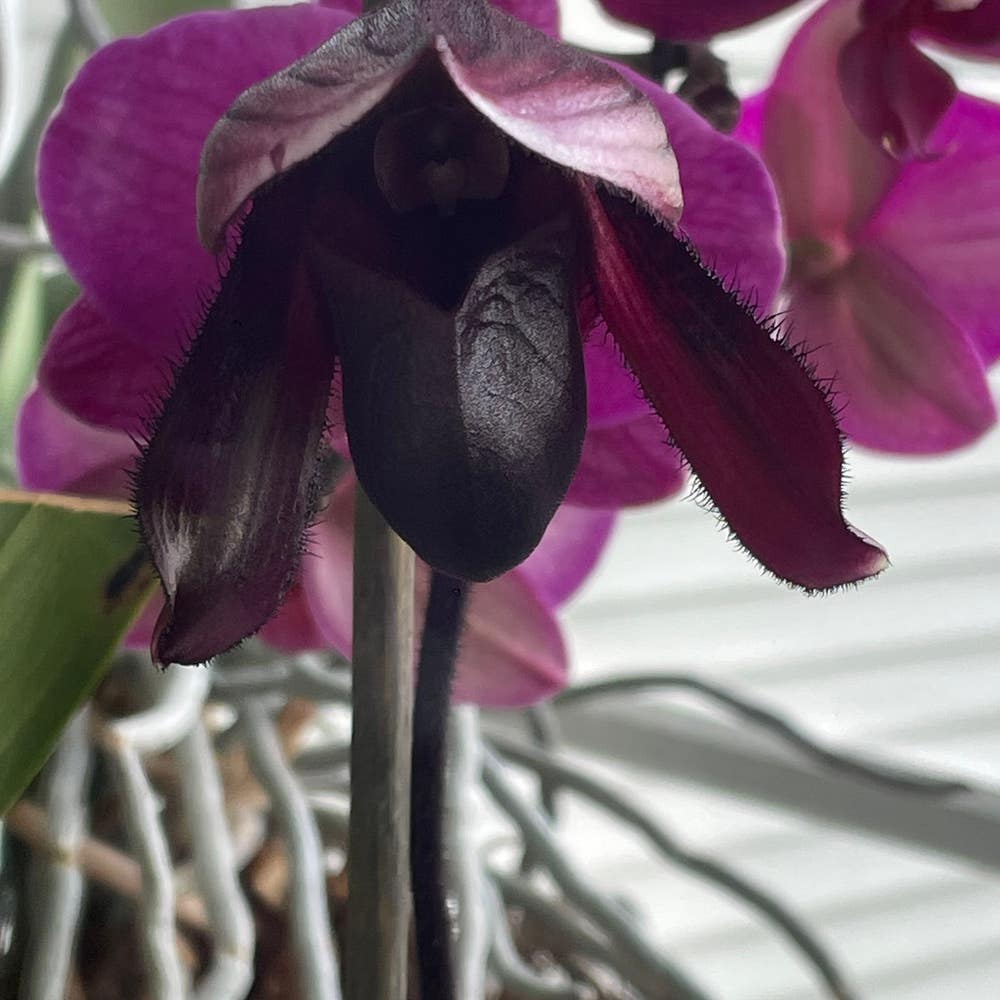
Paphiopedilum hirsutissimum
By the Greg Editorial Team
Oct 25, 2024•6 min read
This article was created with the help of AI so we can cover more plants for you. May contain errors. See one? Report it here.
Safeguard your Paphiopedilum from pesky invaders with essential tips for identification and treatment! 🌱🛡️
- 🕷️ Spider mites and mealybugs can stunt growth; early detection is crucial.
- 🐞 Scale insects and aphids weaken plants; look for sticky leaves and curling.
- 🌱 Regular inspections and good hygiene prevent pest infestations on Paphiopedilum.
Common Pests Affecting Paphiopedilum
🕷️ Spider Mites
Identification
Spider mites are tiny, spider-like creatures often lurking on the undersides of leaves. Look for fine webbing and stippled leaves as telltale signs of their presence.
Damage Caused
These pests can discolor leaves, leading to eventual drop. If left unchecked, they may stunt growth and reduce flowering.
Treatment Options
For chemical solutions, use miticides specifically designed for spider mites. Organic options include neem oil or insecticidal soap, and increasing humidity around the plant can also help.
🐢 Scale Insects
Identification
Scale insects appear as small, oval-shaped bumps on stems and leaves. Sticky leaves due to honeydew excretion are a clear indicator of their infestation.
Damage Caused
These pests weaken plants, causing yellowing leaves and potential dieback. Their presence can significantly impact the health of your Paphiopedilum.
Treatment Options
Chemical treatments involve systemic insecticides targeting scale. For organic methods, use rubbing alcohol on a cotton swab to manually remove scales or apply horticultural oil.
🐛 Mealybugs
Identification
Mealybugs are recognizable by their white, cottony masses found in leaf axils and on stems. Sticky leaves and sooty mold growth are common signs of their activity.
Damage Caused
They can stunt growth and cause leaf drop, significantly weakening the plant. Their presence can be detrimental if not addressed promptly.
Treatment Options
Chemical treatments include insecticidal soap or systemic insecticides. Organic alternatives are neem oil or introducing natural predators like ladybugs.
🐜 Aphids
Identification
Aphids are small, soft-bodied insects that can be green, black, or brown. Look for curling leaves and sticky residue on plants as signs of their infestation.
Damage Caused
These pests can distort leaves and even transmit plant viruses. Their rapid reproduction can lead to significant issues if not managed.
Treatment Options
Chemical solutions include insecticidal sprays. For organic control, a strong water spray can dislodge them, or you can use neem oil or insecticidal soap.
🦋 Whiteflies
Identification
Whiteflies are tiny, white flying insects that gather on the undersides of leaves. Yellowing leaves and sticky residue are common indicators of their presence.
Damage Caused
They weaken plants and can lead to sooty mold, which can further affect plant health. Their rapid reproduction makes them a persistent threat.
Treatment Options
Chemical treatments involve insecticides specifically targeting whiteflies. Organic methods include using yellow sticky traps and neem oil.
🦟 Fungus Gnats
Identification
Fungus gnats are small, dark flies often seen buzzing around the soil. Their larvae can be found in the soil, causing root damage.
Damage Caused
These pests weaken plants by damaging roots, potentially leading to root rot. Their presence can be a sign of overwatering.
Treatment Options
Chemical solutions include soil drenches with insecticides. For organic control, allow the soil to dry out between waterings and consider using beneficial nematodes.
🐞 Weevils
Identification
Weevils are small beetles with elongated snouts, and their larvae may be found in the soil. Look for holes in leaves and signs of stunted growth.
Damage Caused
They can cause significant damage to both roots and foliage. Their feeding habits can severely impact plant health.
Treatment Options
Chemical treatments involve insecticides targeting weevils. For organic methods, handpicking and using beneficial nematodes can be effective.
Understanding these common pests is crucial for maintaining the health of your Paphiopedilum. By identifying and addressing these issues early, you can ensure your plants thrive. Next, let’s explore preventative measures to keep these pests at bay.
Prevention of Pest Infestations
🛡️ Preventative Measures
Regular inspections are key to keeping your Paphiopedilum healthy. Look for early signs of pests, as catching them early can save you a lot of trouble later.
Maintaining optimal growing conditions is equally important. Healthy plants are less susceptible to pests, so ensure they have the right light, temperature, and humidity.
🧼 Tips on Plant Hygiene
Clean your plant's leaves regularly to remove dust and potential pests. A simple wipe with a damp cloth can make a big difference.
Proper air circulation is crucial as well. Ensure your plant isn't overcrowded, allowing for airflow that helps prevent pest infestations.
By following these preventative measures and hygiene tips, you can create a thriving environment for your Paphiopedilum, reducing the likelihood of pest problems. Next, let’s explore general pest management strategies that can help you tackle any issues that do arise.
General Pest Management for Paphiopedilum
🐞 Integrated Pest Management (IPM) Principles
Integrated Pest Management (IPM) is a holistic approach that combines cultural, biological, and chemical practices to manage pests effectively. By understanding the life cycles of pests and their natural enemies, you can create a balanced ecosystem that minimizes pest issues.
Monitoring is crucial in IPM. Regularly check your plants for signs of infestation and establish threshold levels that dictate when intervention is necessary. This proactive approach helps prevent minor issues from escalating into major problems.
🔍 Importance of Early Detection and Intervention
Early detection of pests can save your Paphiopedilum from significant damage. Identifying pests at their initial stages allows for targeted treatments that are often less invasive and more effective.
Acting quickly can prevent larger infestations, ensuring your plants remain healthy and vibrant. Remember, a little vigilance goes a long way in maintaining the beauty of your orchids.
By adopting these pest management strategies, you can enjoy a thriving Paphiopedilum collection while minimizing the risk of pest-related issues. Next, let’s explore how to distinguish between similar-looking pests that might invade your plants.
Distinguishing Between Similar Pests
🕵️ Tips for Identifying Similar-Looking Pests
Identifying pests on your Paphiopedilum can be tricky, especially when they look alike. Start by examining the location of the pests; for instance, spider mites often hide on the undersides of leaves, while mealybugs prefer leaf axils.
Next, consider the texture and color. Scale insects appear as small, hard bumps, while aphids are soft-bodied and can vary in color from green to black. Observing these details can help you pinpoint the specific pest troubling your plant.
🔍 Visual Cues and Characteristics
When it comes to visual identification, focus on specific features. Spider mites leave fine webbing, which is a clear sign of their presence. In contrast, mealybugs create white, cottony masses that are hard to miss.
For scale insects, look for sticky residue on leaves, a telltale sign of honeydew excretion. Aphids, on the other hand, cause curling leaves and may leave a sticky film behind. By honing in on these characteristics, you can effectively differentiate between similar pests and take appropriate action.
Understanding these distinctions not only aids in pest management but also fosters a deeper connection with your plants. With keen observation, you can keep your Paphiopedilum thriving and beautiful.
Next, let’s explore effective prevention strategies to keep these pests at bay.
⚠️ Safety First
This content is for general information and may contain errors, omissions, or outdated details. It is not medical, veterinary advice, or an endorsement of therapeutic claims.
Always consult a qualified healthcare professional before using any plant as food, medicine, or supplement.
Never eat any plant (or feed one to pets) without confirming its identity with at least two trusted sources.
If you suspect poisoning, call Poison Control (800) 222-1222, the Pet Poison Helpline (800) 213-6680, or your local emergency service immediately.
Spotted an error? Please report it here.
Keep your Paphiopedilum thriving 🌱 by using Greg's tailored pest alerts and care tips to catch issues early and maintain a healthy environment!