Best Humidity Levels for Paphiopedilum 💧
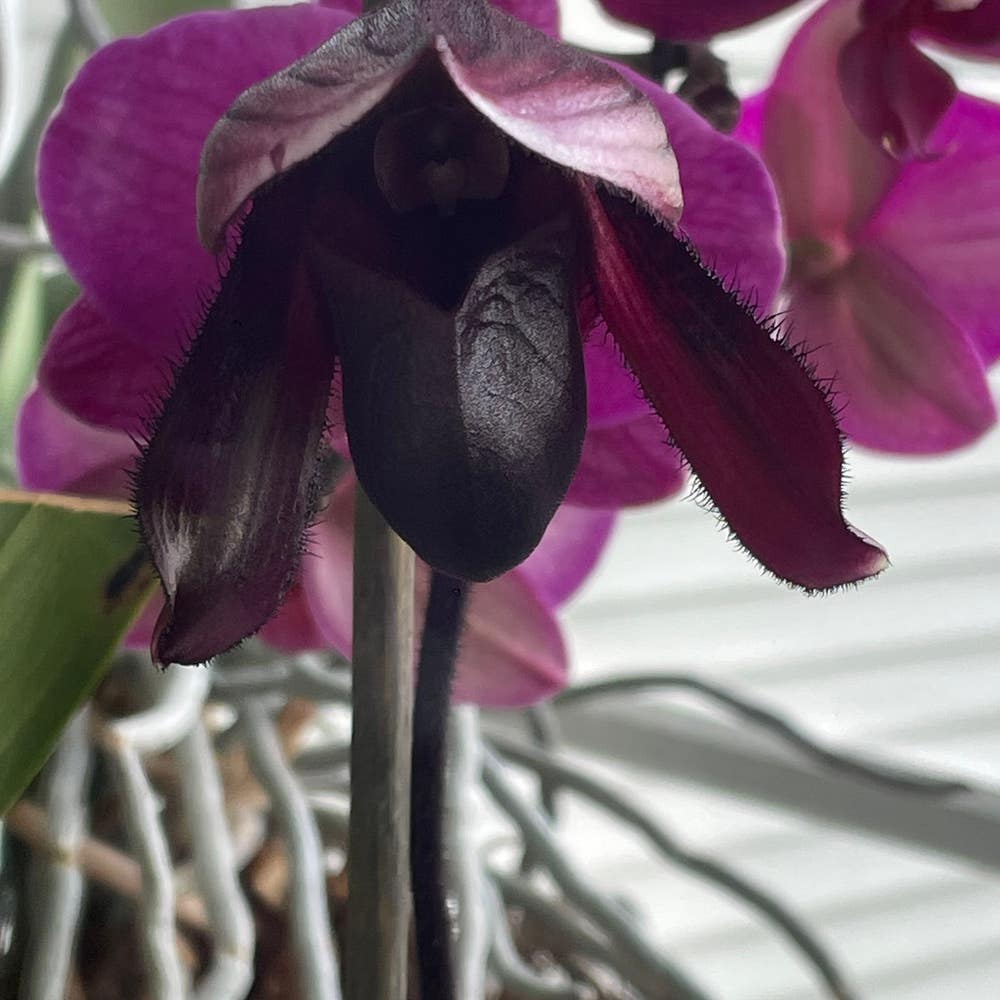
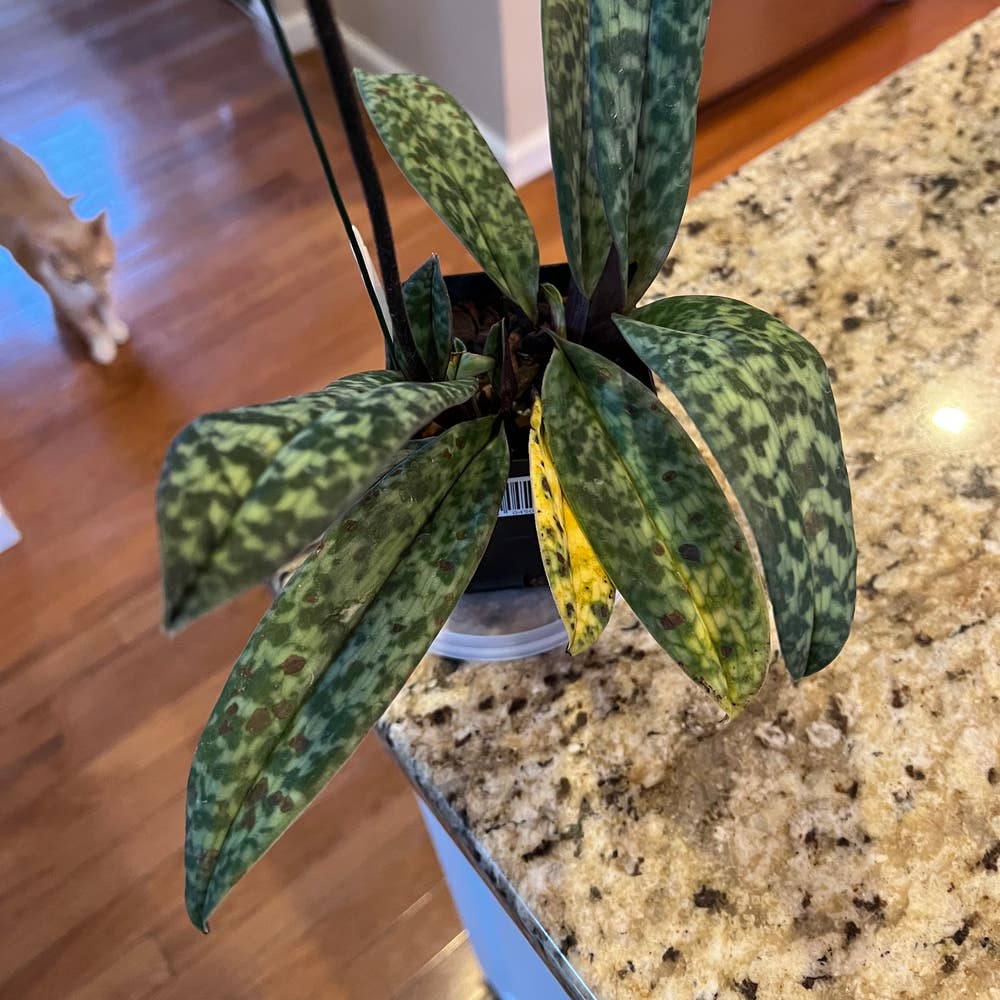
Paphiopedilum hirsutissimum
By the Greg Editorial Team
Nov 09, 2024•5 min read
This article was created with the help of AI so we can cover more plants for you. May contain errors. See one? Report it here.
Unlock vibrant blooms for your Paphiopedilum orchids 🌺 by mastering humidity control for optimal growth! 💧
- 🌬️ Ideal humidity for Paphiopedilum is 50%-70% for optimal growth and flowering.
- 🌱 Humidity fluctuations cause stress, leading to leaf curling and poor flowering.
- 💧 Use humidifiers or pebble trays to maintain consistent humidity levels indoors.
Ideal Humidity Range for Optimal Growth
For Paphiopedilum orchids, the ideal humidity range is between 50% and 70%. This range supports their growth and flowering, creating a thriving environment for these beautiful plants.
🌱 Variations Among Species
Different species of Paphiopedilum have unique humidity preferences. Some thrive in higher humidity levels of 60% to 70%, while others are adaptable and do well at 50% to 65%. Understanding these variations is crucial for successful cultivation.
📏 Importance of Consistent Humidity Levels
Maintaining consistent humidity levels is vital for the health of Paphiopedilum. Fluctuations can stress the plant, leading to issues like leaf curling or poor flowering. Keeping humidity stable ensures your orchids remain vibrant and healthy.
In summary, providing the right humidity levels tailored to your specific Paphiopedilum species will set the stage for optimal growth. Next, let’s explore the effects of low and high humidity on these delicate plants.
Effects of Low and High Humidity
🌵 Low Humidity Effects
Low humidity can be a real challenge for Paphiopedilum orchids. Symptoms often include leaf curling and browning, which can be distressing to see.
Additionally, low humidity leads to stunted growth and poor flowering. Over time, this stress can negatively impact root health and the overall vitality of your plant.
🌧️ High Humidity Effects
On the flip side, excessive humidity poses its own set of problems. One of the most concerning symptoms is the increased risk of fungal infections, which can wreak havoc on your orchids.
Moreover, high humidity can lead to root rot and other moisture-related diseases. Maintaining a balance in humidity levels is crucial for the health of your Paphiopedilum, ensuring they thrive rather than just survive.
Understanding these effects helps you create a nurturing environment for your orchids, setting the stage for the next section on strategies for managing humidity effectively.
Strategies for Managing Humidity
Managing humidity is crucial for the health of your Paphiopedilum orchids. Here are effective strategies to ensure your plants thrive in the right moisture levels.
🌧️ Methods to Boost Humidity
Humidifiers and Their Use
Using a humidifier can significantly enhance the humidity around your Paphiopedilum. Look for ultrasonic or cool-mist humidifiers, as they are particularly effective for indoor plants.
Set your humidifier to maintain humidity levels between 50% and 70%. Position it close to your orchids but ensure it doesn’t directly spray water onto them, as this can lead to fungal issues.
Pebble Trays and Water Features
Creating a pebble tray is a simple yet effective way to boost humidity. Follow these easy steps:
- Fill a shallow tray with pebbles.
- Add water until it reaches just below the pebble surface.
- Place the Paphiopedilum pot on top.
This method not only increases humidity but also adds a decorative touch to your space. Water features, like small fountains, can also help maintain moisture levels while providing a serene ambiance.
Grouping Plants for Humidity
Clustering your plants together can create a microenvironment with higher humidity. This method works because plants release moisture into the air through transpiration.
Aim for a spacing of about 6 to 12 inches between plants to allow for air circulation while maximizing humidity retention. This arrangement can create a lush, thriving environment for your Paphiopedilum.
🚫 Methods to Reduce Humidity if Necessary
Sometimes, humidity levels can rise too high, leading to potential issues. Here are ways to manage excess moisture effectively.
Air Circulation Techniques
Good air movement is essential in high humidity environments. It helps prevent mold and ensures that your plants receive adequate airflow.
Use fans or ventilation systems to improve air circulation. Position fans to create a gentle breeze around your orchids without blowing directly on them, which can cause stress.
Choosing the Right Potting Medium
Selecting the right potting mix is vital for managing moisture levels. Opt for mixes that provide excellent drainage, such as those containing bark or perlite.
Avoid overly moisture-retentive mediums, as they can lead to root rot and other issues. A well-draining mix will help maintain a healthy balance of moisture for your Paphiopedilum.
By implementing these strategies, you can create an ideal humidity environment for your orchids, promoting their growth and vitality. Next, let’s explore common humidity-related issues and how to identify and solve them effectively.
Common Humidity-Related Issues
Identifying Signs of Humidity Stress 🌬️
Humidity levels can significantly impact your Paphiopedilum's health. Watch for visual indicators of humidity-related stress, such as changes in leaf texture and issues with flowering.
Leaf curling or browning often signals low humidity, while droopy flowers may indicate excess moisture. Early detection is crucial; addressing these signs promptly can save your plant from further decline.
Solutions for Humidity-Related Problems 💧
Adjusting your watering schedule is essential based on the humidity levels in your environment. In drier conditions, increase watering frequency, while in high humidity, reduce it to prevent root rot.
Implement humidity control measures as needed. This could involve using humidifiers or adjusting your plant's location to find a more suitable microclimate.
Preventing Fungal Issues in High Humidity 🍄
Maintaining healthy humidity levels is vital to prevent fungal issues. Regularly monitor your plant's environment and ensure it stays within the ideal range.
Proper airflow and drainage are key. Use fans to circulate air and choose potting mediums that promote drainage, reducing the risk of moisture-related diseases.
⚠️ Safety First
This content is for general information and may contain errors, omissions, or outdated details. It is not medical, veterinary advice, or an endorsement of therapeutic claims.
Always consult a qualified healthcare professional before using any plant as food, medicine, or supplement.
Never eat any plant (or feed one to pets) without confirming its identity with at least two trusted sources.
If you suspect poisoning, call Poison Control (800) 222-1222, the Pet Poison Helpline (800) 213-6680, or your local emergency service immediately.
Spotted an error? Please report it here.
Keep your Paphiopedilum orchids thriving 🌿 by maintaining humidity levels between 50% and 70%, and let Greg guide you with tailored tips and reminders for perfect plant care!