❄️ How to Care for Your Paphiopedilum in Winter
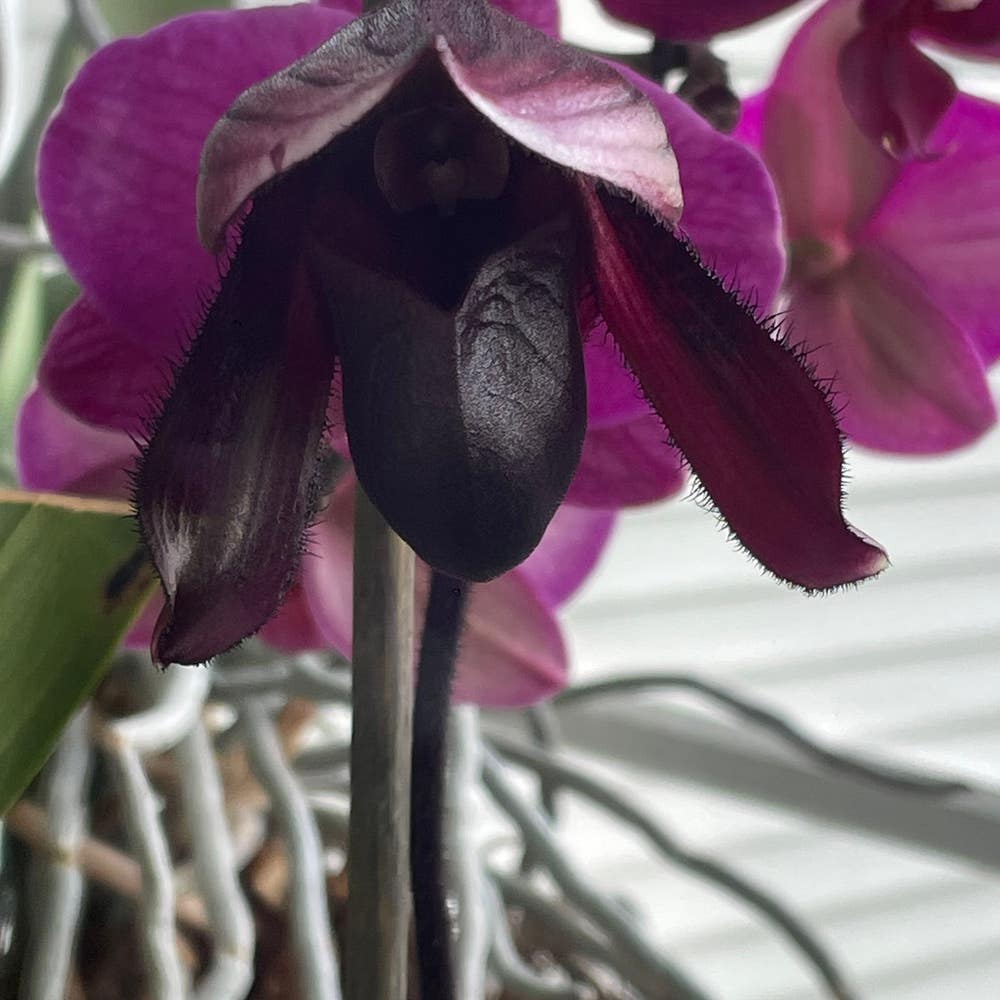
Paphiopedilum hirsutissimum
By the Greg Editorial Team
Nov 09, 2024•5 min read
This article was created with the help of AI so we can cover more plants for you. May contain errors. See one? Report it here.
Ensure your Paphiopedilum thrives this winter ❄️ for stunning blooms come springtime!
- 💧 Water every 2-3 weeks in winter to prevent root rot for your Paphiopedilum.
- 🌬️ Maintain humidity levels between 50-70% for optimal orchid health during winter.
- ❄️ Protect from frost by using cloths or moving indoors on cold nights.
Winter Care Requirements
Adjusting Watering Schedules 💧
In winter, it's crucial to reduce your watering frequency to prevent root rot and over-saturation. Aim to water your Paphiopedilum every 2-3 weeks, adjusting based on the humidity levels in your environment.
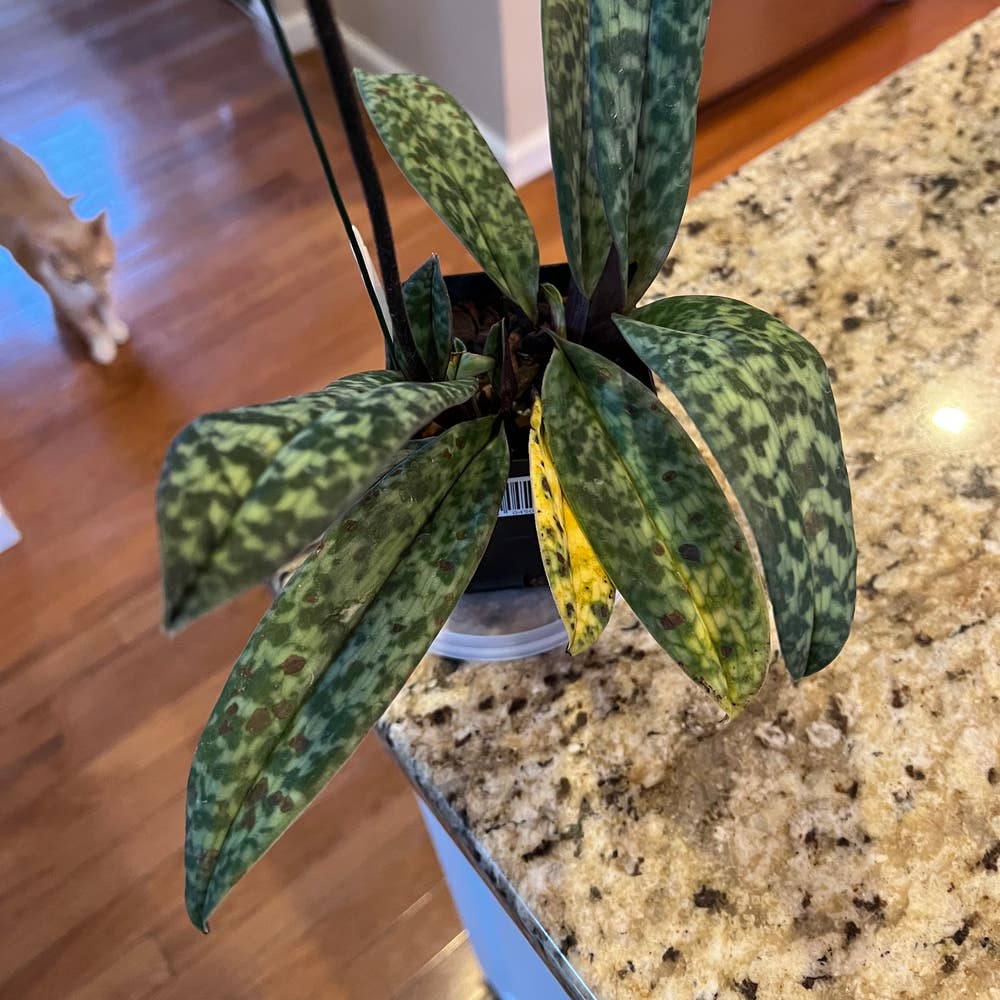
Watch for signs of overwatering, such as yellowing leaves and mushy roots. These indicators can help you fine-tune your watering schedule and keep your plant healthy.
Fertilizing in Winter Months ❄️
During the winter months, adjust your fertilization practices by reducing both the frequency and concentration of fertilizer. Opt for balanced orchid fertilizers with lower nitrogen content to support your plant's needs without overwhelming it.
Fertilize once a month during active growth periods to ensure your Paphiopedilum receives the nutrients it requires. This approach helps maintain its health through the colder months.
Importance of Humidity and Temperature Control 🌡️
Maintaining ideal humidity levels between 50-70% is essential for your Paphiopedilum's well-being. Additionally, keep temperatures between 18°C to 24°C (65°F to 75°F) to create a comfortable environment for growth.
To increase humidity, consider using humidity trays, misting your plants, or investing in a humidifier. These methods can significantly enhance your plant's winter care and overall health.
As you implement these winter care requirements, you'll set your Paphiopedilum up for success. Next, let's explore effective frost protection strategies to safeguard your plant from the cold.
Frost Protection Strategies
🥶 Methods for Protecting from Frost
Frost can be a real threat to your Paphiopedilum, especially for sensitive varieties. Identifying which species need extra care is crucial; some orchids are more vulnerable to cold than others.
To protect your plants, consider using frost cloths, which provide a barrier against freezing temperatures. Moving pots indoors during particularly cold nights or placing them in sheltered areas can also help shield them from frost damage.
Timing is everything when it comes to frost protection. Keep an eye on local weather forecasts for frost warnings to ensure your plants are safe before temperatures drop.
🏠 Indoor vs. Outdoor Winter Care Considerations
When caring for your Paphiopedilum indoors, ensure they receive adequate light and humidity. Indoor environments can often be drier, so monitoring humidity levels is essential for your orchids' health.
For outdoor plants, develop strategies to protect them from cold temperatures and frost. This might include using mulch or blankets to insulate the roots.
Transitioning between indoor and outdoor environments requires careful acclimatization. Gradually introducing your plants to different conditions helps them adjust without shock, ensuring they thrive through the winter months.
With proper frost protection and care strategies, your Paphiopedilum can weather the winter beautifully. Next, let’s explore how to identify signs of winter damage and what recovery techniques you can implement.
Signs of Winter Damage
❄️ Identifying Symptoms of Frost Damage
Winter can be tough on your Paphiopedilum, and recognizing frost damage early is crucial. Look for common signs such as wilting leaves, discoloration, and mushy spots, which indicate that your plant is struggling.
It's also important to differentiate frost damage from other issues. Leaf drop or yellowing can stem from various causes, including overwatering or pests, so assess the overall condition of your plant before jumping to conclusions.
🌱 Recovery Techniques for Damaged Plants
If you suspect frost damage, immediate action is essential. Start by assessing the extent of the damage and adjusting your care practices accordingly.
Pruning damaged leaves can help your plant focus its energy on new growth. Additionally, adjusting your watering schedule to prevent further stress is vital for recovery.
For long-term care, keep a close eye on your plant's health. Providing optimal conditions, such as proper humidity and temperature, will support its recovery and help it thrive in the upcoming spring.
Recognizing and addressing winter damage promptly can make all the difference in your Paphiopedilum's health. With the right care, your plant can bounce back and flourish as the seasons change.
Spring Preparation
Transitioning Care from Winter to Spring 🌱
As winter fades, it's time to gradually ramp up your care routine for your Paphiopedilum. Start by increasing watering and fertilization to prepare your plant for the growing season ahead.
Adjust your watering schedule to ensure your orchid receives enough moisture without overdoing it. Fertilize with a balanced orchid fertilizer to provide essential nutrients, but do so sparingly at first.
Adjusting Light Exposure ☀️
With longer days on the horizon, your Paphiopedilum will crave more light. Gradually introduce your plant to brighter conditions to prevent shock.
Monitor the light levels and adjust accordingly, ensuring your orchid thrives as it awakens from its winter dormancy.
Signs That Your Plant is Ready for Spring Growth 🌼
Keep an eye out for indicators that your Paphiopedilum is gearing up for growth. New growth, active roots, and expanding leaves are all positive signs.
Recognizing these cues will help you determine the right moment to transition your care practices. Timing is crucial for a successful spring awakening.
Conclusion 🌸
Tailoring your winter care is vital for your orchid's health. As you prepare for spring, remember to monitor your plant closely and adapt your strategies as needed.
With attentive care, your Paphiopedilum will flourish in the warmer months ahead. Embrace the journey of nurturing your plant and enjoy the beauty it brings!
⚠️ Safety First
This content is for general information and may contain errors, omissions, or outdated details. It is not medical, veterinary advice, or an endorsement of therapeutic claims.
Always consult a qualified healthcare professional before using any plant as food, medicine, or supplement.
Never eat any plant (or feed one to pets) without confirming its identity with at least two trusted sources.
If you suspect poisoning, call Poison Control (800) 222-1222, the Pet Poison Helpline (800) 213-6680, or your local emergency service immediately.
Spotted an error? Please report it here.
Keep your Paphiopedilum thriving this winter ❄️ with Greg's custom watering reminders and humidity tips to ensure a stunning bloom come spring!