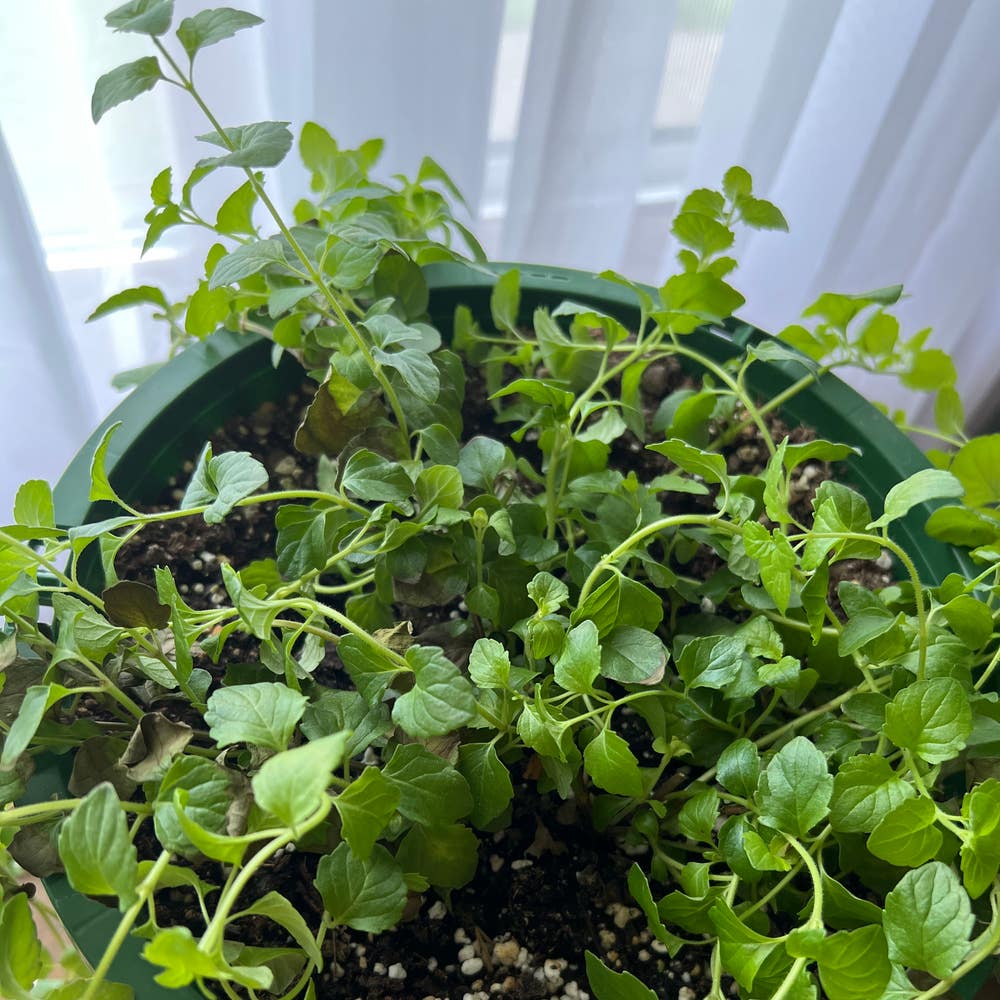
Identifying What is Eating Your Indian Mint 🐛
Coleus amboinicus
By the Greg Editorial Team
Nov 06, 2024•5 min read
This article was created with the help of AI so we can cover more plants for you. May contain errors. See one? Report it here.
Safeguard your Indian Mint from pesky herbivores 🌿 with these expert tips for a flourishing garden!
- 🦌 Deer and rabbits can severely damage Indian Mint; look for hoof prints and droppings.
- 🚫 Use barriers and repellents like wire fences and commercial sprays to deter herbivores.
- 🌱 Regular monitoring and companion planting can protect your Indian Mint from various pests.
Common Herbivores Affecting Indian Mint
🦌 Deer
Signs of Presence
Look for hoof prints in muddy areas near your Indian Mint. You might also notice irregularly chewed leaves and stems, indicating deer have been browsing.
Type of Damage
Deer can cause significant damage by stripping leaves, leading to stunted growth and, in severe cases, plant death. Their feeding habits can decimate Indian Mint populations if left unchecked.
Interaction Effects
The impact of deer on Indian Mint is generally harmful. Their presence can quickly lead to a decline in plant health and vitality.
Management Strategies
To deter deer, consider using commercial deer repellents. Additionally, planting deer-resistant companion plants or using human hair and soap shavings can provide organic pest control.
🐇 Rabbits
Signs of Presence
Rabbits leave small, rounded droppings near your plants. You may also spot cleanly cut stems and leaves, typically at a 45-degree angle.
Type of Damage
These furry pests can cause significant leaf loss, reducing the vigor of your Indian Mint. Their feeding can lead to severe plant damage if not managed.
Interaction Effects
Rabbits are generally harmful to Indian Mint. Their relentless nibbling can severely affect the plant's overall health.
Management Strategies
Fencing is an effective strategy; a 2-3 feet tall wire mesh barrier can keep rabbits at bay. You can also spray a hot pepper solution or use repellents for an organic approach.
🐿️ Squirrels
Signs of Presence
Look for small paw prints and chewed debris around your Indian Mint. You might also notice gnawed stems and leaves.
Type of Damage
Squirrels can lead to noticeable leaf loss and potential stem damage. Their activity can weaken the plant, making it more susceptible to other stressors.
Interaction Effects
The presence of squirrels is generally harmful. Their feeding habits can compromise the health of your Indian Mint.
Management Strategies
Consider using commercial squirrel repellents as a chemical deterrent. For organic pest control, motion-activated sprinklers or noise deterrents can be effective.
🐦 Birds
Signs of Presence
You may find feathers and droppings near your plants, along with peck marks on leaves. These signs indicate bird activity.
Type of Damage
Birds typically nibble on leaves, especially tender shoots. While they can cause some damage, their impact is often less severe than that of other herbivores.
Interaction Effects
Birds can be generally beneficial, as some species help control insect populations. However, their feeding can still affect your Indian Mint.
Management Strategies
To protect your plants, consider covering them with bird netting. Scare tactics, such as using reflective tape or wind chimes, can also deter birds.
🐭 Rodents (Mice, Voles)
Signs of Presence
Look for small footprints and burrows near your Indian Mint. Chewed roots and stems are also common indicators of rodent activity.
Type of Damage
Rodents can cause root damage, leading to plant instability. Their feeding habits can severely affect the overall health of your Indian Mint.
Interaction Effects
The impact of rodents is generally harmful. Their presence can lead to significant declines in plant health.
Management Strategies
For chemical deterrents, consider using rodent bait stations. For organic pest control, trapping and using natural repellents like peppermint oil can be effective.
Understanding these common herbivores and their effects on Indian Mint is crucial for maintaining a healthy garden. With the right management strategies, you can protect your plants and ensure they thrive.
General Strategies for Protecting Indian Mint
🛡️ Preventive Measures for Deterring Herbivores
To keep herbivores at bay, consider companion planting. Pairing Indian Mint with plants that naturally repel pests can create a protective barrier.
Regular monitoring is essential. Check your garden frequently for signs of animal activity, such as tracks or chewed leaves, to catch any issues early.
⚠️ Reactive Solutions for Managing Animal Interactions
When you notice damage, act quickly. Using barriers or repellents can effectively deter herbivores from further harming your plants.
For long-term protection, establish a diverse garden ecosystem. This balance can help manage herbivore populations naturally, reducing the likelihood of severe damage.
🌱 Seasonal Variations in Animal Attraction to Indian Mint
Be aware of seasonal changes in animal behavior. In spring, young shoots and flowers attract herbivores, making vigilance crucial.
As fall approaches, animals prepare for winter and may forage more aggressively. Adjust your protective strategies accordingly to safeguard your Indian Mint throughout the year.
These strategies will help you maintain a healthy Indian Mint garden, ensuring it thrives despite the challenges posed by herbivores. Next, let’s explore the toxicity and safety considerations associated with Indian Mint.
Toxicity and Safety
🐾 Discussion of Toxic Effects of Indian Mint on Animals
While Indian Mint is generally safe, it does have mild toxicity, particularly for pets. If consumed in large quantities, pets may experience gastrointestinal upset, leading to discomfort and potential health issues.
🛡️ Safety Considerations for Gardeners and Pets
To ensure safety, it's wise to keep pets away from large amounts of Indian Mint. Educating gardeners about the safe use of this herb in their gardens can help prevent accidental ingestion and promote a healthier gardening environment.
By being aware of these safety measures, you can enjoy the benefits of Indian Mint while keeping your furry friends safe. Now, let’s explore some effective strategies for protecting your Indian Mint from herbivores.
⚠️ Safety First
This content is for general information and may contain errors, omissions, or outdated details. It is not medical, veterinary advice, or an endorsement of therapeutic claims.
Always consult a qualified healthcare professional before using any plant as food, medicine, or supplement.
Never eat any plant (or feed one to pets) without confirming its identity with at least two trusted sources.
If you suspect poisoning, call Poison Control (800) 222-1222, the Pet Poison Helpline (800) 213-6680, or your local emergency service immediately.
Spotted an error? Please report it here.
Keep your Indian Mint thriving 🌱 by using Greg's tailored tips and community insights to swiftly identify and deter herbivores, ensuring your garden flourishes!