☀️ 10 Key Winter Strategies for Sunstar Flower
Ornithogalum dubium
By the Greg Editorial Team
Oct 16, 2024•5 min read
This article was created with the help of AI so we can cover more plants for you. May contain errors. See one? Report it here.
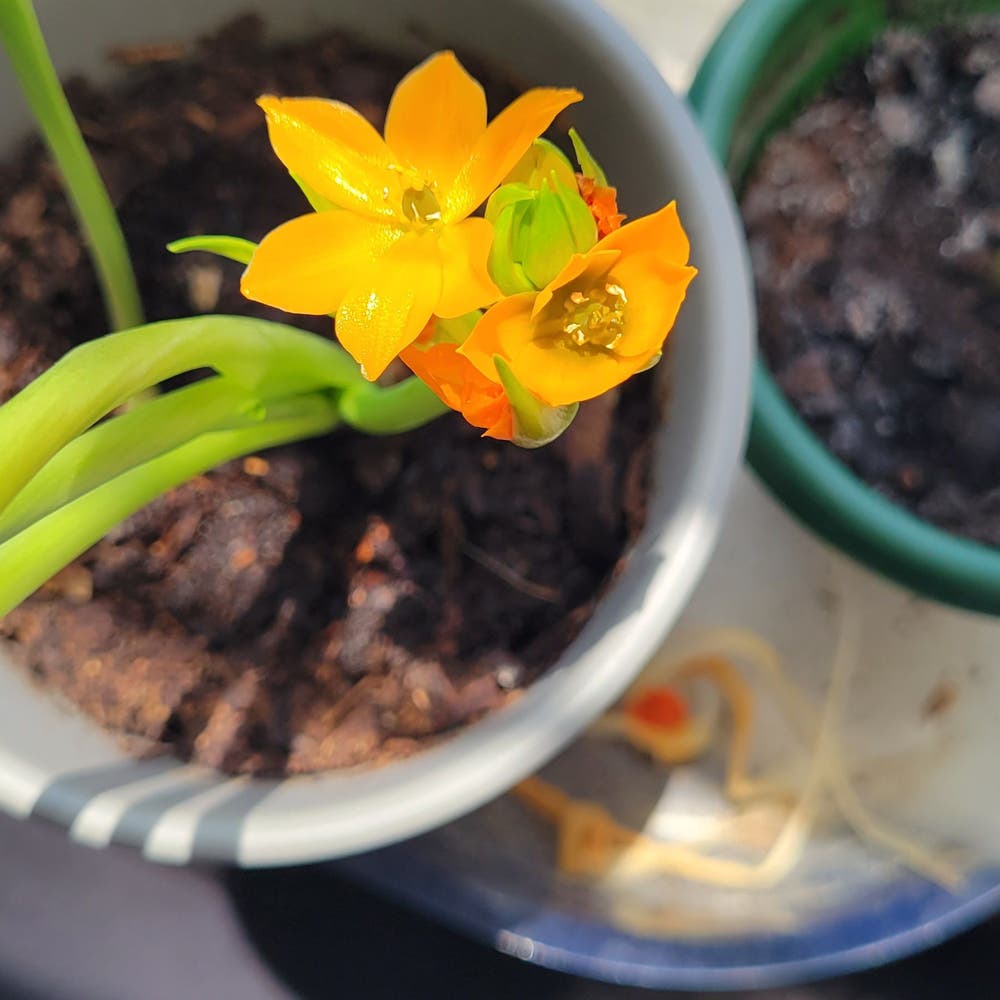
Ensure your Sunstar Flower thrives this winter 🌱 so it can burst into vibrant life come spring!
- 🌱 Mulching and protective covers are vital for insulating Sunstar Flowers in winter.
- ❄️ Adjust watering and avoid fertilization to prevent root rot during dormancy.
- 🌞 Monitor indoor conditions for optimal growth when transitioning Sunstar Flowers indoors.
Winter Care Strategies
❄️ Frost protection techniques
To protect your Sunstar Flower from frost, start with mulching. Apply a layer of organic mulch, about 3-4 inches thick, around the base of the plant. This will insulate the roots and help retain moisture.
Next, consider covering your plants. Use frost cloths or burlap to shield them from extreme cold. These materials trap heat and provide a protective barrier against harsh winter winds.
Finally, make location adjustments. Move potted plants to sheltered areas or against walls where they can benefit from additional warmth. This simple shift can make a significant difference in their winter survival.
💧 Adjusting watering schedules for winter
In winter, it’s crucial to adjust your watering schedule. Reduce watering to once every 2-4 weeks, depending on the moisture levels in the soil. This helps prevent overwatering, which can be detrimental during the colder months.
Watch for signs of overwatering such as yellowing leaves or mushy roots. These indicators signal that your plant is struggling, so it’s essential to allow the soil to dry out between waterings.
🌱 Modifying fertilizing practices during winter
During the winter months, no fertilization is necessary as your Sunstar Flower enters dormancy. This prevents unnecessary growth that can weaken the plant.
Plan to resume fertilization in early spring once you notice new growth. Opt for balanced NPK or slow-release fertilizers to support healthy development as the weather warms.
By following these winter care strategies, you can ensure your Sunstar Flower remains healthy and ready to thrive come spring. Next, let’s explore how to transition your plant indoors for the winter months.
Indoor Winter Care
Transitioning Sunstar Flower indoors 🌱
Bringing your Sunstar Flower indoors is crucial before the first frost hits. This timing ensures your plant avoids cold damage and can thrive in a controlled environment.
To help your plant adjust, gradually introduce it to indoor conditions over a week. This acclimatization process minimizes shock and promotes healthy growth.
Optimal indoor conditions for winter survival ☀️
For your Sunstar Flower to flourish indoors, it needs bright, indirect sunlight. If natural light is limited, consider using grow lights to supplement its needs.
Maintain a temperature range between 60°F to 70°F (15°C to 21°C) for optimal growth. Keeping humidity levels above 40% is also essential; using a humidifier can help achieve this.
By ensuring these conditions, you set your Sunstar Flower up for a successful winter indoors. With the right care, it will be ready to burst into life come spring.
Spring Preparation
🌱 Signs of Recovery from Winter Damage
As winter fades, keep an eye out for new growth. Green shoots or buds are a promising sign that your Sunstar Flower is bouncing back.
Check the leaves for any signs of wilting or discoloration. Healthy foliage indicates a successful recovery, while any browning may need your attention.
Ensure the soil has adequate moisture. This is crucial for helping your plant regain its strength after the cold months.
🌼 Preparing Sunstar Flower for Spring Growth
Start by pruning any dead or damaged foliage. Use clean, sharp shears to promote healthy growth and prevent disease.
Next, gradually resume your regular watering and fertilizing schedules. This gentle reintroduction helps your plant adjust to the warmer weather.
Finally, keep a vigilant eye out for pests as temperatures rise. Early detection can save your Sunstar Flower from potential infestations.
With these steps, your Sunstar Flower will be well-prepared for a vibrant spring. Transitioning into the next season is all about nurturing and vigilance, ensuring your plant thrives as the days grow longer.
Common Winter Challenges
Identifying and Addressing Frost Damage ❄️
Frost can be a sneaky adversary for your Sunstar Flower. Look out for signs like brown, crispy leaves or stems, which indicate frost damage.
To recover, prune away the affected areas and provide extra care. Early detection is crucial; the sooner you act, the better your plant's chances of bouncing back.
Managing Pests During Winter Months 🐞
Winter doesn't mean pests take a break. Common culprits include aphids, spider mites, and whiteflies, which can thrive in indoor conditions.
Regular inspections are key to prevention. Keeping your plant healthy is your best defense.
If you do encounter an infestation, consider using insecticidal soap or neem oil. These treatments can effectively manage pests without harming your plant.
By staying vigilant and proactive, you can help your Sunstar Flower thrive even in the coldest months. Next, let’s explore how to enhance your plant's cold tolerance for a more resilient winter experience.
Cold Hardiness and Resilience
🌨️ Tips for enhancing cold tolerance
Enhancing the cold tolerance of your Sunstar Flower is essential for thriving through winter. Start by selecting hardy varieties that are specifically suited for colder climates. Researching these options can make a significant difference in your plant's survival.
Implement protective measures to shield your plants from harsh elements. Windbreaks can reduce exposure to cold winds, while proper mulching techniques help insulate the roots. A layer of organic mulch not only retains moisture but also provides a buffer against freezing temperatures.
Regular maintenance is crucial for ensuring overall plant health. Healthy plants are more resilient to cold stress, so keep an eye on their needs. This includes monitoring soil moisture and checking for any signs of distress.
By taking these steps, you can significantly enhance your Sunstar Flower's cold hardiness. With the right preparation, your plants will emerge stronger and ready for the warmth of spring.
Next, let’s explore how to identify and address common winter challenges that may arise.
⚠️ Safety First
This content is for general information and may contain errors, omissions, or outdated details. It is not medical, veterinary advice, or an endorsement of therapeutic claims.
Always consult a qualified healthcare professional before using any plant as food, medicine, or supplement.
Never eat any plant (or feed one to pets) without confirming its identity with at least two trusted sources.
If you suspect poisoning, call Poison Control (800) 222-1222, the Pet Poison Helpline (800) 213-6680, or your local emergency service immediately.
Spotted an error? Please report it here.
Keep your Sunstar Flower thriving through winter ❄️ with Greg's tailored care reminders and expert tips that ensure your plant is ready to bloom come spring!