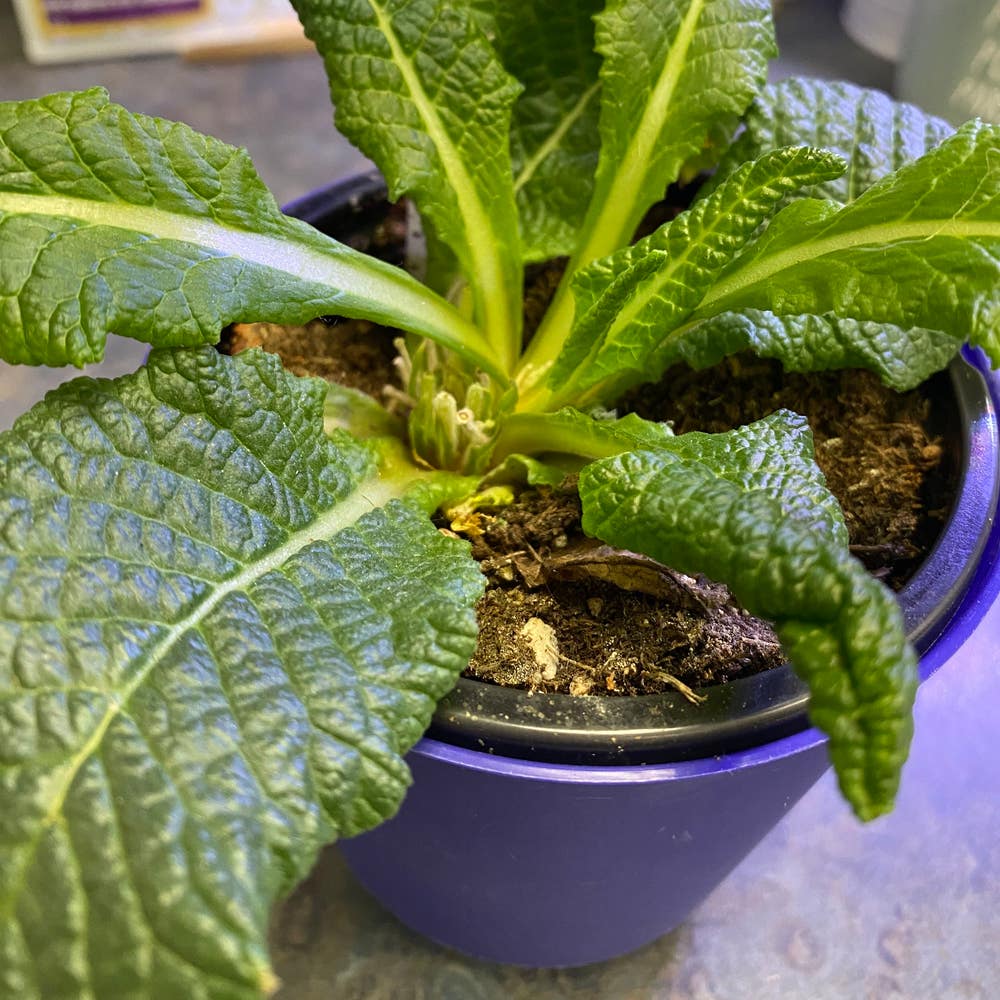
How Do I Propagate My Common Cowslip?
Primula veris
By the Greg Editorial Team
Mar 08, 2024•4 min read
This article was created with the help of AI so we can cover more plants for you. May contain errors. See one? Report it here.
Propagate cowslips effortlessly 🌼 and watch your garden flourish with these foolproof techniques!
- Spring/Autumn best for division: Look for overcrowding as a sign to propagate.
- Seed propagation tip: Dry seeds, light soil cover, and a mini greenhouse effect.
- Prevent issues: Use sterile tools, well-draining pots, and monitor moisture.
Getting Your Hands Dirty: Division Propagation
🌱 When to Divide Your Cowslip
Spring or autumn are your prime times for division. These seasons offer a gentle climate for recovery. Look for signs of overcrowding, like roots escaping the confines of their pot, or when your plant's growth becomes too vigorous. That's your cue to grab your tools.
🕺 The Division Dance
🛠️ Step 1: Prep Your Tools and Space
Ensure you have a sterile, sharp spade or knife. Cleanliness is key to prevent disease. Have pots or a garden spot ready for the new divisions.
💧 Step 2: Water Before Division
A few days before, water your cowslip to hydrate the roots. This reduces the risk of damage during the division process.
🌿 Step 3: Uproot and Inspect
Gently lift the cowslip from its current home. Inspect the root ball for new growth areas—these are your division start points.
✂️ Step 4: Tease and Divide
Carefully tease apart the roots to isolate sections. Make sure each new piece has roots and shoots. Trim away any damaged or old parts—they won't help your plant thrive.
🌱 Step 5: Plant and Water
Plant your new cowslip divisions immediately. Water them well to help them settle in. Remember, they're like toddlers—vigilant care is essential in these early stages.
From Tiny Seeds to Lush Greens: Seed Propagation
🌱 Collecting and Prepping Seeds
Harvesting seeds from your Common Cowslip is a straightforward affair. Wait for the seed pods to dry on the plant, then gather them with the precision of a jeweler picking out gems. Crack open the pods to release the seeds, which should be free of any plant debris. Store them dry; think paper envelopes, not plastic bags, to dodge the mold bullet.
🌱 Sowing and Germinating Cowslip Seeds
For Cowslip seeds, it's all about the soil mix and depth. A light, well-draining mix is your best bet, with a sprinkle of seeds just beneath the surface. Barely cover them with soil – we're talking a whisper of earth here. Then, create a mini greenhouse effect by covering the pot with plastic wrap or a clear lid. Keep it moist, but not a swamp, and place it somewhere with stable temperatures and good light. Patience is key; germination can be a waiting game with these little guys.
Ensuring Propagation Success
🌞 The Right Spot and the Right Pot
Finding the ideal location for your newly propagated Common Cowslip is crucial. These plants enjoy full sun to partial shade, with a preference for morning light and afternoon protection. When it comes to pots, drainage is non-negotiable. Terracotta pots offer breathability, promoting a healthy root system. Remember, size matters; a pot too large can lead to excess moisture, while too small can restrict growth.
💧 Water, Light, and Love
Balance is the secret sauce for thriving Cowslips. Water deeply but infrequently, allowing the soil to dry slightly between waterings. Overwatering is a one-way ticket to root rot city. Light is like a plant's caffeine; too much and they burn out, too little and they're sluggish. Aim for that sweet spot of bright, indirect light. And don't forget, a consistent routine is the backbone of plant care. Set it and don't forget it.
Overcoming Propagation Pitfalls
🌱 Common Propagation Problems
Damping off can crush your propagation dreams faster than a botched magic trick. To prevent this, keep the soil damp, not drenched, and maintain a warm environment. Fungal infections are like party crashers; they love moisture. Ensure good airflow and consider a fungicide if they show up uninvited. Overwatering can lead to root rot, making roots look like leftovers from a horror movie. If you encounter this, trim the damaged parts, dry the roots, and repot in soil that drains like a dream.
🚑 Rescuing Your Propagates
When your Cowslip offspring are struggling, it's not time to panic—it's time to play plant doctor. Slow root development? Check for adequate moisture and warmth. If your plant's roots are more brown than a chocolate factory, you're likely overwatering. Ease up on the H2O. If cuttings are wilting, think temperature. Too cold and they'll droop like a disappointed audience. Move them to a warmer spot. Remember, propagation is a marathon, not a sprint. Patience and careful observation are your best tools in the rescue kit.
⚠️ Safety First
This content is for general information and may contain errors, omissions, or outdated details. It is not medical, veterinary advice, or an endorsement of therapeutic claims.
Always consult a qualified healthcare professional before using any plant as food, medicine, or supplement.
Never eat any plant (or feed one to pets) without confirming its identity with at least two trusted sources.
If you suspect poisoning, call Poison Control (800) 222-1222, the Pet Poison Helpline (800) 213-6680, or your local emergency service immediately.
Spotted an error? Please report it here.
Divide and conquer your cowslip propagation with Greg's tailored care plans 🌿, ensuring each new plant thrives in its ideal home environment.