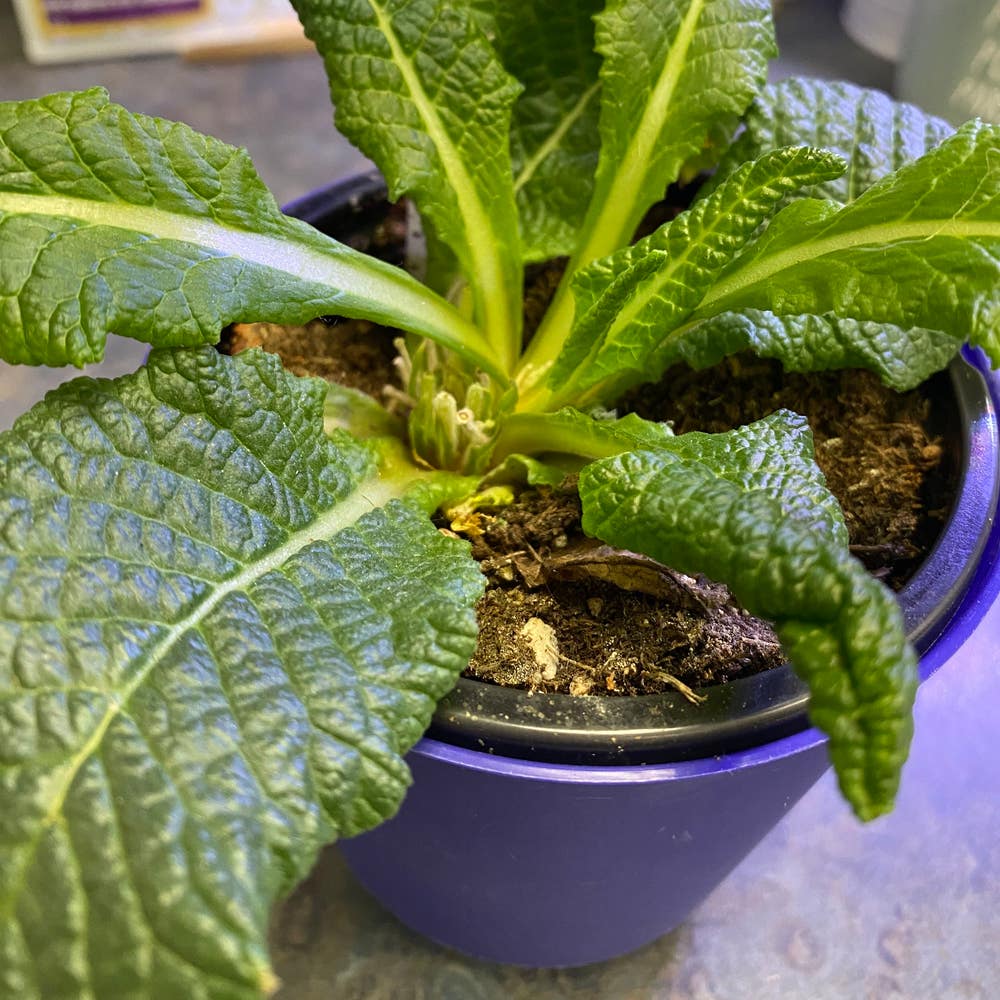
🌼 3 Tips for Caring for Your Cowslip in Winter
Primula veris
By the Greg Editorial Team
Oct 19, 2024•4 min read
This article was created with the help of AI so we can cover more plants for you. May contain errors. See one? Report it here.
Ensure your cowslip thrives this winter 🌱 for a vibrant spring revival and robust growth!
- ❄️ Cowslip survives winter dormancy, slowing growth to conserve energy in harsh conditions.
- 🌱 Mulching and frost cloths protect roots and retain moisture during extreme cold.
- 🌞 Indoor care requires bright light and careful watering to prevent leaf desiccation.
Winter Dormancy in Cowslip
🌱 Characteristics of Dormancy
Dormancy in cowslip is a fascinating survival strategy. During this period, growth significantly slows or completely halts, allowing the plant to conserve energy and resources.
This dormancy is crucial for protecting cowslip from harsh winter conditions. By entering this state, the plant can withstand the cold and emerge stronger when spring arrives.
❄️ How Cowslip Reacts to Cold Temperatures
Cowslip is impressively cold-tolerant, able to withstand temperatures as low as -30°F (-34°C). This resilience is a testament to its adaptability in challenging environments.
The unique rosette formation of its leaves plays a vital role in this survival. This structure helps retain moisture and protects the crown, ensuring the plant remains healthy through winter's chill.
Understanding these characteristics can help you provide better care for your cowslip during the colder months. As we move forward, let’s explore effective winter care techniques to keep your cowslip thriving.
Winter Care Techniques
❄️ Frost Protection Methods
Caring for your cowslip during winter involves protecting it from frost. One effective method is mulching.
Mulching: Apply a layer of organic mulch, about 2-3 inches thick, around the base of the plant. This insulates the roots and helps retain moisture. Recommended materials include straw, shredded leaves, or bark.
Covering: During extreme cold snaps, use frost cloths or burlap to cover your cowslip. Remember to remove these covers during the day to allow sunlight to reach the plants.
💧 Adjusting Watering Schedules During Winter
Watering is crucial, but it requires adjustment in winter.
Watering frequency: Reduce your watering schedule to prevent over-saturation. Always check the soil moisture before watering; the ideal level is slightly damp but not soggy.
Signs of overwatering: Keep an eye out for yellowing leaves and mushy roots, which indicate excess moisture.
🌱 Fertilizing Cowslip in Winter: What to Know
Fertilization plays a key role in your cowslip's health, but timing is everything.
General recommendation: Avoid fertilizing during the dormancy period. This allows the plant to conserve energy.
Timing: Resume fertilization in early spring as growth begins to pick up again.
Type of fertilizer: Opt for a balanced, slow-release fertilizer to support recovery and promote healthy growth.
With these winter care techniques, your cowslip will be well-prepared to thrive when spring arrives. Next, we’ll explore how to provide indoor care for your cowslip during the colder months.
Indoor Winter Care
🌬️ When to Bring Cowslip Indoors
Bringing your cowslip indoors is essential when forecasts predict prolonged freezing temperatures. If your cowslip is in a container, consider moving it inside when temperatures dip below 20°F (-6°C) to protect it from the cold.
🏡 Indoor Care Requirements for Cowslip
💡 Light Requirements
Cowslips thrive in bright environments. Place them near a window that offers indirect sunlight to keep them healthy.
🚰 Watering Indoors
Maintain a similar watering schedule as you would outdoors. Ensure the soil remains slightly moist but not soggy to prevent root rot.
🌫️ Humidity Considerations
Indoor air can be dry, especially in winter. Increase humidity by using a pebble tray or misting the leaves to prevent desiccation and keep your cowslip vibrant.
By following these indoor care tips, you can ensure your cowslip remains healthy throughout the winter months. This preparation will set the stage for a robust recovery come spring.
Spring Preparation and Recovery
🌨️ Signs of Winter Damage in Cowslip
As winter fades, it's essential to check your cowslip for signs of stress. Look out for wilting or browning leaves, which indicate the plant may have struggled during the cold months.
Another red flag is stunted growth or a lack of new shoots. If you notice these symptoms, your cowslip might need some extra care to bounce back.
🌱 Steps for Recovery and Rejuvenation in Spring
Assess the plant: Start by checking for dead or damaged leaves. Remove any that are beyond saving to encourage healthy growth.
Watering: As temperatures rise, gradually increase your watering schedule. This helps the plant adjust to the warmer conditions without overwhelming it.
Fertilization: Apply a balanced fertilizer to give your cowslip the nutrients it needs for new growth. This step is crucial for a strong recovery.
Pruning: Trim back any dead foliage. This not only tidies up the plant but also promotes healthier growth as spring progresses.
By following these steps, you can help your cowslip thrive after winter's challenges. With a little attention, your plant will be ready to flourish in the warmer months ahead.
⚠️ Safety First
This content is for general information and may contain errors, omissions, or outdated details. It is not medical, veterinary advice, or an endorsement of therapeutic claims.
Always consult a qualified healthcare professional before using any plant as food, medicine, or supplement.
Never eat any plant (or feed one to pets) without confirming its identity with at least two trusted sources.
If you suspect poisoning, call Poison Control (800) 222-1222, the Pet Poison Helpline (800) 213-6680, or your local emergency service immediately.
Spotted an error? Please report it here.
Keep your cowslip thriving this winter ❄️ with Greg's tailored watering alerts and expert care tips to ensure a vibrant spring recovery!