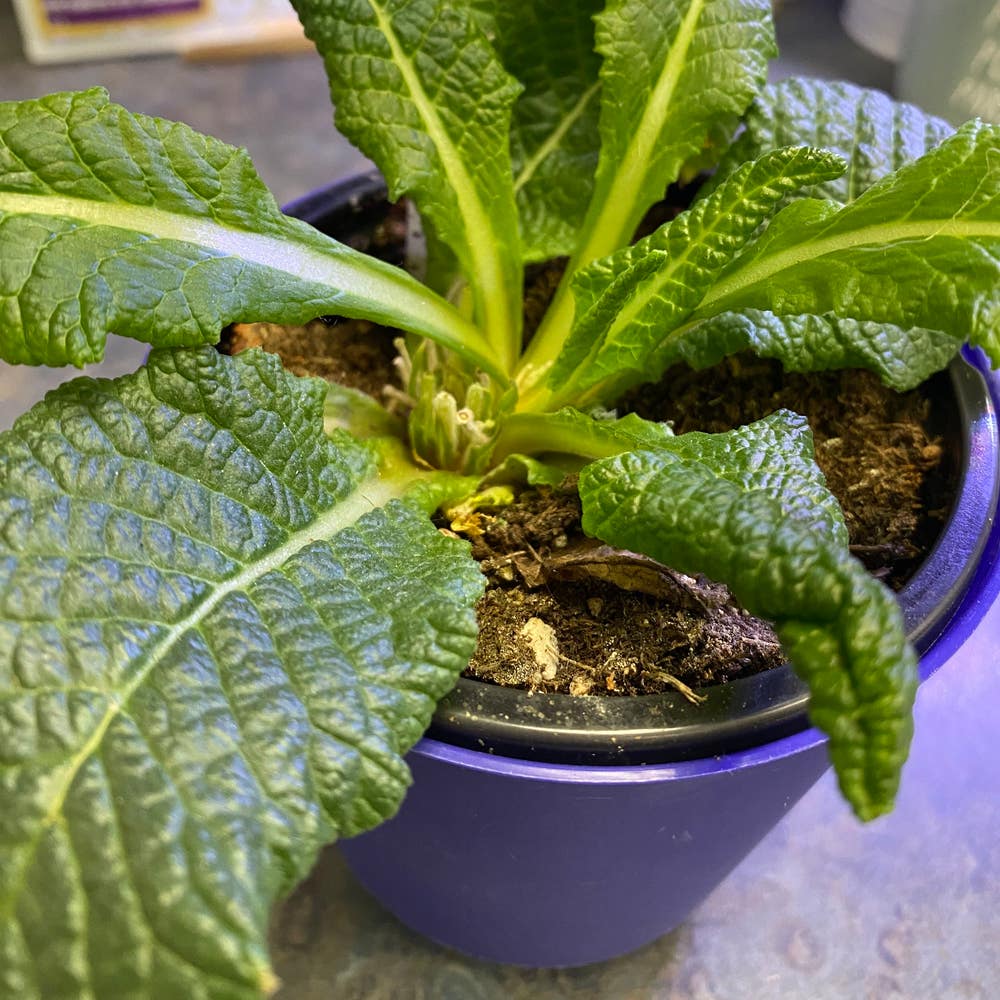
🐄 How to Cure Droopy Leaves on Your Cowslip
Primula veris
By the Greg Editorial Team
Oct 19, 2024•6 min read
This article was created with the help of AI so we can cover more plants for you. May contain errors. See one? Report it here.
Transform your droopy Cowslip into a thriving beauty 🌱 with essential tips on watering, pests, and nutrients!
- 💧 Droopy leaves indicate overwatering or underwatering; adjust care accordingly.
- 🌱 Nutrient deficiencies and pests can weaken Cowslip, causing droopiness.
- 🏡 Well-draining soil and proper watering are essential for healthy Cowslip growth.
Causes of Droopy Leaves
💧 Overwatering
Droopy leaves often signal overwatering, which can manifest as yellowing leaves and soggy soil. When excess water suffocates the roots, it leads to root rot, making the plant unable to thrive.
🚰 Underwatering
On the flip side, underwatering can also cause droopy leaves. If you notice dry, crispy leaves and soil pulling away from the pot edges, your plant is likely dehydrated and in need of water.
🥦 Nutrient Deficiencies
Nutrient deficiencies can weaken your Cowslip, resulting in droopy leaves. Common culprits include nitrogen, potassium, and magnesium, with symptoms like pale leaves and stunted growth.
🐛 Pest Infestations
Pests such as aphids, slugs, and spider mites can sap your plant's vitality. Look for visible insects, leaf damage, or sticky residue, as these signs indicate that pests may be causing the droopiness.
🦠 Disease Issues
Diseases like fungal infections (e.g., powdery mildew) and bacterial wilt can disrupt your plant's ability to absorb water and nutrients. Symptoms include wilting, discoloration, and leaf spots, all of which can lead to droopy leaves.
Understanding these causes is crucial for diagnosing and treating your Cowslip effectively. Next, we’ll explore how to diagnose the specific problem affecting your plant.
Diagnosing the Problem
🌊 Assessing Watering Practices
Signs of Overwatering
If your Cowslip's soil is consistently wet or waterlogged, it's a clear sign of overwatering. You might also notice that the roots appear brown and mushy, indicating potential root rot.
Signs of Underwatering
On the flip side, if the soil is dry and crumbly, your plant is likely underwatered. Leaves will appear wilted and dry, signaling that your Cowslip is in distress.
🏞️ Evaluating Soil Conditions
Soil Drainage
Well-draining soil is crucial for preventing root rot in your Cowslip. To test drainage, pour water into the soil and observe how quickly it absorbs; slow absorption indicates poor drainage.
Soil pH Levels
The ideal pH range for Cowslip is between 6.0 and 7.0. You can easily test this using a soil pH test kit or a pH meter to ensure your plant thrives.
🐛 Identifying Pests and Diseases
Common Pests Affecting Cowslip
Watch out for pests like aphids, which are small, green insects that can be found on leaves. Slugs are another concern; look for visible trails and leaf damage as signs of their presence.
Fungal and Bacterial Diseases
Fungal infections often manifest as white powdery spots on leaves, while bacterial wilt can cause sudden wilting and leaf discoloration. Identifying these issues early is key to effective treatment.
Understanding these diagnostic steps will empower you to take action and restore your Cowslip's health. Next, we’ll explore effective treatment methods to address droopy leaves.
Treating Droopy Leaves
🌊 Immediate Actions to Take
Adjusting Watering Schedule
- Start by determining how often you currently water your Cowslip.
- Adjust your schedule based on soil moisture levels; aim for moist soil, not soggy.
- Consider using the Greg plant care app for AI-powered reminders to keep your watering routine on track.
Soil Amendment Techniques
To improve drainage, incorporate perlite or sand into your soil mix. This simple step can prevent root rot and promote healthier growth.
Additionally, using organic compost can enhance nutrient content, giving your Cowslip the boost it needs to thrive.
🐞 Pest Control Methods
Organic Pest Control Options
For a natural approach, neem oil is an excellent choice. Apply it as a foliar spray to deter pests without harming your plant.
Insecticidal soap is another effective option; it targets pests directly and can help keep your Cowslip healthy.
Chemical Treatments (if necessary)
If you face severe infestations, targeted pesticides may be necessary. Always follow label instructions for application rates and safety to protect both your plant and the environment.
🦠 Disease Management
Identifying and Treating Fungal Infections
Start by removing any affected leaves to prevent the spread of fungal infections. Improving air circulation around your Cowslip can also help.
If needed, apply fungicides to manage the issue effectively and restore your plant's health.
Preventing Bacterial Issues
To avoid bacterial problems, ensure your watering practices are on point to prevent waterlogged conditions.
Also, remember to sanitize your gardening tools regularly; this simple habit can prevent the spread of diseases.
With these steps, you can effectively treat droopy leaves and set your Cowslip on the path to recovery. Next, let’s explore how to prevent future issues for a thriving plant.
Preventing Future Issues
🌊 Best Watering Practices
How to Properly Water Cowslip
Watering your Cowslip correctly is crucial for its health. Aim to water deeply but infrequently, allowing the top inch of soil to dry out between waterings.
Keep an eye on weather conditions, adjusting your watering schedule accordingly. Hot, dry spells may require more frequent watering, while cooler, rainy periods may necessitate less.
Signs of Healthy Watering
Healthy watering practices yield vibrant results. Look for firm, vibrant leaves as a sign your plant is thriving.
The soil should remain moist but never soggy. If it feels waterlogged, it’s time to reassess your watering routine.
🌱 Soil and Nutrient Management
Recommended Fertilizers
To keep your Cowslip flourishing, use a balanced NPK fertilizer during the growing season. This ensures your plant receives the essential nutrients it needs.
Consider organic options like fish emulsion or compost tea for a natural boost. These alternatives can enhance soil health while being gentle on the environment.
Soil Amendments for Optimal Health
Regularly adding organic matter is key to maintaining soil fertility. This practice enriches the soil, promoting robust growth.
Don’t forget to test your soil every 1-2 years. This helps you adjust nutrient levels and ensures your Cowslip has everything it needs to thrive.
🌞 Environmental Considerations
Ideal Sunlight Exposure
Cowslip thrives in partial shade to full sun. Monitor your plant for signs of sunburn, such as scorched leaves, to ensure it’s getting the right amount of light.
Adjust its placement if you notice any distress. Finding the perfect balance can make all the difference.
Temperature and Humidity Preferences
The optimal temperature range for Cowslip is between 15°C to 20°C (59°F to 68°F). Keeping your plant within this range will help it flourish.
Maintaining moderate humidity levels is also essential. This prevents stress and promotes healthy growth, ensuring your Cowslip remains vibrant and strong.
With these preventive measures in place, your Cowslip will be well-equipped to thrive. Next, let’s explore effective treatment options for any issues that may arise.
⚠️ Safety First
This content is for general information and may contain errors, omissions, or outdated details. It is not medical, veterinary advice, or an endorsement of therapeutic claims.
Always consult a qualified healthcare professional before using any plant as food, medicine, or supplement.
Never eat any plant (or feed one to pets) without confirming its identity with at least two trusted sources.
If you suspect poisoning, call Poison Control (800) 222-1222, the Pet Poison Helpline (800) 213-6680, or your local emergency service immediately.
Spotted an error? Please report it here.
Revive your droopy Cowslip and keep it thriving 🌿 with Greg's tailored watering reminders and expert care tips that ensure your plant gets exactly what it needs!