🌻 Getting Your Cowslip to Bloom
Primula veris
By the Greg Editorial Team
Oct 19, 2024•4 min read
This article was created with the help of AI so we can cover more plants for you. May contain errors. See one? Report it here.
Unlock the secrets to vibrant Cowslip blooms 🌼 and explore its fascinating flowering journey!
- 🌼 Cowslip blooms vibrant yellow flowers crucial for reproduction and attracting pollinators.
- 🌞 Ensure 6-8 hours of sunlight and moist soil to encourage blooming.
- 🌱 Environmental stress can shift focus from flowers to foliage; optimize conditions for blooms.
Flowering Status
Clarification on Flower Production 🌼
Cowslip does indeed produce flowers, showcasing vibrant yellow blooms with a distinctive tubular shape. These flowers play a crucial role in the plant's life cycle, aiding in reproduction and attracting pollinators.
Reasons for Non-Flowering 🚫
Several environmental factors can hinder flowering in Cowslip. Poor soil conditions, inadequate sunlight, or extreme temperatures may prevent the plant from blooming.
In some cases, Cowslip may prioritize foliage over flowers. This focus on leaf growth can occur when the plant is stressed or not receiving optimal conditions for flowering.
Understanding these dynamics can help you create a more conducive environment for your Cowslip to thrive and bloom.
If Cowslip Flowers
🌼 Flower Characteristics
Description of Colors and Structure
Cowslip flowers are predominantly yellow, showcasing a vibrant hue that can occasionally vary. Their tubular shape is distinctive, with blossoms arranged in clusters atop a flower spike, creating an eye-catching display.
Self-Pollination vs. External Pollination
Cowslip has the ability to self-pollinate, allowing it to fertilize itself. However, cross-pollination, facilitated by wind and insects, can enhance seed production and genetic diversity.
🌸 Blooming Process
Blooming Stages
The blooming process begins with bud formation, where flower buds develop. This progresses to full bloom, marking the transition from closed buds to open flowers.
Typical Bloom Time
Cowslip typically blooms in spring, with the flowering season lasting several weeks. This seasonal display adds a splash of color to gardens and natural landscapes.
Duration from Bud Formation to Full Bloom
From bud formation to full bloom, the process takes approximately 2-4 weeks. This timeframe allows for a gradual unveiling of the flowers' beauty.
Lifespan of Flowers
Once in full bloom, Cowslip flowers usually last about 2-3 weeks before wilting. This brief lifespan emphasizes the importance of enjoying their beauty while it lasts.
🌱 Encouraging Blooms
Tips to Encourage Cowslip to Bloom
- Ensure adequate sunlight: Aim for 6-8 hours of direct sunlight daily.
- Maintain moist, well-drained soil: Avoid waterlogging to promote healthy growth.
- Fertilization: Use a balanced fertilizer during the growing season to support blooming.
Factors Influencing Flowering
Soil quality, moisture levels, and temperature significantly impact Cowslip's ability to bloom. Ensuring optimal conditions can lead to a more vibrant flowering display.
🌿 Post-Flowering
What Happens After the Flowering Period
After flowering, Cowslip transitions to seed production, with flowers wilting as they mature into seeds. This process is crucial for the plant's reproduction.
Discussion on Whether Cowslip Dies After Flowering
Cowslip is a perennial plant, meaning it does not die after flowering. Instead, it may enter a dormant phase, ready to bloom again in the next season.
🐝 Pollination
Description of Pollination Methods for Cowslip
Cowslip employs both self-pollination and cross-pollination methods. Self-pollination allows for reproduction without external help, while cross-pollination enhances genetic diversity through the assistance of insects and wind.
This understanding of Cowslip's flowering and pollination processes sets the stage for exploring what happens when it doesn't flower. Let's dive into the reasons behind non-flowering and the plant's unique adaptations.
If Cowslip Doesn't Flower
🌿 Primary Ornamental or Functional Features
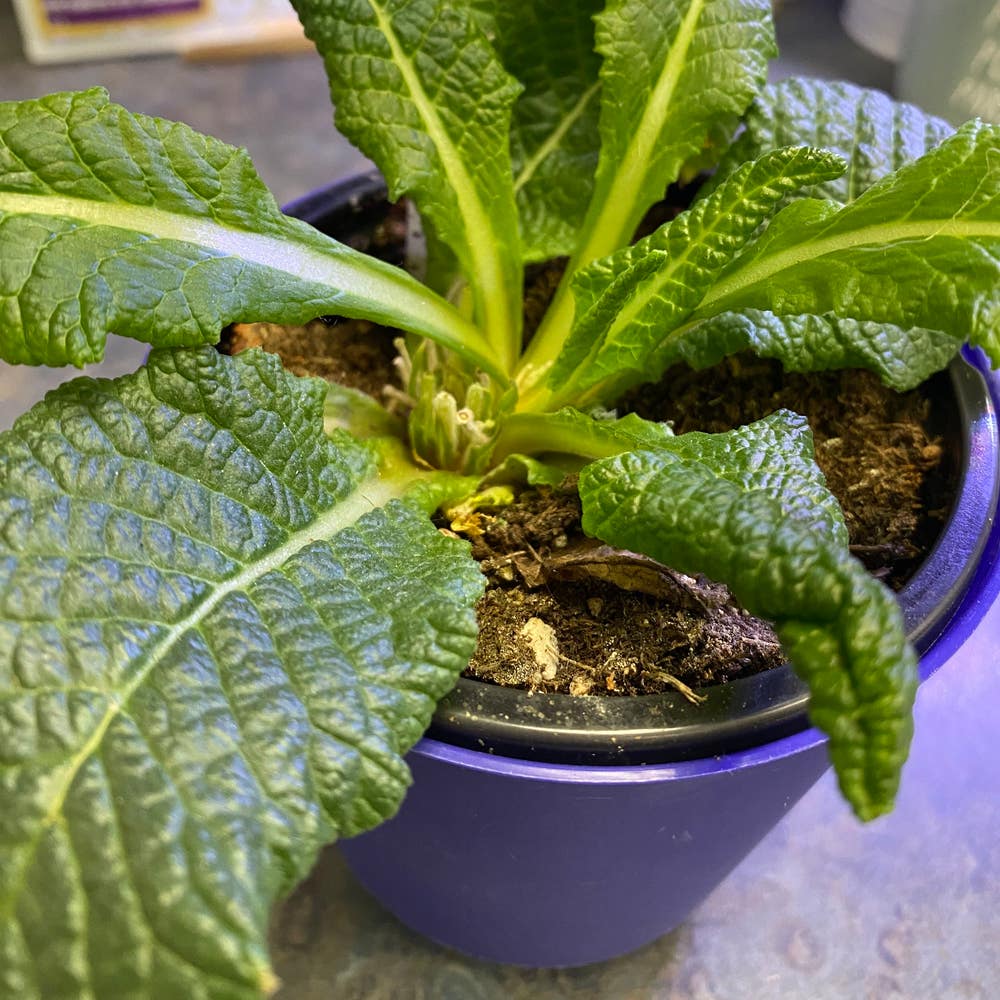
Even when Cowslip doesn’t bloom, its lush foliage remains a highlight in any garden. The attractive leaves provide a vibrant green backdrop that enhances the overall aesthetic.
Additionally, Cowslip has a rich history in herbal remedies and folklore. Its medicinal uses have been celebrated for centuries, making it more than just a pretty plant.
🔄 Explanation of How Cowslip Reproduces Without Flowers
Cowslip can reproduce asexually through vegetative propagation or offsets. This means it can create new plants without the need for flowers.
Moreover, seed production may still occur through self-pollination or cross-pollination when conditions are right. So, even without visible blooms, Cowslip can continue its life cycle effectively.
This resilience showcases the plant's adaptability, ensuring it thrives in various environments.
As we explore the unique aspects of Cowslip, we’ll uncover more about its fascinating reproductive strategies.
Unique Aspects
Unusual Characteristics Related to Flowering or Non-Flowering Nature 🌼
Cowslip has a fascinating life cycle that can lead to non-flowering phases. Environmental stressors, such as drought or poor soil, can cause the plant to prioritize leaf growth over producing flowers.
These adaptations allow Cowslip to thrive in various conditions. By focusing on foliage, the plant conserves energy and resources, ensuring its survival until more favorable conditions arise.
Interesting Facts or Trivia About Cowslip's Reproductive Strategy 📚
Cowslip is steeped in cultural significance, often appearing in folklore and traditional practices. Many cultures have celebrated its beauty and medicinal properties, using it in remedies for various ailments.
Historically, Cowslip has played a role in herbal medicine, symbolizing healing and renewal. Its unique reproductive strategies, including self-pollination, ensure that it can continue to flourish even in challenging environments.
Understanding these unique aspects of Cowslip not only enriches our appreciation for the plant but also highlights its resilience and adaptability. As we explore the next section, we’ll delve deeper into the fascinating world of Cowslip's pollination methods.
⚠️ Safety First
This content is for general information and may contain errors, omissions, or outdated details. It is not medical, veterinary advice, or an endorsement of therapeutic claims.
Always consult a qualified healthcare professional before using any plant as food, medicine, or supplement.
Never eat any plant (or feed one to pets) without confirming its identity with at least two trusted sources.
If you suspect poisoning, call Poison Control (800) 222-1222, the Pet Poison Helpline (800) 213-6680, or your local emergency service immediately.
Spotted an error? Please report it here.
Unlock your Cowslip's blooming potential 🌼 by ensuring it gets enough sunlight and moisture, and let Greg guide you with tailored care reminders for vibrant flowers!