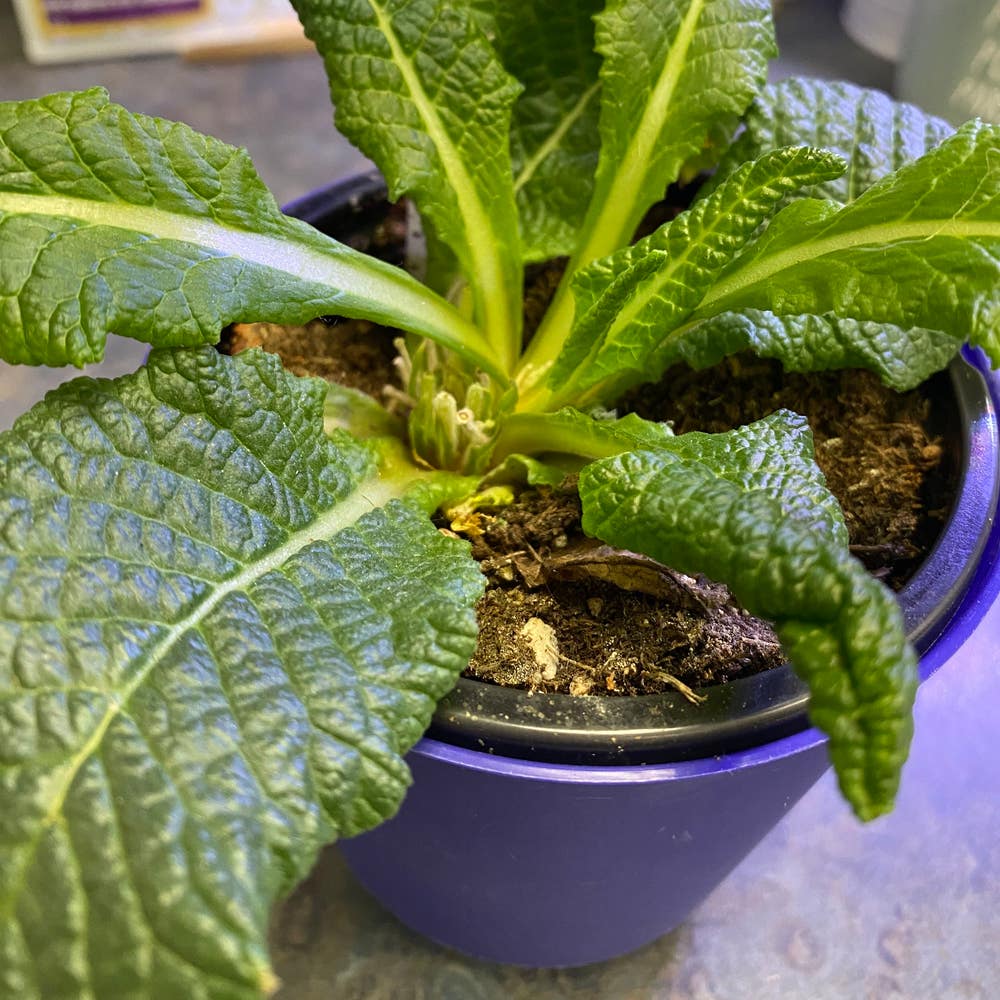
8 Ideal Locations to Plant Your Cowslip 🐄
Primula veris
By the Greg Editorial Team
Oct 19, 2024•4 min read
This article was created with the help of AI so we can cover more plants for you. May contain errors. See one? Report it here.
Cultivate stunning Cowslip blooms 🌼 by mastering sunlight, soil, and companion planting for a flourishing garden!
- 🌞 Cowslip needs 4-6 hours of sunlight; shade helps in hotter climates.
- 🌱 Well-drained, moist soil with pH 6.0-7.0 is ideal for Cowslip growth.
- 🌬️ Wind protection is crucial; use natural or artificial barriers for healthier plants.
Sunlight Exposure
🌞 Full Sun vs. Partial Shade
Cowslip flourishes in full sun to partial shade, needing at least 4-6 hours of direct sunlight each day. In hotter climates, providing some shade can prevent leaf scorch and promote healthier growth.
🌤️ Assessing Sunlight Patterns
To find the best planting spots, observe sunlight patterns throughout the day. A sun calculator or shadow mapping can help you identify areas that receive adequate light.
Consider seasonal changes in sunlight exposure, as trees and structures may cast shadows differently throughout the year. This awareness will ensure your Cowslip gets the light it craves, leading to vibrant blooms and robust growth.
By understanding sunlight exposure, you set the stage for a thriving garden. Next, let’s explore the ideal soil types and conditions that will further enhance your Cowslip's growth.
Soil Type and Conditions
Preferred Soil Types 🌱
Cowslip flourishes in well-drained, moist soil that’s rich in organic matter. The best soil types for planting include loamy or sandy soils, which retain moisture without becoming waterlogged.
Soil pH and Drainage ⚖️
For optimal growth, aim for a soil pH between 6.0 and 7.0. Good drainage is crucial to prevent root rot; if your soil struggles with drainage, consider using raised beds or mounds.
Conducting a soil test can provide valuable insights into nutrient levels. This allows you to amend the soil as necessary, ensuring your Cowslip has the best possible growing conditions.
Understanding these soil requirements will set the stage for successful planting. Next, let’s explore how the proximity to other plants can enhance your Cowslip garden.
Proximity to Other Plants
🌼 Companion Planting
Cowslip thrives when planted alongside other wildflowers and plants that attract pollinators. Consider companions like other Primula species, cheerful daisies, and fragrant herbs such as thyme and chamomile.
These plants not only enhance the beauty of your garden but also create a vibrant ecosystem that supports beneficial insects. This synergy can lead to healthier growth and more abundant blooms.
🚫 Avoiding Overcrowding
To ensure your Cowslip flourishes, it's crucial to maintain adequate spacing between it and neighboring plants. Aim for a distance of 12-18 inches apart; this allows for healthy growth and sufficient airflow.
Overcrowding can lead to competition for nutrients and light, stunting your plants' development. By giving each plant room to breathe, you set the stage for a thriving garden.
As you plan your planting strategy, remember that the right companions and spacing can make all the difference in your Cowslip's success. Next, let’s explore how to assess the best spot for your plants by evaluating microclimates.
Assessing the Best Spot
🌤️ Evaluating Microclimates
Understanding microclimates in your garden is crucial for Cowslip growth. Identify warm and cool areas, as these subtle differences can significantly impact how well your plants thrive.
Utilize walls, fences, or hedges to create sheltered spots. These structures can provide warmth and protection from harsh winds, ensuring your Cowslip flourishes.
🧱 Using Walls and Fences
South-facing walls are particularly beneficial for planting Cowslip. They offer additional warmth and light, creating an ideal microenvironment for growth.
When selecting fences, consider their height and material. Ensure they allow enough sunlight to reach your plants while still providing necessary protection from wind.
As you assess your garden, remember that the right spot can make all the difference in your Cowslip's health and vibrancy. With careful planning, you can create a thriving environment for these beautiful flowers.
Next, let’s explore how to protect your Cowslip from wind damage.
Wind Protection
Importance of Windbreaks 🌬️
Wind can be a significant threat to Cowslip, particularly during its flowering stage. Protecting these delicate plants from strong gusts is crucial for their health and vitality.
Natural vs. Artificial Wind Protection 🌳
Consider using natural windbreaks like shrubs or trees to shield your Cowslip from harsh winds. They not only provide protection but also enhance the garden's aesthetic.
For additional support, artificial windbreaks such as garden screens or trellises can be effective. Just be mindful that these structures don’t cast too much shade on your Cowslip, as they still need ample sunlight to thrive.
Incorporating wind protection strategies will help ensure your Cowslip flourishes beautifully. Next, let’s explore how to assess the best spot for planting these vibrant flowers.
⚠️ Safety First
This content is for general information and may contain errors, omissions, or outdated details. It is not medical, veterinary advice, or an endorsement of therapeutic claims.
Always consult a qualified healthcare professional before using any plant as food, medicine, or supplement.
Never eat any plant (or feed one to pets) without confirming its identity with at least two trusted sources.
If you suspect poisoning, call Poison Control (800) 222-1222, the Pet Poison Helpline (800) 213-6680, or your local emergency service immediately.
Spotted an error? Please report it here.
Maximize your Cowslip's potential with smart planting choices 🌞 and let Greg guide you with tailored tips and reminders for a flourishing garden!