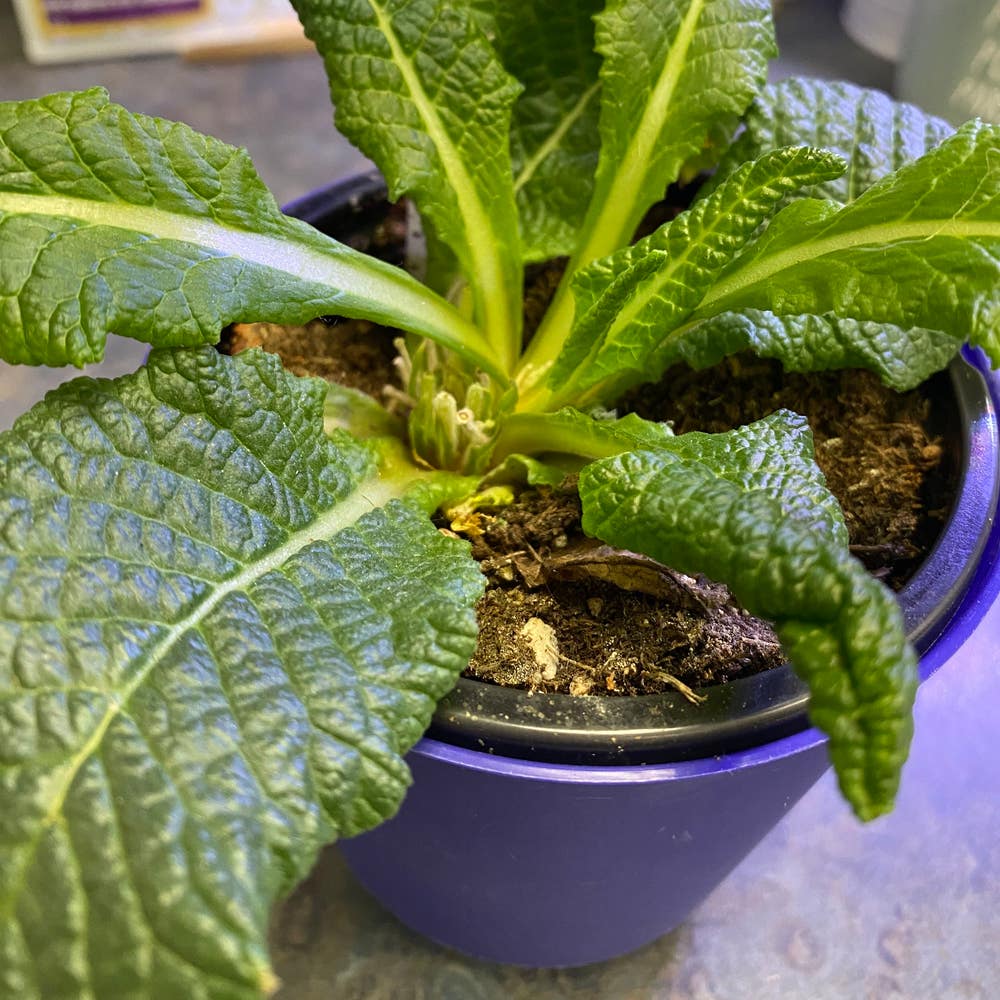
Managing Leaf Drop on Your Cowslip 🐄
Primula veris
By the Greg Editorial Team
Oct 19, 2024•4 min read
This article was created with the help of AI so we can cover more plants for you. May contain errors. See one? Report it here.
Prevent leaf drop 🌱 and keep your cowslip thriving with these essential care tips for vibrant growth!
- 💧 Water when the top inch is dry to prevent leaf drop in cowslip.
- 🌞 Cowslip needs 4-6 hours of sunlight; too much can scorch leaves.
- 🐛 Regularly inspect for pests and use organic methods for effective control.
Preventing Leaf Drop
🌊 Proper Watering Techniques
Watering Frequency
To keep your cowslip thriving, water when the top inch of soil feels dry. This simple guideline helps prevent both under-watering and waterlogged conditions, which can lead to leaf drop.
Techniques
Deep watering is essential; it ensures moisture penetrates down to the roots. Consider using well-draining pots or garden beds to facilitate proper drainage and promote healthy growth.
🌱 Soil Requirements and Amendments
Ideal Soil Composition
Cowslip flourishes in well-draining, fertile loam. To enhance soil quality, mix in compost or peat moss, which provides essential nutrients and improves moisture retention.
Soil Testing
Regular soil testing is crucial for understanding pH and nutrient levels. Based on test results, amend your soil accordingly to create the ideal environment for your plants.
☀️ Ideal Light Conditions
Light Preferences
Cowslip prefers 4-6 hours of sunlight daily. However, be cautious; too much direct sunlight can scorch the leaves and lead to stress.
Adjusting Light Exposure
During extreme heat, use shade cloths to protect your plants. Rotating pots can also help ensure even light distribution, promoting balanced growth and preventing leaf drop.
By implementing these preventive measures, you can create a nurturing environment for your cowslip. This foundation will set the stage for effective treatment strategies if leaf drop occurs later.
Treating Leaf Drop
Step-by-Step Guide to Treatment
Assess Watering Practices
Start by checking the soil moisture levels. If the top inch is dry, adjust your watering schedule to ensure your cowslip gets the hydration it needs.Inspect for Pests
Look closely for signs of pests like aphids or slugs. If you find any, use appropriate pest control methods to keep your plants healthy.Evaluate Soil Conditions
Test the soil for drainage issues. If you discover problems, amend the soil to improve its structure and moisture retention.
🐛 Recommended Treatments for Pests and Diseases
Pest Control Methods
Consider organic options like neem oil or insecticidal soap for effective pest management. For slugs, handpicking can be a straightforward and eco-friendly solution.
Disease Management
For fungal issues, treatments like copper fungicide or a baking soda solution can be effective. Additionally, improving air circulation around your plants helps prevent disease.
🌱 Fertilization Practices to Support Leaf Health
Fertilization Schedule
Fertilize your cowslip every 4-6 weeks during the growing season. A balanced NPK fertilizer, such as 10-10-10, will provide the nutrients needed for robust growth.
Signs of Over-Fertilization
Watch for signs of leaf burn, like brown tips and edges. If you notice these symptoms, adjust your fertilization practices based on your plant's response.
By following these steps, you can effectively treat leaf drop and promote a healthy, thriving cowslip. Next, let’s explore seasonal considerations to further enhance your plant care strategy.
Seasonal Considerations
🌱 Seasonal Changes and Their Impact
Spring Growth
Spring is a crucial time for your cowslip. Monitoring new growth is essential as temperatures rise, ensuring your plant thrives.
Summer Heat
As summer approaches, managing heat stress becomes vital. Consistent watering is key to keeping your cowslip healthy during these hotter months.
❄️ Winter Care to Prevent Leaf Drop
Protecting from Frost
Frost can be detrimental to your cowslip. Use methods like mulching or covering with cloth to shield your plants, and consider bringing potted varieties indoors.
Watering Adjustments
During winter, reduce your watering frequency as the plant enters dormancy. Watch for signs of overwatering, such as yellowing leaves, to avoid damaging your cowslip.
🌼 Spring Growth and Leaf Management
Encouraging Healthy Growth
As spring unfolds, prune any dead or damaged leaves to promote new growth. Fertilization practices during this time can significantly boost your plant's vitality.
Monitoring for Pests
Increased vigilance is necessary during active growth periods. Early intervention strategies can help you tackle any pest issues before they escalate.
By understanding these seasonal considerations, you can effectively manage your cowslip's health throughout the year. This proactive approach will ensure your plant remains vibrant and resilient, ready to flourish in every season.
Common Misconceptions
🌿 Myths About Leaf Drop
One common misconception is that leaf drop is always due to pests. In reality, environmental factors like temperature, humidity, and light exposure can significantly impact your cowslip's health.
Another myth is that cowslip requires constant moisture. Overwatering can actually harm the plant, leading to root rot and further leaf drop.
🧑🌾 Clarifying Care Practices
Proper drainage is crucial for healthy cowslip growth. Ensuring your plant has well-draining soil prevents water from pooling, which can lead to various issues.
Seasonal changes also play a vital role in leaf health. Understanding how different seasons affect your plant can help you adjust care practices accordingly.
Lastly, it's important to recognize that some leaf drop is natural. Not every leaf falling is a cause for alarm; it's part of the plant's life cycle.
With these clarifications, you can approach cowslip care with confidence and a better understanding of what to expect.
⚠️ Safety First
This content is for general information and may contain errors, omissions, or outdated details. It is not medical, veterinary advice, or an endorsement of therapeutic claims.
Always consult a qualified healthcare professional before using any plant as food, medicine, or supplement.
Never eat any plant (or feed one to pets) without confirming its identity with at least two trusted sources.
If you suspect poisoning, call Poison Control (800) 222-1222, the Pet Poison Helpline (800) 213-6680, or your local emergency service immediately.
Spotted an error? Please report it here.
Keep your cowslip thriving 🌱 by using Greg for tailored watering reminders and soil tips that prevent leaf drop and promote vibrant growth!