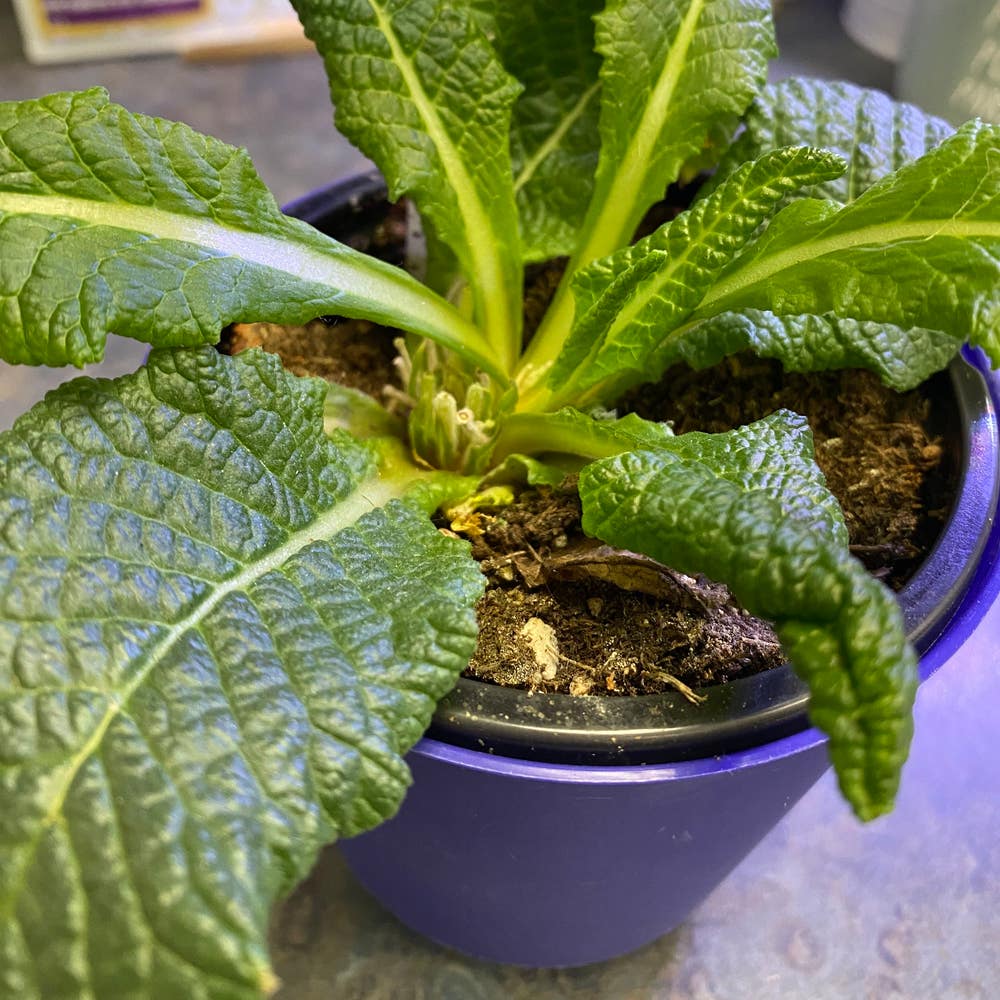
🐛 What To Do About Bugs on My Common Cowslip?
Primula veris
By the Greg Editorial Team
Mar 08, 2024•4 min read
This article was created with the help of AI so we can cover more plants for you. May contain errors. See one? Report it here.
Protect your Cowslip from bug bullies 🐛 with top-notch, plant-saving tactics! 🌿
- 🐞 Identify pests early to prevent damage to your Common Cowslip.
- Use specific treatments like neem oil or rubbing alcohol for each pest.
- Prevent infestations with regular checks and beneficial insects.
Spot the Invaders: Identifying Common Cowslip Pests
🕷️ Spider Mites: The Sneaky Sap-Suckers
Spotting the signs
Tiny webs and discolored, speckled leaves are your red flags for spider mites. These pests are like invisible vampires, quietly draining the life from your Cowslip.
The damage done
Spider mite damage can be severe. They suck the sap, leaving your plant looking like it's been through a drought, even when watered regularly.
🦟 Scale: The Sticky Freeloaders
Unwanted armor
Scale insects disguise themselves as harmless bumps on stems and leaves. They're the freeloaders of the insect world, sticking to your plant and not paying rent.
The toll on Cowslip
Scale can seriously weaken your plant. Look for yellowing leaves and stunted growth as signs that these pests are overstaying their welcome.
🦟 Fungus Gnats and Fruit Flies: The Frustrating Fliers
Catching them in the act
If you see tiny flies around your Cowslip or notice larvae in the soil, you've got fungus gnats or fruit flies. They're the uninvited guests that just love your overwatered soil.
The buzz on harm
These pests are more than just annoying. They can disturb your Cowslip's peace, leading to unhealthy growth and a stressed-out plant.
🐛 Mealybugs: The Fluffy Fiends
White warning signs
Mealybugs leave fluffy, white deposits that scream "infestation." It's like your plant is hosting a cotton ball party, and everyone's invited.
The fluffy scourge
These pests are sap-suckers that can quickly drain your Cowslip's vitality. If you see a cottony mess, it's time to take action before they multiply.
Bug Busting: Effective Remedies for Each Pest
🕷️ Spider Mites: Wiping Out the Web-Weavers
Blast the Webs
A forceful stream of water dislodges spider mites and their delicate webs. Neem oil and insecticidal soaps are the next line of defense. Apply liberally to ensure no mite is left behind.
Chemical Solutions
For persistent problems, consider miticides like bifenthrin or permethrin. Always follow label instructions to protect your plant and the environment.
⚖️ Scale: Scrubbing Off the Sticky Pests
Alcohol Swabbing
Rubbing alcohol on a cotton swab is a precise strike against scale. Direct contact is vital.
Soapy Water Mix
A mixture of soapy water and oil can act as a non-toxic eviction notice. Ensure thorough coverage for maximum effect.
🦟 Fungus Gnats and Fruit Flies: Grounding the Gnats
Sticky Traps
Place sticky traps near your Cowslip to catch adult gnats and fruit flies. It's a monitoring tool as much as a control method.
Soil Drying
Allowing the soil to dry out between waterings breaks the life cycle of these pests. It's a simple yet effective tactic.
Nematode Reinforcements
Introduce beneficial nematodes to the soil to target the larvae. These microscopic allies are nature's hitmen against gnats.
🐛 Mealybugs: Erasing the Cottony Clusters
Alcohol Treatment
A dab of rubbing alcohol on these pests can be a quick fix. It's like hitting them with a tiny sledgehammer.
Neem Oil
Neem oil offers a gentler, yet effective solution. It smothers mealybugs without harsh chemicals.
Pruning
Remove heavily infested areas to prevent spread. It's like cutting off the enemy's supply lines.
Prevention: Keeping Your Cowslip Pest-Free
🕵️ Routine Checks: The First Line of Defense
Regular inspections are crucial in the fight against pests. Think of it as your plant's personal bodyguard service. By examining your Common Cowslip frequently, you can catch those pesky bugs before they throw a full-blown rave. Pay special attention to the undersides of leaves and the nooks of stems—favorite hideouts for the insect underworld.
🌿 Cultural Practices: Creating an Unwelcoming Environment
Keep it clean, folks. A tidy plant space is like a cold shower for pests—it's a real buzzkill. Quarantine new plants because, let's face it, they might be harboring some freeloading bugs. And remember, overwatering is like sending out an open invitation to a pest house party. Keep the soil conditions just right to avoid unwanted guests.
🐞 Natural Allies: Using Beneficial Insects
Time to enlist some six-legged soldiers. Beneficial insects are nature's own pest control agents. Introducing predators like ladybugs into your plant's environment is like having your own private bug bouncers. They'll help keep the peace without you having to resort to the chemical warfare of pesticides.
⚠️ Safety First
This content is for general information and may contain errors, omissions, or outdated details. It is not medical, veterinary advice, or an endorsement of therapeutic claims.
Always consult a qualified healthcare professional before using any plant as food, medicine, or supplement.
Never eat any plant (or feed one to pets) without confirming its identity with at least two trusted sources.
If you suspect poisoning, call Poison Control (800) 222-1222, the Pet Poison Helpline (800) 213-6680, or your local emergency service immediately.
Spotted an error? Please report it here.
Ensure your cowslip stays pest-free 🐞 with Greg's tailored reminders for inspections and natural pest treatments from this guide!