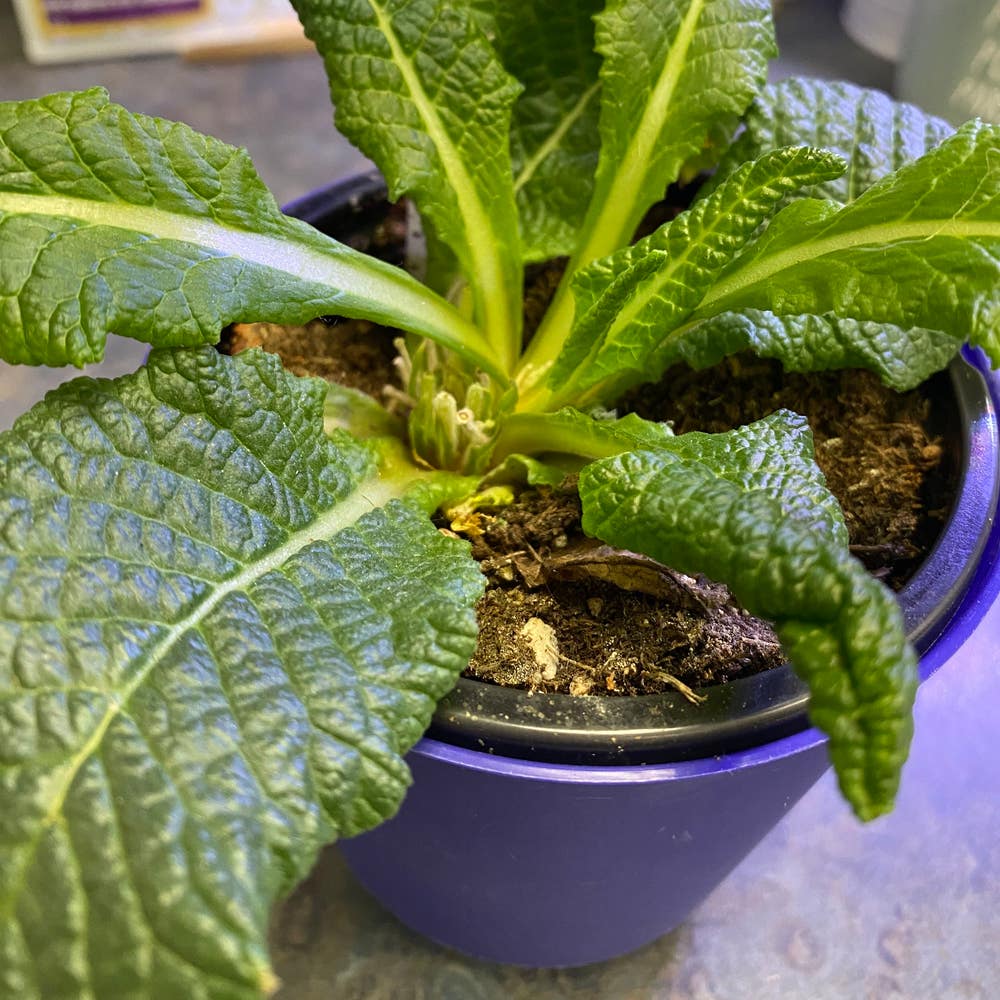
How Much Should I Water My Common Cowslip?
Primula veris
By the Greg Editorial Team
Mar 08, 2024•4 min read
This article was created with the help of AI so we can cover more plants for you. May contain errors. See one? Report it here.
Nurture vibrant cowslips to perfection with our foolproof watering guide. 🌼🚿
- Check soil moisture before watering; use the finger test.
- Adjust watering to climate, temperature, and growth stage.
- Spot trouble early: yellow leaves and soggy base signal overwatering.
When to Water Your Cowslip: Timing is Everything
💧 Reading the Soil's Mood
Before you water your cowslip, dive into the soil with your finger. If the top inch feels like a dry handshake, it's time to hydrate. For a less messy option, a wooden chopstick or moisture meter can be your guide.
🌡️ Climate Calls: Adapting to Your Environment
Your cowslip's thirst adjusts with the mercury. In sweltering summers, water might be a daily dialogue, while in the chill of winter, it's more of a weekly check-in. Keep an eye on the sky and tweak your watering rhythm accordingly.
🌱 Growth and Dormancy: Listening to Your Plant's Lifecycle
When your cowslip is in the throes of growth, it'll drink like a teenager after sports practice. But come dormancy, it sips like a nun at a wine tasting. Match your watering to its life stage for peak plant happiness.
How to Water Cowslip: Techniques for Hydration without Harm
💧 The Art of Even Watering
Cowslip craves consistency. To achieve even moisture distribution, use a watering can with a long spout, targeting the base of the plant and avoiding the foliage. This minimizes the risk of fungal diseases and ensures water reaches the roots, not just the surface. Water slowly, allowing the soil to absorb moisture without runoff.
🚱 The Perils of Overzealous Watering
Root rot is a silent killer in the world of cowslips. Prevent this by watering only when the top inch of soil is dry to the touch. If your cowslip's leaves are yellowing or the plant seems lethargic, ease up on the watering. Ensure the soil is well-draining; if not, consider repotting with a mix that allows better drainage.
🏜️ The Drought Dilemma
Underwatering can leave cowslips gasping for moisture. If you've been neglectful, don't just flood the plant; rehydrate gradually. Increase watering frequency bit by bit, allowing the plant to recover without stress. Observe your cowslip's response, and adjust accordingly to find the sweet spot for watering.
Spotting Trouble: Signs Your Cowslip is Thirsty or Drowning
💦 SOS from Overwatered Cowslip
Yellowing leaves and a soggy base are telltale signs your cowslip might be getting too much H2O. If your plant's pot feels like a heavyweight, it's time to cut back on the water. Root rot is the silent killer here; if you spot any black or mushy roots, it's surgery time. Trim the damaged parts and repot in fresh, well-draining soil. Remember, less is often more when it comes to watering.
🏜️ The Cry of the Thirsty Cowslip
Conversely, leaves that crisp up or droop without dry soil are your cowslip's way of saying it's parched. Touch the soil; if it's bone-dry, it's time for a drink. Don't wait for your cowslip to start looking like a piece of forgotten lettuce at the back of the fridge. Regular, even watering is key, but don't turn your plant into a swamp creature.
Tailoring Watering Practices: Pots vs. Garden Beds
🌱 Container Cowslip Care
Pot size and soil type are pivotal for potted cowslips. Small pots dry out faster, demanding more frequent watering. Conversely, large pots can lead to soggy soil, a precursor to root rot. Terracotta pots allow soil to dry out quicker, while plastic ones retain moisture longer.
Drainage is non-negotiable. Ensure your pot has adequate drainage holes to prevent water from pooling at the bottom. Overwatering is a silent killer; your cowslip's roots can drown in stagnation. If heavy rainfall is a frequent guest, consider moving your potted cowslip to a sheltered area temporarily.
🌿 Garden-Planted Cowslip Guidance
In-ground cowslips have different thirst levels. They benefit from the earth's natural moisture balance, which means they often require less frequent watering than their potted counterparts. However, this is not a free pass to neglect; monitor soil moisture regularly.
Competition is real in the garden bed. Your cowslip is sharing its space with neighbors, and they're all vying for a drink. Be mindful of this dynamic and adjust watering accordingly. Remember, the goal is to achieve even soil moisture, not to create a mini wetland.
Seasonal changes can't be ignored. During the summer, your cowslip might need more water due to increased evaporation rates. In contrast, cooler months might call for a reduced watering schedule. Stay observant and responsive to your plant's needs.
⚠️ Safety First
This content is for general information and may contain errors, omissions, or outdated details. It is not medical, veterinary advice, or an endorsement of therapeutic claims.
Always consult a qualified healthcare professional before using any plant as food, medicine, or supplement.
Never eat any plant (or feed one to pets) without confirming its identity with at least two trusted sources.
If you suspect poisoning, call Poison Control (800) 222-1222, the Pet Poison Helpline (800) 213-6680, or your local emergency service immediately.
Spotted an error? Please report it here.
Nurture your common cowslip to peak health by scheduling your watering 💧 with Greg's custom reminders, based on your specific environment and the plant's needs.