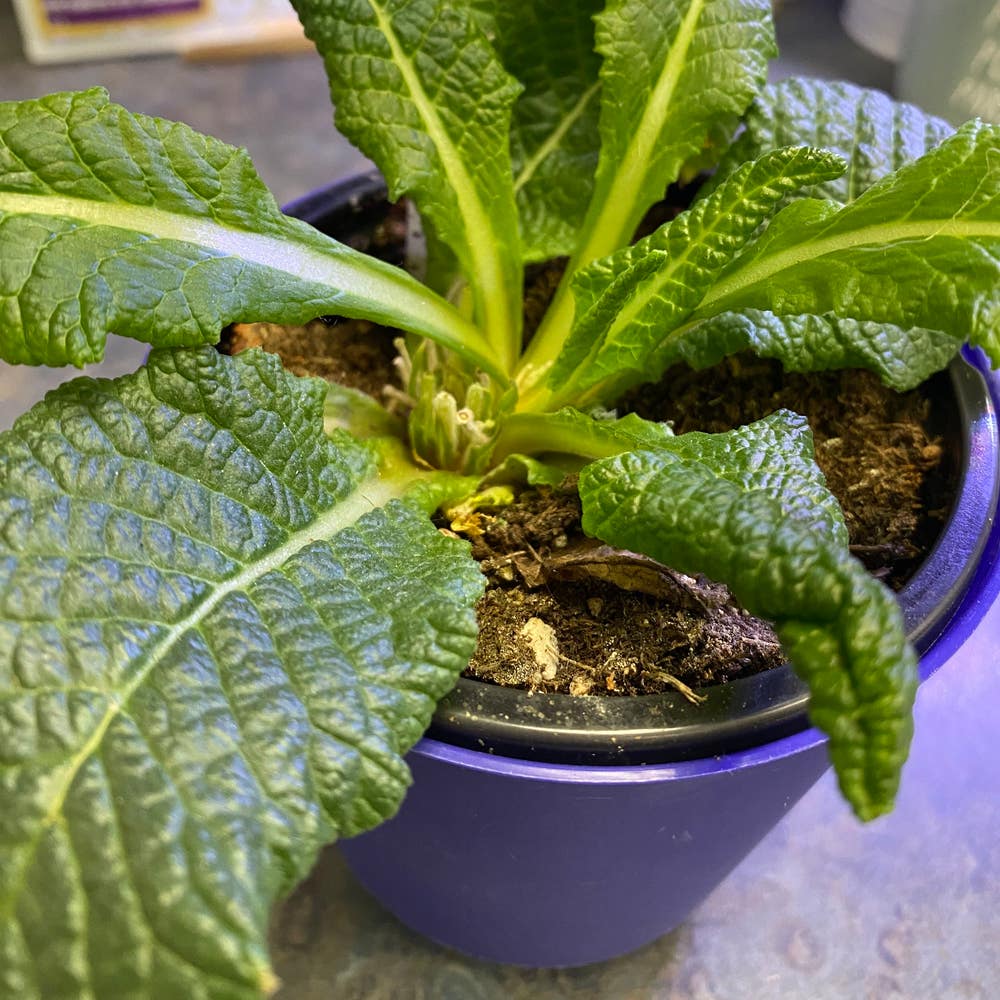
💧 Why Are My Common Cowslip Leaves Mushy?
Primula veris
By the Greg Editorial Team
Mar 08, 2024•4 min read
This article was created with the help of AI so we can cover more plants for you. May contain errors. See one? Report it here.
Save your Cowslip from mushy mayhem 🍂 with these essential plant care revelations!
- Overwatering signs: Mushy leaves, sticky soil. Let soil dry before re-watering.
- Fungal issues: Use fungicides or sphagnum moss, and improve airflow to combat.
- Soil and climate: Check soil quality, maintain 60-80% humidity, and ensure good air circulation.
When Water Gets Too Cozy: Tackling Overwatering
🚱 Spotting the Signs of Overwatering
Mushy leaves on your Common Cowslip? That's a classic cry for help. Look for leaves that have gone from firm to squishy, sporting a less-than-ideal bloated look. If the soil sticks to your fingers like an overzealous handshake, it's a sign you've been too generous with the watering can. Yellowing leaves and a base that feels like a damp sponge are your plant's way of saying, "I'm drowning here!"
Fine-Tuning Your Watering Routine
First, dial back on the H2O. Let the soil dry out a bit before you even think about reaching for that watering can again. Ensure your pot has drainage holes that aren't just for show; they should be the escape route for excess water. Consider a gritty, well-draining soil mix that doesn't hold onto moisture like a grudge. And if you're the forgetful type, a moisture meter could be your new best friend, giving you the lowdown on when it's actually time to water.
Fungal Foes: Battling Leaf Mushiness
🍄 Recognizing Fungal Culprits
Mushy leaves can signal a fungal invasion in your Common Cowslip. Powdery mildew dresses leaves in a ghostly white, while anthracnose leaves dark, sunken spots. Rust brings its own palette with rust-colored pustules. Vigilance is key; early detection means a better chance of saving your plant.
🦠 Fungicide to the Rescue
Once you've spotted these troublemakers, it's time for action. Fungicides are your go-to defense. Copper-based options are a crowd favorite, but they're not one-size-fits-all. Always read the label—it's your roadmap to plant recovery. For organic warriors, consider sphagnum moss with its natural antibacterial properties. Remember, rotating your fungicides is like a good DJ mixing tracks—it keeps resistance at bay. And don't forget, airflow is your plant's ally against the damp conditions fungi love.
Soil Sleuthing: Unearthing Root Causes
🕵️ Assessing Soil Quality
Soil is the bedrock of your Common Cowslip's health. If leaves are mushy, it's time to play detective with the dirt. Sniff your soil; a foul odor is your first clue to trouble. Roots should be firm and robust, not soft or discolored. A soil that's constantly soggy or dry as dust needs a second look. It's about balance—your soil should be moist, but never waterlogged.
🌱 Upgrading Your Soil Game
Organic matter is your soil's best friend. Adding compost or manure can transform tired earth into a nutrient-rich haven. Ensure proper drainage; if water isn't escaping, neither can your plant's problems. Consider the cocktail party rule for watering—enough to stay merry, not enough to pass out. If your soil feels more like concrete than a sponge, it's time for a mix-up. Aim for a gritty, sandy loam; it's like a cozy, breathable bed for your plant's roots.
Climate Control: Environmental Tweaks to Save Your Leaves
🌡️ Balancing Humidity and Temperature
Humidity and temperature are the dynamic duo of plant health. For Common Cowslip, think of maintaining a tropical holiday climate all year round. 60-80% humidity is your target; it's the sweet spot where leaves stay plump but not soggy. If your home's air is as dry as a cracker, it's time to bring in a humidifier or set up a pebble tray. Temperature-wise, keep it steady. Wild swings are a no-no; aim for a consistent 60-80°F (16-27°C). Avoid placing your plant near heaters or chilly windows, as these can be the villains of the piece.
💨 Airflow Matters
Good air circulation is like an invisible shield against leaf mush. It's not about creating a leaf-flapping gale; think more of a gentle breeze. A strategically placed fan or a slightly open window can work wonders. This keeps the air fresh and prevents moisture from throwing a party on your leaves—a party where fungi are the uninvited guests. Remember, airflow is about prevention, not cure. Keep it flowing to stop problems before they start. Rotate your pots occasionally to ensure all sides get their fair share of this good stuff.
⚠️ Safety First
This content is for general information and may contain errors, omissions, or outdated details. It is not medical, veterinary advice, or an endorsement of therapeutic claims.
Always consult a qualified healthcare professional before using any plant as food, medicine, or supplement.
Never eat any plant (or feed one to pets) without confirming its identity with at least two trusted sources.
If you suspect poisoning, call Poison Control (800) 222-1222, the Pet Poison Helpline (800) 213-6680, or your local emergency service immediately.
Spotted an error? Please report it here.
Prevent mushy leaves on your common cowslip by letting Greg orchestrate 🎼 your plant's watering and environmental needs with precision and ease.