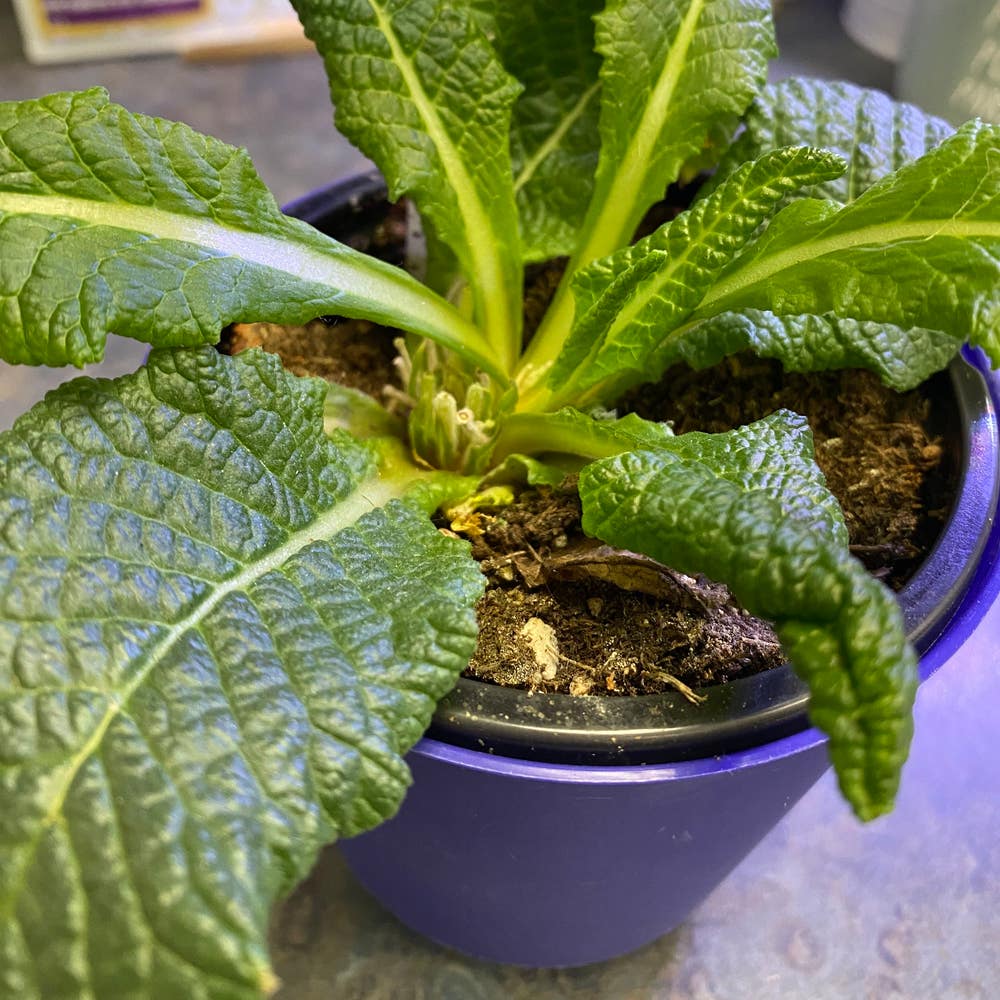
🐄 When and How to Repot Cowslip
Primula veris
By the Greg Editorial Team
Oct 19, 2024•6 min read
This article was created with the help of AI so we can cover more plants for you. May contain errors. See one? Report it here.
Transform your Cowslip's health 🌱 with these essential repotting tips for vibrant growth and blooms! 🌼
- 🌱 Signs your Cowslip needs repotting: Look for root-bound indicators and stunted growth.
- 🕒 Best times to repot: Early spring or late summer minimizes stress on the plant.
- 🌿 Choose the right pot size: Opt for 1-2 inches larger to prevent overpotting issues.
Signs That Cowslip Needs Repotting
🌱 Cowslip Repotting Signs
Recognizing when your Cowslip needs repotting is crucial for its health. Look for roots growing out of drainage holes or circling the pot; these are clear indicators of a root-bound condition.
Additionally, if the soil appears compacted or drains poorly, it may signal nutrient depletion. Stunted growth, such as a lack of new leaves or flowers, can also suggest that your plant is ready for a new home. Lastly, wilting or yellowing leaves often indicate stress, hinting that your Cowslip may need more space to thrive.
⏰ Best Time to Repot Cowslip
Timing is everything when it comes to repotting. The ideal windows are early spring or late summer, as these periods allow the plant to adjust without the stress of full bloom.
Avoid repotting during extreme heat or frost, as this can shock the plant. Keep an eye on your Cowslip's growth cycles; observing these patterns will help you determine the best time for repotting.
🔍 How to Assess Root Health Before Repotting
Before you dive into repotting, it's essential to check the root health. Gently remove the plant from its pot to inspect the roots; this will give you a clear picture of their condition.
Look for signs of rot, such as mushy or dark roots, which indicate overwatering or poor drainage. Healthy roots should be white and firm, signaling that your Cowslip is ready for a new pot and a fresh start.
With these signs and assessments in mind, you’ll be well-prepared to give your Cowslip the care it needs. Next, let’s explore the step-by-step process of repotting your plant effectively.
Repotting Process
Step-by-Step Guide to Repotting Cowslip 🌱
Prepare the new pot: Choose a pot that is 1-2 inches larger in diameter than the current one. This gives the roots room to grow without overwhelming the plant.
Select appropriate soil: Use a well-draining potting mix, ideally with added perlite or sand. This ensures that excess moisture drains away, keeping roots healthy.
Remove the Cowslip from its current pot: Gently loosen the soil around the edges and lift the plant by the base. Be careful not to damage the roots during this process.
Inspect and trim roots: Look for any dead or damaged roots and remove them. Healthy roots are crucial for the plant's recovery and growth.
Position the plant: Center the Cowslip in the new pot and fill with soil, ensuring the crown is level with the soil surface. This helps maintain stability and encourages new growth.
Water thoroughly: After repotting, give the plant a good drink to settle the soil and eliminate air pockets. This step is vital for helping the plant adjust to its new environment.
Techniques for Handling the Root System 🧤
Gentle Handling
Always support the base of the plant when lifting it from the pot. Avoid pulling on the roots, as this can cause unnecessary stress.
Trimming Techniques ✂️
Use sterilized scissors to cut away any damaged roots. This prevents the spread of disease and promotes a healthier root system.
Repositioning Roots 🌍
Gently spread out the roots in the new pot. This encourages healthy growth and allows the plant to establish itself more effectively.
By following these steps, you can ensure a smooth transition for your Cowslip. A well-executed repotting process sets the stage for vibrant growth and flourishing blooms. Next, let’s explore the best pot materials to use for your Cowslip.
Pot Material Options
🌱 Benefits of Terracotta Pots
Terracotta pots are a fantastic choice for Cowslip due to their breathability. This allows for better air circulation to the roots, promoting healthy growth.
Additionally, terracotta absorbs excess moisture, which helps reduce the risk of root rot. This moisture regulation is crucial for maintaining a balanced environment for your plant.
🪴 Advantages of Plastic Pots
Plastic pots offer their own set of benefits. They are lightweight and easy to move, making them ideal for container gardening.
Moreover, plastic retains moisture longer than other materials. This can be particularly useful in drier conditions, but it requires careful monitoring to avoid overwatering.
🚫 When to Avoid Ceramic Pots
Ceramic pots can be appealing, but they often come with drawbacks. Many lack adequate drainage holes, leading to poor drainage and potential water retention.
Furthermore, ceramic can retain heat, which may negatively affect the plant's health. It's essential to consider these factors before choosing ceramic for your Cowslip.
⚖️ Comparison of Pot Materials and Their Impact on Drainage
When comparing terracotta and plastic, each has its pros and cons regarding drainage. Terracotta excels in air circulation and moisture control, while plastic is more forgiving in terms of weight and moisture retention.
Understanding how pot material affects drainage is vital for Cowslip's health. Proper drainage ensures that roots receive the right amount of moisture, preventing issues like root rot and stunted growth.
In summary, selecting the right pot material is crucial for your Cowslip's well-being. With the right choice, you can set your plant up for thriving growth and vibrant blooms.
Next, let’s explore common repotting mistakes to avoid for a successful transition.
Common Repotting Mistakes
🪴 Overpotting Cowslip
Choosing a pot that's too large can be detrimental to your Cowslip. Excessive pot size often leads to overwatering, which can cause root rot and other health issues.
The ideal pot size is just 1-2 inches larger in diameter than the current one. This ensures your plant has enough room to grow without drowning in excess soil.
🚰 Ignoring Drainage Needs
Proper drainage is crucial for the health of your Cowslip. Poor drainage can lead to serious problems, including root rot and stunted growth.
To avoid this, always use pots with drainage holes and select an appropriate soil mix. This will help maintain the right moisture balance for your plant.
🌱 Not Checking Root Health
Neglecting to check root health can result in transplant failure. If the roots are unhealthy, your Cowslip may struggle to adapt to its new environment.
Make it a habit to inspect the roots during repotting. Regular checks can prevent issues and ensure your plant thrives in its new home.
By avoiding these common mistakes, you can set your Cowslip up for success. Next, let’s explore troubleshooting techniques for when things don’t go as planned after repotting.
Troubleshooting
🌱 What to Do If Cowslip Wilts After Repotting
If your Cowslip starts to wilt after repotting, the first step is to assess the watering levels. Check if the soil is too dry or overly saturated, as both conditions can stress the plant.
To rehydrate a stressed Cowslip, gently water it, allowing the moisture to penetrate the soil. If the soil is too wet, consider repotting again into a drier mix to prevent root rot.
⚠️ Signs of Transplant Shock in Cowslip
Watch for symptoms like yellowing leaves, wilting, and stunted growth, which indicate transplant shock. These signs often emerge as the plant adjusts to its new environment.
To minimize shock, ensure the plant receives consistent care. Maintain stable light and temperature conditions to help your Cowslip acclimate.
🌼 How to Revive a Stressed Cowslip Plant
Adjusting care is crucial for reviving a stressed Cowslip. Modify watering routines and light exposure to create a supportive environment.
Patience is key; monitor your plant's response closely. With the right adjustments, your Cowslip can bounce back and thrive once again.
⚠️ Safety First
This content is for general information and may contain errors, omissions, or outdated details. It is not medical, veterinary advice, or an endorsement of therapeutic claims.
Always consult a qualified healthcare professional before using any plant as food, medicine, or supplement.
Never eat any plant (or feed one to pets) without confirming its identity with at least two trusted sources.
If you suspect poisoning, call Poison Control (800) 222-1222, the Pet Poison Helpline (800) 213-6680, or your local emergency service immediately.
Spotted an error? Please report it here.
Repot your Cowslip with confidence and watch it thrive 🌱 by using Greg's tailored reminders and expert tips to create the perfect environment for your plant!