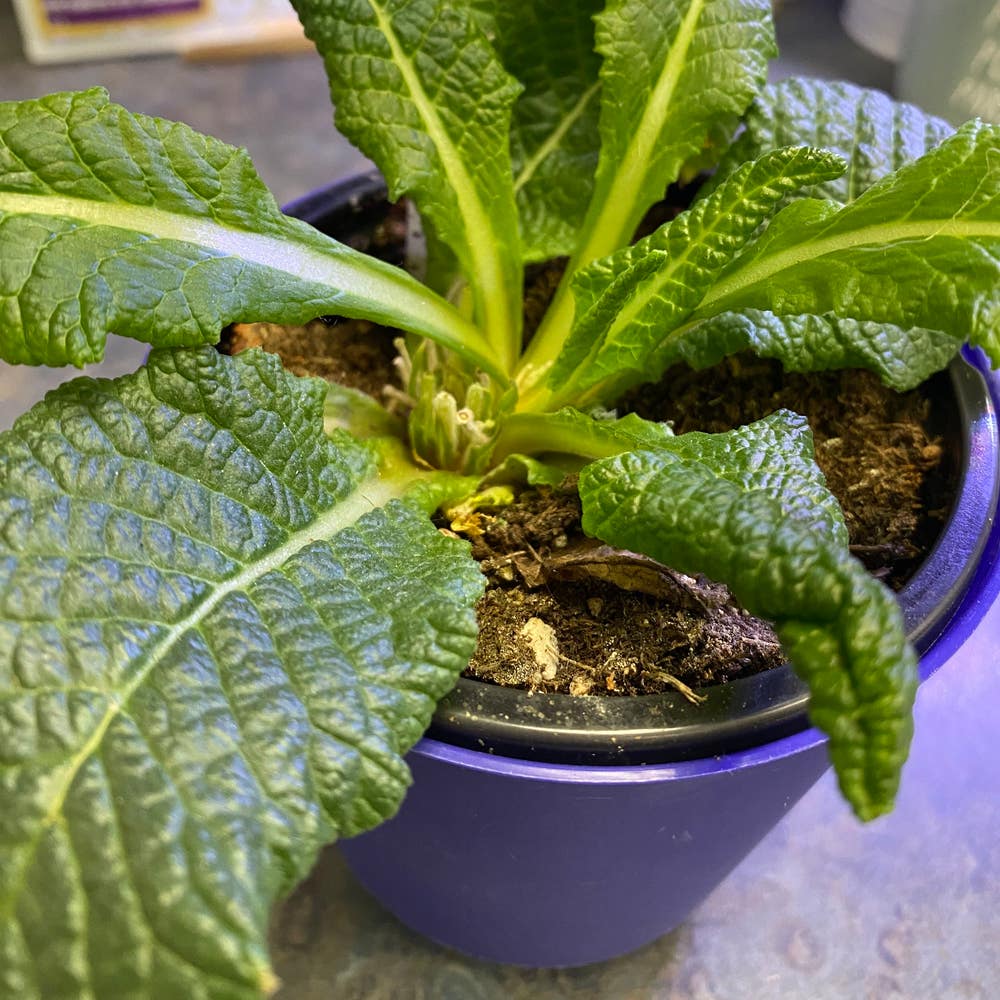
🌼 How to Fix Your Cowslip Wilting
Primula veris
By the Greg Editorial Team
Oct 19, 2024•6 min read
This article was created with the help of AI so we can cover more plants for you. May contain errors. See one? Report it here.
Transform your wilting cowslip into a thriving beauty 🌱 with these essential care tips for vibrant growth!
- 🌱 Wilting in cowslips often stems from water stress, heat, or disease issues.
- 💧 Check soil moisture regularly; dry means underwatering, soggy indicates overwatering.
- 🌡️ Cowslips thrive best in cooler temperatures, ideally between 15°C to 20°C (59°F to 68°F).
Common Causes of Wilting Leaves
💧 Water Stress
Water stress is a primary culprit behind wilting leaves.
Overwatering can lead to yellowing leaves and mushy roots, signaling that your plant is drowning.
On the flip side, underwatering manifests as dry, crispy leaves and drooping foliage.
To keep your cowslip thriving, aim for soil that is consistently moist but well-drained.
🌡️ Heat Stress
Heat stress can also cause significant wilting.
When temperatures soar, you might notice leaves curling or drooping.
Cowslips thrive in cooler conditions, ideally between 15°C to 20°C (59°F to 68°F).
Watch for wilting during peak sunlight hours, especially when exposed to direct sun.
🦠 Disease-Related Wilting
While less common, disease-related wilting can occur.
Pathogenic wilt is rare but can strike unexpectedly.
Look out for sudden wilting without prior signs of water stress.
Early detection is crucial; quick action can prevent further damage and save your plant.
Understanding these common causes will help you diagnose and address wilting effectively.
Next, let’s explore how to diagnose the specific causes of wilting in your cowslip.
Diagnosing Wilting
🕵️♂️ Step-by-Step Guide to Diagnose Causes
Assess Soil Moisture: Start by checking the top inch of soil. If it feels dry, your plant may be underwatered; if it's soggy, overwatering could be the issue.
Evaluate Environmental Conditions: Take note of the temperature and sunlight exposure. Recent weather changes, like heat waves or heavy rain, can also impact your plant's health.
Inspect for Pests or Diseases: Look closely at the leaves and stems for any signs of fungal infections or pests. Early detection is key to preventing further damage.
👀 Signs to Look for
Leaf Texture: Soft, limp leaves often indicate water stress, while crispy edges suggest heat stress. Pay attention to these textures for clues.
Color Changes: Yellowing leaves can signal overwatering, whereas browning may indicate underwatering. These color shifts are vital indicators of your plant's needs.
Growth Patterns: Stunted growth or a lack of new leaves can point to underlying issues. Keep an eye on your plant's overall vigor to catch problems early.
By following these steps and observing these signs, you can effectively diagnose the causes of wilting in your cowslip. This proactive approach will help you take the necessary actions to restore your plant's health and vitality.
Solutions for Wilting
💧 Actionable Advice for Water Stress
Adjusting your watering schedule is crucial for reviving a wilting cowslip. Water deeply but infrequently to encourage robust root growth.
Using a moisture meter can help you gauge soil moisture accurately. This tool ensures you’re neither overwatering nor underwatering your plant.
Implementing bottom watering techniques can also be effective.
- Place the pot in a shallow tray of water.
- Allow the plant to absorb moisture from the bottom for 30 minutes.
🌡️ Actionable Advice for Heat Stress
If your cowslip is suffering from heat stress, relocating the plant can make a significant difference. Move it to a shaded area during peak heat hours.
Consider using shade cloth for outdoor plants to provide additional protection. This simple step can help maintain a cooler environment.
Increasing humidity around the plant can also alleviate heat stress. Mist the leaves or place a humidity tray nearby to create a more favorable microclimate.
🦠 Actionable Advice for Disease-Related Wilting
For disease-related wilting, start by removing affected leaves. Pruning any diseased or wilted foliage promotes better airflow and reduces the risk of further infection.
If necessary, apply fungicides to combat any fungal issues. Opt for organic options to minimize harm to your plant while effectively addressing the problem.
By following these actionable solutions, you can tackle the various causes of wilting in your cowslip. Each step not only addresses immediate concerns but also sets the stage for healthier growth moving forward.
Next, let’s explore preventive measures to minimize future wilting episodes.
Preventive Measures
Tips to Minimize Future Wilting Episodes 🌱
To keep your cowslip thriving, regularly check soil moisture levels. This simple habit helps you avoid extremes that lead to wilting.
Monitor environmental conditions closely. Adjust your care routine based on temperature and sunlight exposure to ensure your plant stays healthy.
Consider rotating planting locations. This practice can help prevent soil-borne diseases, giving your cowslip a fresh start each season.
Environmental Adjustments 🌤️
Creating a microclimate can significantly benefit your cowslip. Use companion plants to provide shade and increase humidity around your plant.
Ensure your soil is well-draining. Amending it with organic matter improves drainage, reducing the risk of overwatering and root rot.
By implementing these preventive measures, you can foster a healthier environment for your cowslip, minimizing the chances of wilting.
Next, let’s explore effective techniques for reviving a wilted cowslip.
Reviving a Wilted Cowslip
🌊 Techniques for Bottom Watering
Bottom watering is a fantastic way to hydrate your wilted cowslip effectively. Simply place the pot in a shallow tray of water and let the plant absorb moisture from the bottom for about 30 minutes.
Keep a close eye on your plant after this method. Monitoring its recovery will help you gauge whether additional care is needed.
🏡 Temporary Relocation Strategies
If your cowslip is struggling, consider moving it to a cooler, shaded area. This temporary relocation can provide relief until you notice signs of recovery.
During this time, avoid exposing the plant to direct sunlight. Shielding it from harsh rays will help it regain strength.
✂️ Pruning Damaged Leaves
Pruning is essential for revitalizing your cowslip. Use clean, sharp pruning shears to remove any wilted or damaged leaves.
Make your cuts at the base of the leaf stem. This encourages new growth and allows the plant to focus its energy on healthier foliage.
Reviving a wilted cowslip requires a combination of careful watering, strategic relocation, and thoughtful pruning. With these techniques, your plant can bounce back and thrive once more.
When to Seek Help
🚨 Signs That Indicate the Need for Expert Assistance
If your cowslip is wilting persistently despite your best care efforts, it’s time to consider seeking help. This could indicate underlying issues that you might not be able to address on your own.
Another red flag is the presence of severe disease or pest infestation. If you notice unusual spots, mold, or bugs, don’t hesitate to reach out for expert advice.
Additionally, if you find yourself uncertain about the diagnosis or treatment options, consulting a professional can save your plant. Sometimes, a fresh perspective can make all the difference in reviving your beloved cowslip.
Recognizing these signs early can prevent further damage and help you get your plant back on track. Remember, it’s always better to ask for help than to risk losing your plant entirely.
⚠️ Safety First
This content is for general information and may contain errors, omissions, or outdated details. It is not medical, veterinary advice, or an endorsement of therapeutic claims.
Always consult a qualified healthcare professional before using any plant as food, medicine, or supplement.
Never eat any plant (or feed one to pets) without confirming its identity with at least two trusted sources.
If you suspect poisoning, call Poison Control (800) 222-1222, the Pet Poison Helpline (800) 213-6680, or your local emergency service immediately.
Spotted an error? Please report it here.
Bring your cowslip back to life with smart watering tips 🌱 from Greg, ensuring it gets just the right amount of moisture and care for vibrant growth!