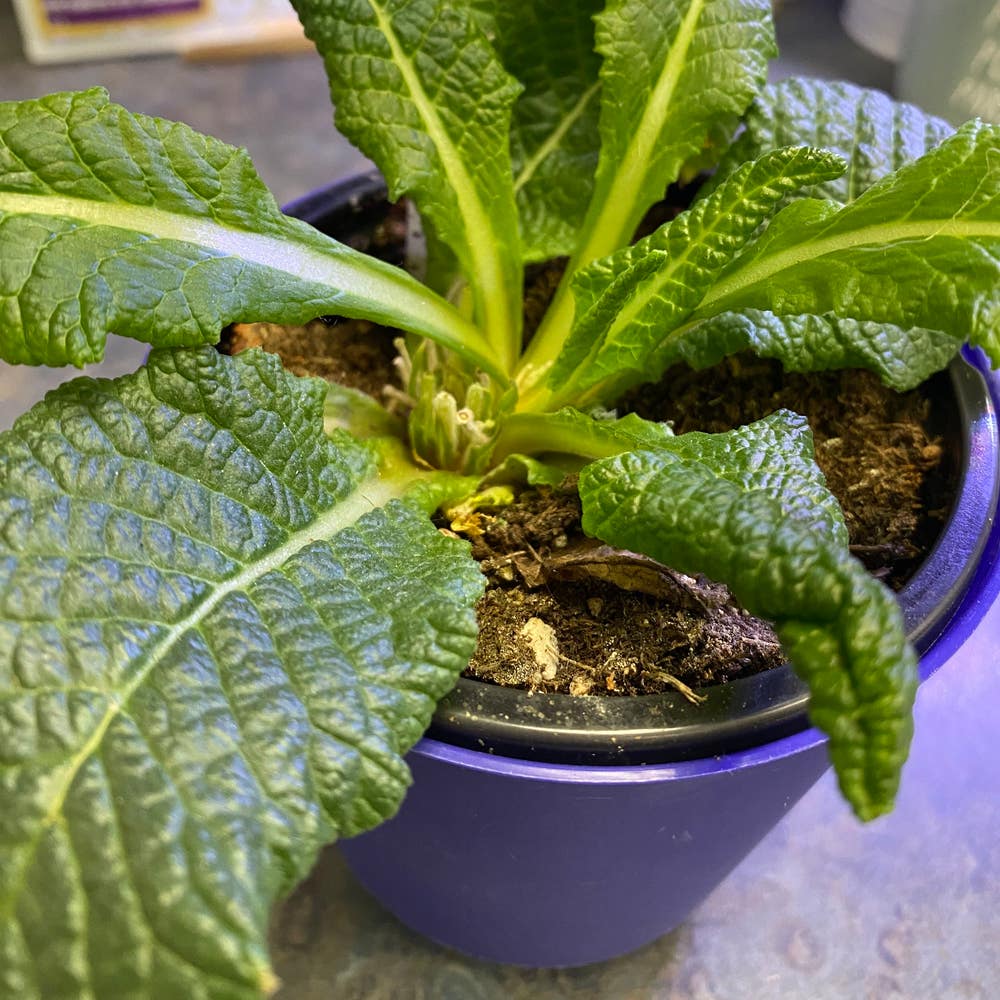
🌼 Cowslip SOS: Rescue Your Plant from Root Rot
Primula veris
By the Greg Editorial Team
Oct 19, 2024•4 min read
This article was created with the help of AI so we can cover more plants for you. May contain errors. See one? Report it here.
Protect your plants from root rot and ensure their thriving health with these essential identification and treatment tips! 🌿
- 🌱 Identify root rot early by spotting yellowing leaves and wilting for effective rescue.
- 🕵️♂️ Inspect roots for discoloration; healthy roots are firm and white, not dark and mushy.
- 🌿 Repot in fresh, well-draining soil and monitor recovery for long-term plant health.
Identifying Root Rot Symptoms
👀 Visual Signs
Recognizing root rot early can save your cowslip. Look for yellowing leaves, which often signal nutrient deficiencies caused by root damage.
Another telltale sign is wilting despite adequate watering; this indicates that the roots are struggling to function properly. Lastly, check for root discoloration—dark, mushy roots are a clear indicator of trouble.
🔍 How to Check for Root Rot
To confirm root rot, follow these simple steps:
- Gently remove the plant from its pot to avoid further damage.
- Inspect the root system for color and texture; healthy roots should be firm and white.
- Assess the soil moisture level; overly wet soil can exacerbate root issues.
🆚 Distinguishing from Other Issues
It’s crucial to differentiate root rot from other plant ailments. Compare symptoms with those of pests or nutrient deficiencies to pinpoint the problem accurately.
Remember, maintaining root health is vital for your plant's overall vitality. Healthy roots lead to thriving plants, while compromised roots can spell disaster.
Treating Root Rot
🛠️ Step-by-Step Treatment Process
Treating root rot requires a careful approach. Start by gently removing the plant from its pot and inspecting the roots for any signs of damage.
Next, use sterilized scissors to trim away any affected roots. This step is crucial to prevent the spread of rot.
After trimming, allow the remaining roots to dry for a few hours. This helps them recover before repotting.
Finally, repot the plant in fresh, well-draining soil. This new environment will support healthier root growth.
🌱 Recommended Treatments
When it comes to treating root rot, fungicides can be effective. Look for products specifically designed to combat fungal issues in plants.
Alternatively, consider natural remedies like cinnamon or neem oil. Both options can help control fungal growth without harsh chemicals.
🪴 Importance of Repotting and Soil Replacement
Repotting is essential for a successful recovery. Fresh soil reduces the pathogen load and improves drainage, creating a healthier environment for your plant.
Choosing the right pot is equally important. Ensure it has adequate drainage holes and is the appropriate size to support your plant's growth.
By following these steps, you can effectively treat root rot and give your plant a fighting chance. Next, let’s explore how to prevent root rot from occurring in the first place.
Preventing Root Rot
🌱 Best Soil Types
Choosing the right soil is crucial for preventing root rot. Opt for well-draining soil mixes that allow excess moisture to escape, keeping roots healthy.
Incorporating organic matter, like compost, enhances drainage and aeration. This not only supports root health but also provides essential nutrients for your plant.
💧 Watering Techniques
Watering frequency plays a vital role in root health. Aim to keep the soil consistently moist but not soggy; a good rule of thumb is to check the top inch of soil before watering.
Be vigilant for signs of overwatering, such as yellowing leaves or a musty smell from the soil. Adjust your watering practices accordingly to maintain optimal moisture levels.
🪴 Importance of Pot Drainage and Air Circulation
Selecting pots with drainage holes is essential. These holes allow excess water to escape, preventing waterlogged conditions that lead to root rot.
Additionally, consider the positioning of your pots. Proper spacing and placement in your garden promote airflow, which is beneficial for overall plant health.
By implementing these preventive measures, you can significantly reduce the risk of root rot and keep your plants thriving. Next, let’s explore how to treat root rot effectively if it does occur.
Post-Treatment Care
Monitoring Recovery 🌱
After treating root rot, it's crucial to keep a close eye on your plant. Regular checks for new growth and healthy leaves will help you gauge its recovery.
Adjust your care based on what you observe. If new leaves are sprouting, you might want to increase light exposure or tweak your watering schedule.
Signs of Improvement or Further Issues 👀
Look for indicators of successful recovery, such as fresh leaf growth and robust root health. These signs suggest your plant is bouncing back from its root rot ordeal.
However, stay vigilant for any recurring problems. Monitoring for wilting or yellowing leaves can help you catch issues before they escalate.
Long-Term Care Strategies 🛠️
Establishing a consistent care routine is key to your plant's long-term health. Regular watering and soil checks will keep your plant thriving.
Don’t forget to make seasonal adjustments. Modifying care based on environmental changes ensures your plant remains resilient throughout the year.
With these strategies in place, your plant can flourish, leaving behind the troubles of root rot. Next, let’s explore how to prevent root rot from occurring in the first place.
⚠️ Safety First
This content is for general information and may contain errors, omissions, or outdated details. It is not medical, veterinary advice, or an endorsement of therapeutic claims.
Always consult a qualified healthcare professional before using any plant as food, medicine, or supplement.
Never eat any plant (or feed one to pets) without confirming its identity with at least two trusted sources.
If you suspect poisoning, call Poison Control (800) 222-1222, the Pet Poison Helpline (800) 213-6680, or your local emergency service immediately.
Spotted an error? Please report it here.
Revive your cowslip from root rot with early detection 🔍 and let Greg guide you with tailored care tips and watering reminders to keep your plant thriving!