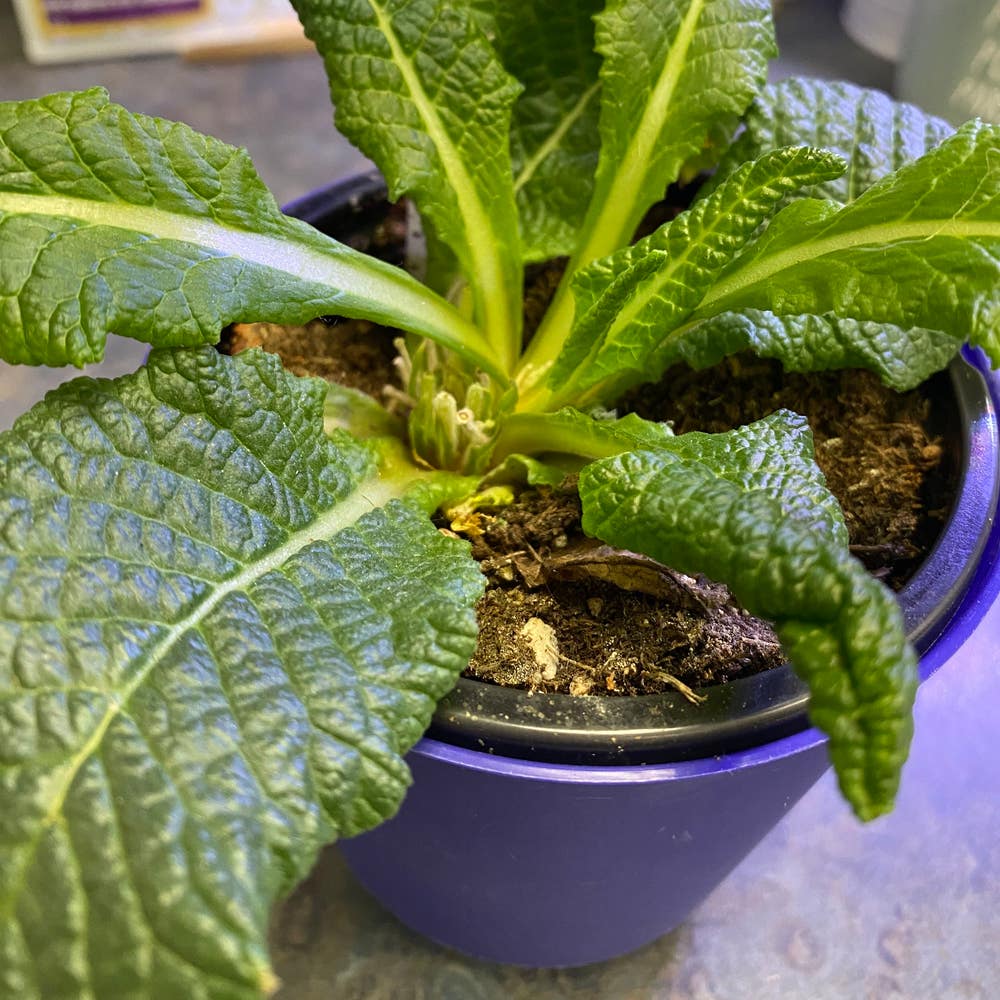
🌡 What Is A Good Temperature Range For My Common Cowslip?
Primula veris
By the Greg Editorial Team
Mar 08, 2024•4 min read
This article was created with the help of AI so we can cover more plants for you. May contain errors. See one? Report it here.
Avoid the wilt and chill; discover the ideal temp range for a vibrant Common Cowslip 🌡️🌱.
- Daytime sweet spot: 60°F to 75°F; cooler nights at 50°F to 60°F.
- Watch for stress: Wilting from heat, mushy spots from cold.
- Humidity matters: Aim for 40-60% and monitor with a hygrometer.
Dialing in the Perfect Temperature
🌞 Daytime Delight: Ideal Daytime Temperatures
Common Cowslip thrives when the sun is up and the temperature is just right. Optimal daytime warmth ranges from 60°F to 75°F (15°C to 24°C). This range encourages the Common Cowslip to grow vigorously and bloom with its characteristic yellow flowers.
🌙 Nighttime Nurturing: Ideal Nighttime Temperatures
When the stars come out, Common Cowslip prefers a cooler ambiance. A nighttime temperature between 50°F and 60°F (10°C to 15°C) is ideal. This slight drop signals the plant to rest and recuperate, essential for maintaining its health and vitality.
Recognizing the Red Flags: Signs of Temperature Stress
🌡️ Wilted Woes: Spotting Overheating
Overheating in Common Cowslip can manifest as wilting leaves that may feel unusually warm to the touch. This is a plant's cry for help, indicating it's time to dial back the heat. Yellowing can also occur, a sign that the plant's chlorophyll is breaking down due to excessive light or temperature. In severe cases, leaves might develop sunburned spots, often with a reddish-purple tint, or become leathery, signaling a desperate need for cooler conditions and better air circulation.
❄️ Chilly Challenges: Identifying Cold Stress
Conversely, cold stress leaves its mark on Common Cowslip with dark, mushy spots on leaves, reminiscent of frostbite. If you notice leaves drooping or showing discoloration that hints at 'I'm too cold!', it's time for immediate action. Stunted growth and a general decline in the plant's vibrancy are subtle yet telling signs that your Common Cowslip is shivering more than thriving.
Turning Up the Heat (or Not): Causes of Temperature Stress
🌡️ Heatwave Havoc: Protecting from High Heat
Extreme heat can turn your Common Cowslip's life into a melodrama. It's not just about the mercury rising; the rate at which temperatures climb and the duration of the heatwave matter too. Premature flowering or a wilted appearance are tell-tale signs that your plant is auditioning for the role of a desert mirage.
To mitigate the effects of high heat:
- Monitor the local heat index and watch for warnings.
- Create shade with a light cloth or move the plant to a cooler spot.
- Water in the early morning or late evening to avoid rapid evaporation.
- Consider mulching to keep the soil temperature stable.
❄️ Frosty Foes: Guarding Against Cold
When temperatures drop, your Common Cowslip might start to look more like an ice sculpture than a plant. Cold snaps can lead to brown, crispy foliage and a plant that's frankly unimpressed with its living conditions.
To protect your Common Cowslip from cold:
- Move it to a sheltered location if it's potted.
- For garden plants, use frost cloths or burlap to insulate.
- Avoid overwatering as cold, wet soil can be damaging.
- If necessary, provide a gentle heat source like a plant heating mat.
Remember, it's not just about cranking up the thermostat or throwing a blanket over your plant. It's about smart adjustments that keep your Common Cowslip thriving, no matter what Mother Nature throws at it.
A Quick Note on Humidity
💦 The Humidity-Temperature Tango
Humidity is the sidekick to temperature in the Common Cowslip's world. It's not the star of the show, but it plays a pivotal role in plant health. The right humidity level ensures that your Cowslip's leaves stay supple and vibrant, rather than turning into crispy critters.
⚖️ Striking the Right Balance
Aim for a relative humidity between 40-60%. This range helps prevent the onset of mold and keeps those pesky pests at bay. Too much humidity, and you're setting the stage for a fungal fiesta; too little, and your Cowslip might start to resemble a dried-up autumn leaf.
🌡️ Monitoring Made Easy
Keep a hygrometer handy to monitor humidity levels. Guesswork is not an option when it comes to the well-being of your Cowslip. If the air feels drier than a comedian's wit, consider a humidifier or a pebble tray to up the moisture.
🌿 Humidity Helpers
Grouping plants can create a shared microclimate, which can be beneficial for maintaining consistent humidity levels. However, always be vigilant and adjust your plant's environment as needed to avoid the extremes that lead to stress.
⚠️ Safety First
This content is for general information and may contain errors, omissions, or outdated details. It is not medical, veterinary advice, or an endorsement of therapeutic claims.
Always consult a qualified healthcare professional before using any plant as food, medicine, or supplement.
Never eat any plant (or feed one to pets) without confirming its identity with at least two trusted sources.
If you suspect poisoning, call Poison Control (800) 222-1222, the Pet Poison Helpline (800) 213-6680, or your local emergency service immediately.
Spotted an error? Please report it here.
Ensure your Common Cowslip thrives 🌡 by using Greg to track the perfect temperature and humidity, avoiding stress and promoting lush growth.