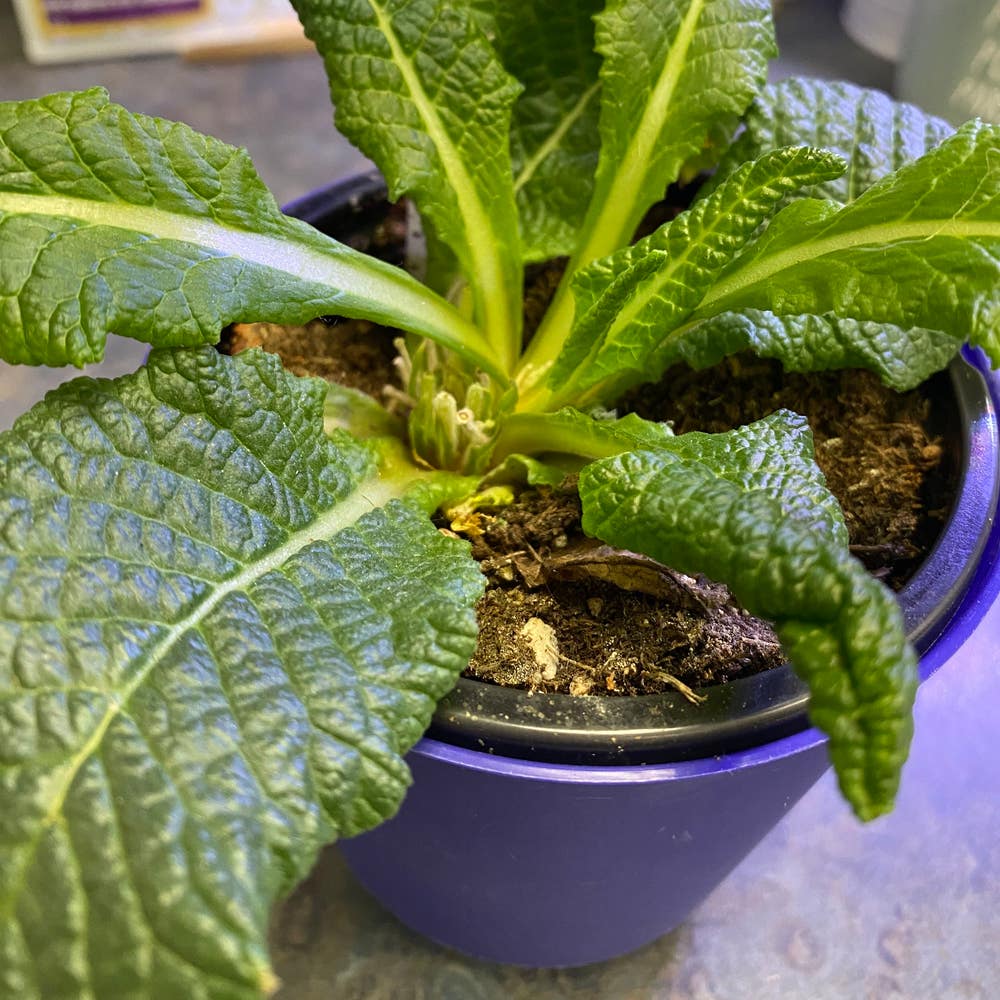
Why Are There Brown Spots on My Common Cowslip?
Primula veris
By the Greg Editorial Team
Mar 08, 2024•4 min read
This article was created with the help of AI so we can cover more plants for you. May contain errors. See one? Report it here.
Save your Common Cowslip from brown spot woes and keep it thriving with expert tips! 🌿🔍
- Fungal, sunburn, nutrient issues cause brown spots; identify to treat effectively.
- Isolate and remove affected leaves immediately to prevent spread.
- Regular inspections and cleanliness are key to a healthy Common Cowslip.
Spotting the Trouble: Identifying Brown Spots
🕵️ What Brown Spots Look Like
Brown spots on Common Cowslip can be misleading. They might show up as dry, crusty patches or as wet, dark lesions. A yellow halo may sometimes encircle a spot, indicating a more serious issue than simple discoloration.
🎯 Spot Locations
These spots can appear anywhere from the leaf center to the edges. It's crucial to differentiate between natural leaf markings, which are often symmetrical, and the random distribution of problematic brown spots. Older leaves may naturally have harmless brown marks, but consistent patterns across multiple leaves usually signal trouble.
🕵️ Initial Inspection
When you first notice brown spots, isolate your plant. This prevents any potential disease from spreading. Remove affected leaves immediately and keep an eye out for improvement. Remember, it's not just about the fix; it's about the follow-up.
🕵️ Consistency Is Key
Regular inspections are essential. Make them part of your routine, like your morning coffee ritual. Early detection allows for swift action, potentially saving your plant from a more severe fate. Look for spots with sharp edges or a yellow halo—these are the plant equivalent of a warning sign.
The Usual Suspects: Causes of Brown Spots
🍄 Fungal Foes
Fungal infections are like uninvited guests at your plant's leaf party, often leaving behind unsightly brown spots. These spots can vary in appearance, but they typically show up as circular lesions, sometimes with a yellow halo or dark rings. High humidity and poor air circulation are their best friends, creating the perfect storm for fungal growth. If you notice a spotty pattern or discolored patches, it's time to suspect a fungal fiesta.
🌞 Sunburn Scorch
When it comes to sunburn, your Common Cowslip's leaves might look like they've spent a day too long at the beach. These spots are usually dry, crispy, and appear on the parts of the leaves that get the most light. If your plant's leaves are crisping up, it's a sign to reassess its sunbathing habits and provide some much-needed shade.
🥦 Nutrient No-Nos
Nutrient deficiencies can be stealthy, but they leave a mark in the form of brown spots. These spots can appear as rusty patches, indicating your plant might be missing out on vital nutrients. Keep an eye out for spots that have a certain dryness to them or those that look like they've been soaked through. It's a plant's way of crying out for a balanced meal.
The Treatment Plan: Addressing Brown Spots
🍄 Battling Fungus Among Us
Fungal infections are a common cause of brown spots on Common Cowslip. To combat this, choose a fungicide that's effective yet gentle on the plant. Copper fungicides are often recommended, but it's crucial to avoid overuse. Rotate fungicides to prevent resistance and always adhere to the label's instructions. For an organic approach, consider a baking soda and water mixture. Remember to improve air circulation and remove affected leaves with sterilized tools.
🌞 Shading from the Sun's Glare
Excessive sun can lead to brown spots, signaling a need for light adjustment. Protect your Common Cowslip by providing shade during peak sunlight hours. Utilize a canopy or shade cloth, and consider the strategic placement of plants to naturally filter light. Monitor your plant's response to these changes, as every Cowslip's needs may vary.
🍽️ Feeding Your Flower
Nutrient deficiencies can manifest as brown spots. Address this by providing targeted fertilization. Determine which nutrients are lacking and supplement accordingly. A balanced feed can promote a spot-free existence, but be mindful not to over-fertilize, as this can cause further issues. Regularly check your plant's health to ensure it's receiving the right amount of nutrients.
Keeping Spots at Bay: Prevention Tactics
💧 Watering Wisdom
Check the soil's moisture before watering—overwatering invites fungal party crashers. Morning is the best time to water, allowing leaves to dry out under the sun's watchful eye. Use pots with drainage holes and pair with well-draining soil to avoid waterlogged roots.
🕵️ Regular Plant Check-Ups
Make regular inspections a part of your routine, like a plant health dental check-up. Look for early signs of pests or disease and act with the swiftness of a superhero. Keep your gardening tools as clean as a chef's knife to prevent spreading pathogens.
💨 Airflow and Cleanliness
Airflow is the silent guardian against fungal invasions. Ensure your Common Cowslip isn't suffocating in still air by spacing it out or using fans if indoors. Cleanliness is your plant's personal hygiene—remove fallen debris regularly and sterilize your tools before each use.
⚠️ Safety First
This content is for general information and may contain errors, omissions, or outdated details. It is not medical, veterinary advice, or an endorsement of therapeutic claims.
Always consult a qualified healthcare professional before using any plant as food, medicine, or supplement.
Never eat any plant (or feed one to pets) without confirming its identity with at least two trusted sources.
If you suspect poisoning, call Poison Control (800) 222-1222, the Pet Poison Helpline (800) 213-6680, or your local emergency service immediately.
Spotted an error? Please report it here.
Ensure your Common Cowslip stays spot-free with custom care alerts 🍃 from Greg, helping you catch and tackle brown spots before they spread!