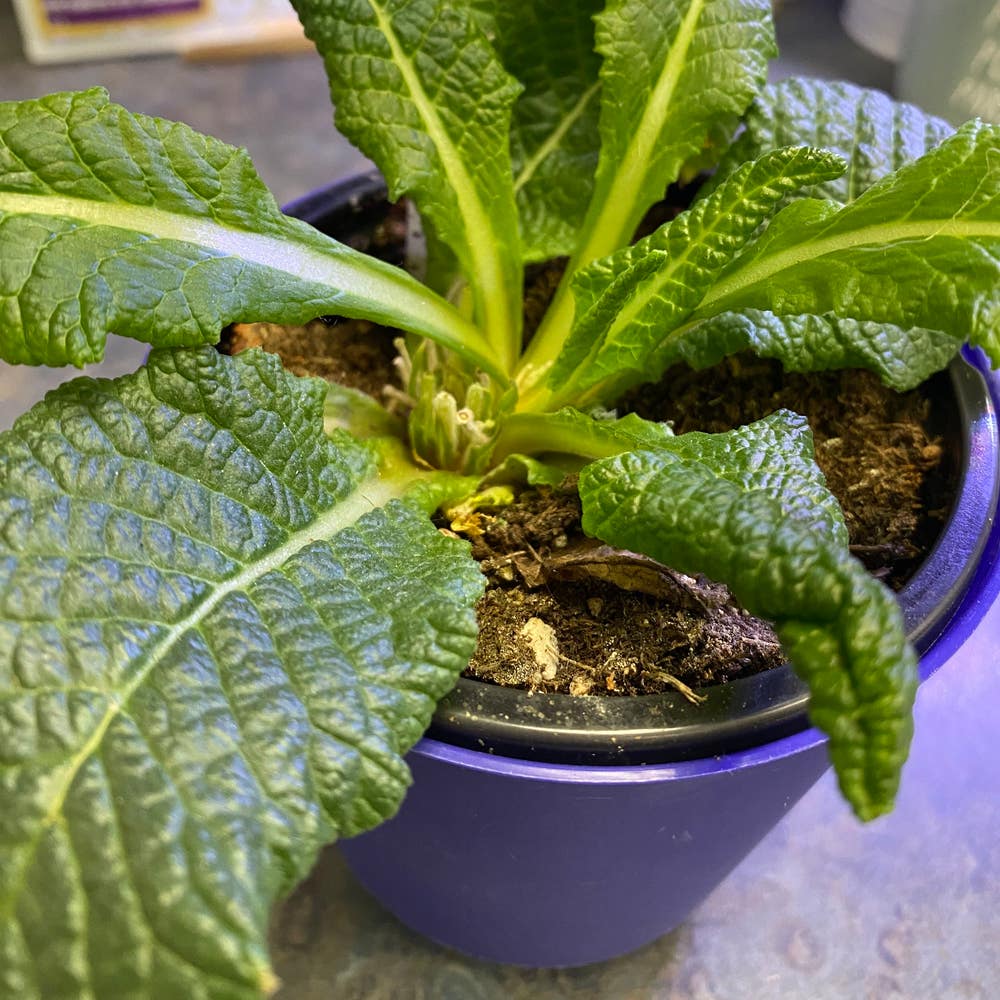
Year-Round Light Requirements For Your Common Cowslip
Primula veris
By the Greg Editorial Team
Mar 08, 2024•5 min read
This article was created with the help of AI so we can cover more plants for you. May contain errors. See one? Report it here.
Nurture vibrant Cowslip blooms 🌼 all year with these essential light-tweaking tips!
- Spring/Summer for blooms, Fall/Winter for rest, adjust Cowslip's light yearly.
- 🌞🌿 Morning sun, afternoon shade keeps Cowslips thriving; watch for pale or scorched leaves.
- Use light meters and grow lights to ensure optimal light for flowering.
Soaking Up the Sun: Outdoor Light Love for Common Cowslip
🌞 Seasonal Sunshine Guide
Spring and Summer: These are the prime months for your Common Cowslip to strut its stuff. To maximize bloom potential, aim for a location that basks in the morning sun and relaxes in the afternoon shade. Watch out for pale or scorched leaves—a sign you've overdone the sunbathing.
Fall and Winter: It's time to prep for dormancy. Your Cowslip's light needs dial down as the days shorten. Still, don't skimp on the sunshine. Let it soak up as much as possible during the cooler, shorter days to maintain health.
Spot-On Spots in Your Garden
Partial Shade or Full Sun? The sweet spot for Cowslip is a game of balance. Too much direct sun and you'll have a wilted mess; too little and you'll miss out on those charming blooms. Aim for dappled sunlight, the kind that filters through a leafy canopy.
Adapting to the Day's Light: As the sun's angle shifts, so should your plant's position. Keep an eye on the moving patches of light and shade in your garden. Your Cowslip will thank you for keeping it out of the harsh midday sun, especially in the heat of summer.
Indoor Light Hacks for Happy Cowslips
🌞 Window Wisdom
South-facing windows are the gold standard for cowslips craving that full sun experience indoors. They soak up the most rays, especially during the bleak winter months. But remember, not all homes are built equal. If south isn't in the cards, east or west-facing windows can be your plant's next best bet, offering a Goldilocks zone of light that's just right.
In spring, position your cowslip near an east-facing window to bask in gentle morning light. As summer heats up, that same spot could turn into a plant fryer, so dial it down with a sheer curtain. Come fall, a south-facing sill is your go-to, while winter demands the brightest spot you can find.
💡 Grow Light Gurus
When Mother Nature clocks out early, it's time for grow lights to step up. LEDs are the cool kids on the block—energy-efficient and long-lasting. They're like a personal sun for your cowslip, without the risk of sunburn.
Choosing a grow light? Think of yourself as a plant stylist. You're not just providing light; you're sculpting it. Position the light a safe distance away—close enough for warmth, far enough to avoid leaf burn. And timing? Aim for 12 to 14 hours, mimicking the natural ebb and flow of daylight. Use a timer to automate this cycle, keeping your plant's internal clock as regular as your morning coffee routine.
Seasonal Adjustments for Indoor Cowslips
🌨️ Winter Woes: Boosting Light When Days Are Short
In the grip of winter, your indoor Cowslip's light source may need a serious pep talk. Boosting artificial light is key—think of it as a sun substitute. Position your plant closer to windows, but watch for cold drafts that can do more harm than a bad haircut. If natural light is as scarce as hen's teeth, a grow light can save the day. Just remember, it's not a tanning bed; keep it at a respectful distance to avoid leaf burn.
☀️ Summer Strategies: Avoiding Overexposure
Come summer, your Cowslip might be getting more sun than a lifeguard. Shield it from the harsh midday rays that could leave it thirstier than a marathon runner. If your windows are turning your abode into a greenhouse, diffuse the light with sheer curtains or relocate the plant to avoid the worst of the solar beatdown. Remember, while Cowslips love light, they don't fancy a sunstroke.
Light It Right: Monitoring and Adjusting Light for Flower Power
💡 The Flowering Factor
Light is the conductor of your Common Cowslip's blooming orchestra. Without the right cues from light, your plant might as well be stuck in rehearsal. Intensity and duration of light exposure are key to transitioning your Cowslip from a green ensemble to a floral masterpiece.
🕵️♂️ Keeping an Eye on Light Levels
Tools like light meters aren't just for the tech-savvy gardener; they're your secret weapon in the quest for bloom perfection. By measuring photosynthetic photon flux density (PPFD), you ensure your Cowslip gets the optimal light diet for flowering.
Signs of distress, such as browning tips or a lack of flowers, mean it's time to adjust. Rotate your plant for even light distribution, and don't be afraid to play musical chairs with its location. If your home is more dungeon than sunroom, consider a grow light to fill in the gaps.
Remember, it's about finding that Goldilocks zone where everything is just right—too much light and your plant might throw a fit, too little and it could sulk in a non-flowering funk. Keep a vigilant eye and tweak your setup as needed; your Cowslip will thank you with a showy display of blooms.
⚠️ Safety First
This content is for general information and may contain errors, omissions, or outdated details. It is not medical, veterinary advice, or an endorsement of therapeutic claims.
Always consult a qualified healthcare professional before using any plant as food, medicine, or supplement.
Never eat any plant (or feed one to pets) without confirming its identity with at least two trusted sources.
If you suspect poisoning, call Poison Control (800) 222-1222, the Pet Poison Helpline (800) 213-6680, or your local emergency service immediately.
Spotted an error? Please report it here.
Find your Common Cowslip's perfect sunbathing spot year-round ☀️ with Greg's PlantVision, ensuring a spectacular bloom without the guesswork.