🐞 Ultimate Guide to What's Eating Your Cowslip
Primula veris
By the Greg Editorial Team
Oct 19, 2024•6 min read
This article was created with the help of AI so we can cover more plants for you. May contain errors. See one? Report it here.
Unlock the secrets of Cowslip's allure to animals and boost your garden's health! 🌼
- 🌼 Cowslip attracts herbivores like deer and rabbits, impacting its growth and health.
- 🦌 Deer aid seed dispersal but can severely damage Cowslip populations—balance is key!
- 🌱 Effective deterrents include fencing, organic sprays, and companion planting for protection.
Cowslip Appearance and Appeal to Animals
Description of Appearance 🌼
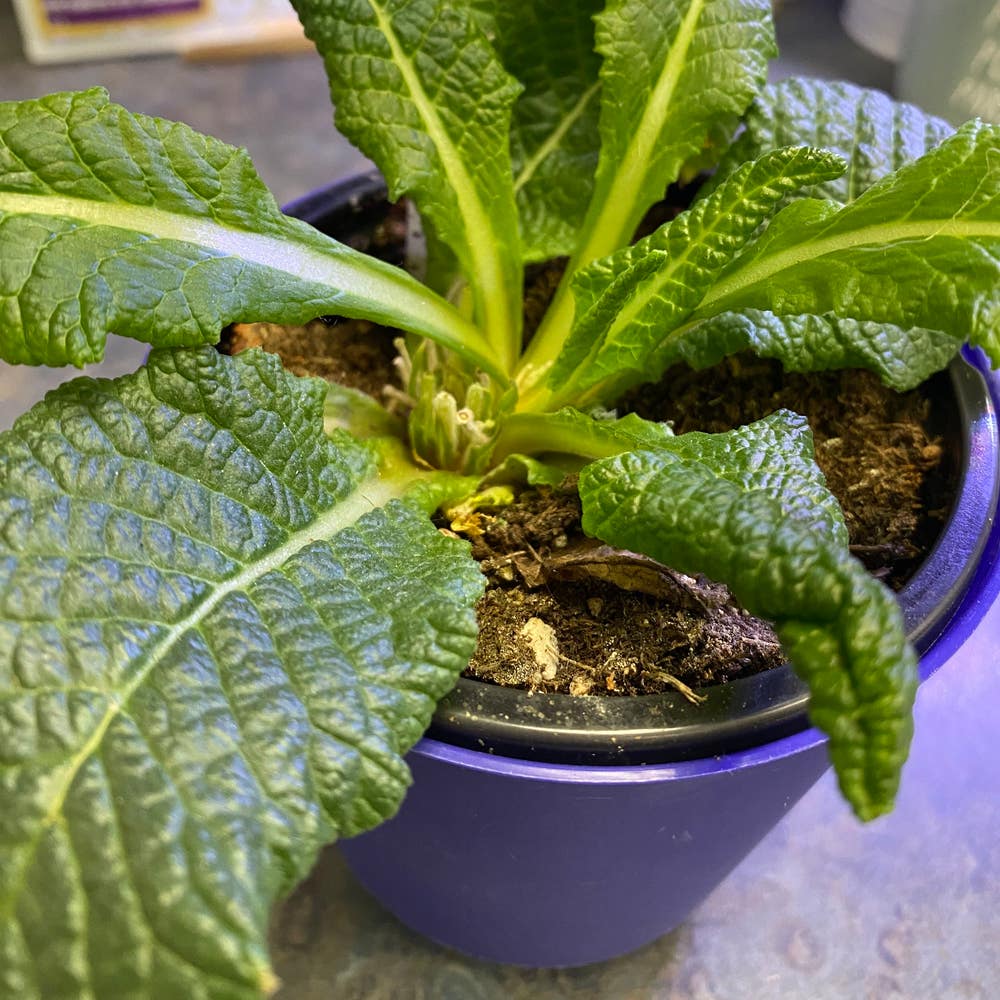
Cowslip is easily recognized by its distinctive yellow, bell-shaped flowers that bloom in vibrant clusters. The foliage consists of broad, oval leaves with a soft texture, adding to the plant's overall charm.
Most Appealing Parts to Animals 🐾
The flowers are particularly appealing due to their nutrient-rich composition and soft texture. Young shoots are tender and irresistible to herbivores, while the fruits also attract a variety of animals, making Cowslip a popular choice in the wild.
Understanding these features not only highlights the beauty of Cowslip but also explains why it draws various herbivores. As we explore the common herbivores affecting Cowslip, we’ll see how these animals interact with this lovely plant.
Common Herbivores Affecting Cowslip
🦌 Deer
Signs of Presence and Damage
Deer are notorious for their browsing habits. Look for irregularly chewed leaves and flowers, along with hoof prints near your Cowslip plants.
Interaction Impact
These animals can be quite harmful, often decimating Cowslip populations. However, they also play a role in the ecosystem by aiding in seed dispersal and maintaining habitats.
Deterrent Methods
To keep deer at bay, consider using commercial deer repellents. You can also plant deer-resistant species nearby or use human hair and soap shavings as organic deterrents.
🐇 Rabbits
Signs of Presence and Damage
Rabbits leave their mark with cleanly cut stems and leaves, often at a 45-degree angle. You might also find small, round pellets scattered near the plants.
Interaction Impact
While rabbits can cause significant damage, they also contribute to natural pest control through their predation.
Deterrent Methods
For easy deterrence, try bitter-tasting sprays. Fencing at least 2 feet high and planting rabbit-resistant plants are also effective organic methods.
🐿️ Squirrels
Signs of Presence and Damage
Squirrels can be a nuisance, gnawing on stems and uprooting plants. Look for nesting debris near your Cowslip as a sign of their presence.
Interaction Impact
These critters can disrupt plant growth, but they also assist in seed dispersal for other plants, adding a layer of complexity to their role in the ecosystem.
Deterrent Methods
Capsaicin-based sprays serve as effective chemical deterrents. You can also employ scare tactics like reflective tape or noise makers to keep them away.
🐦 Birds
Signs of Presence and Damage
Birds may peck at flowers and leaves, leaving visible damage. Nesting activity nearby can also indicate their presence.
Interaction Impact
While generally beneficial for pollination and pest control, birds can become harmful if their populations grow too large.
Deterrent Methods
Non-toxic bird repellents can help manage their presence. Additionally, using netting or reflective objects can deter feeding.
🐭 Rodents and Groundhogs
Signs of Presence and Damage
Look for tunnels or burrows near your Cowslip, along with chewed roots and stems. Large holes or distinct bite marks on grazed plants are also telltale signs.
Interaction Impact
Rodents and groundhogs can cause extensive damage, but they also contribute to soil aeration and nutrient cycling in the ecosystem.
Deterrent Methods
Rodent baits can be effective but should be used with caution. Organic methods include traps, encouraging natural predators like owls, and fencing that’s 3-4 feet high, along with planting deterrent species.
Understanding these herbivores and their impacts can help you protect your Cowslip while maintaining a balanced ecosystem. Next, we’ll explore the beneficial animals attracted to Cowslip and their positive contributions.
Beneficial Animals Attracted to Cowslip
🐝 Pollinators: Nature's Helpers
Cowslip is a magnet for pollinators like bees and butterflies. These creatures play a crucial role in enhancing the plant's seed production through effective pollination.
🐦 Birds: Guardians of the Garden
Birds also flock to Cowslip, serving as natural predators that help control pest populations. Their presence can lead to a healthier garden ecosystem.
🌱 Enhanced Seed Production
With increased pollination from these beneficial animals, Cowslip can produce more seeds. This not only supports the plant's lifecycle but also contributes to the overall biodiversity of the area.
🐞 Natural Pest Control
By attracting these helpful creatures, gardeners can reduce their reliance on chemical interventions. This creates a more sustainable and balanced environment.
In summary, fostering beneficial animals around Cowslip not only aids in its growth but also promotes a thriving ecosystem. Next, we’ll explore general strategies for protecting Cowslip from herbivores while encouraging these positive interactions.
General Strategies for Protecting Cowslip
🛡️ Preventive Measures
To safeguard your cowslip, consider planting companion plants that deter herbivores. These plants can create a natural barrier, making your garden less appealing to unwanted visitors.
Using physical barriers like fencing or netting is another effective strategy. A well-placed fence can keep larger animals at bay, while netting protects delicate flowers from birds.
⚠️ Reactive Solutions
Regular monitoring for signs of damage is crucial. Keep an eye out for irregular chewing patterns or droppings to catch issues early.
When you notice damage, act quickly with deterrents. Immediate intervention can prevent further harm and help your cowslip thrive.
🌱 Balancing Ecosystem
Encouraging beneficial animals is key to a healthy garden. Pollinators and natural pest controllers can coexist with your cowslip, enhancing its growth.
However, managing harmful species is equally important. Understanding the ecological role of herbivores helps you strike a balance, ensuring your garden remains vibrant and productive.
By implementing these strategies, you can create a thriving environment for your cowslip while maintaining harmony with local wildlife. Next, let’s explore seasonal considerations that affect your cowslip’s vulnerability and attraction to animals.
Seasonal Considerations
🐾 Variations in Animal Attraction
Spring is a vibrant time for Cowslip, and with it comes a surge in herbivore activity. As these plants bloom, their nutrient-rich flowers attract a variety of hungry animals eager to feast.
Birds also play a significant role during this season. Their seasonal migration patterns can lead to increased visits, impacting both pollination and potential damage to your Cowslip.
⏰ Timing of Plant Vulnerability
Cowslip plants are particularly vulnerable during their flowering and early growth stages. This is when they are most appealing to herbivores, making it crucial to monitor their health closely.
To protect your plants, consider implementing seasonal strategies. Using barriers like netting or fencing can help shield them from eager munchers while allowing beneficial pollinators to access the blooms.
By understanding these seasonal dynamics, you can better safeguard your Cowslip and promote a thriving garden ecosystem.
Toxicity and Safety
🐾 Toxic Effects on Animals
Cowslip can cause mild gastrointestinal upset in some animals if consumed in large quantities. While not highly toxic, it's essential to monitor how much your pets or livestock are munching on.
🌿 Implications for Interactions
Understanding the balance between attraction and toxicity is crucial for gardeners. Educating yourself and others about safe interactions with local wildlife can help maintain a healthy ecosystem while enjoying the beauty of Cowslip.
By being aware of these factors, you can foster a thriving garden that attracts beneficial creatures while minimizing risks. This knowledge empowers you to create a harmonious environment for both plants and animals.
⚠️ Safety First
This content is for general information and may contain errors, omissions, or outdated details. It is not medical, veterinary advice, or an endorsement of therapeutic claims.
Always consult a qualified healthcare professional before using any plant as food, medicine, or supplement.
Never eat any plant (or feed one to pets) without confirming its identity with at least two trusted sources.
If you suspect poisoning, call Poison Control (800) 222-1222, the Pet Poison Helpline (800) 213-6680, or your local emergency service immediately.
Spotted an error? Please report it here.
Cultivate a thriving garden 🌼 around your Cowslip by using Greg's tailored care tips and reminders to protect your plants from herbivores while attracting beneficial wildlife!