Good Temperature Range for Your Cowslip 🌡️
Primula veris
By the Greg Editorial Team
Oct 19, 2024•4 min read
This article was created with the help of AI so we can cover more plants for you. May contain errors. See one? Report it here.
Unlock vibrant blooms 🌼 by mastering temperature control for your Cowslip and watch your garden thrive!
- 🌡️ Cowslip thrives best between 10°C to 20°C (50°F to 68°F) for optimal growth.
- ❄️🔥 Avoid temperatures below 10°C or above 25°C to prevent growth stall and stress.
- 🌿 Monitor humidity and temperature to ensure healthy flowering and prevent diseases.
Optimal Temperature Range
Ideal Conditions 🌱
Cowslip thrives best in a temperature range of 10°C to 20°C (50°F to 68°F). This sweet spot encourages robust foliage and vibrant flowering, making your garden a visual delight.
Temperature Thresholds 🌡️
However, be mindful of the extremes. Growth can stall if temperatures dip below 10°C (50°F), while prolonged exposure above 25°C (77°F) can lead to heat stress. For optimal flowering, stability within this ideal range is crucial.
Understanding these temperature dynamics will help you nurture healthier Cowslip plants. With the right conditions, you can enjoy a flourishing display that brightens your garden.
Temperature Stress
Signs of Stress 🌡️
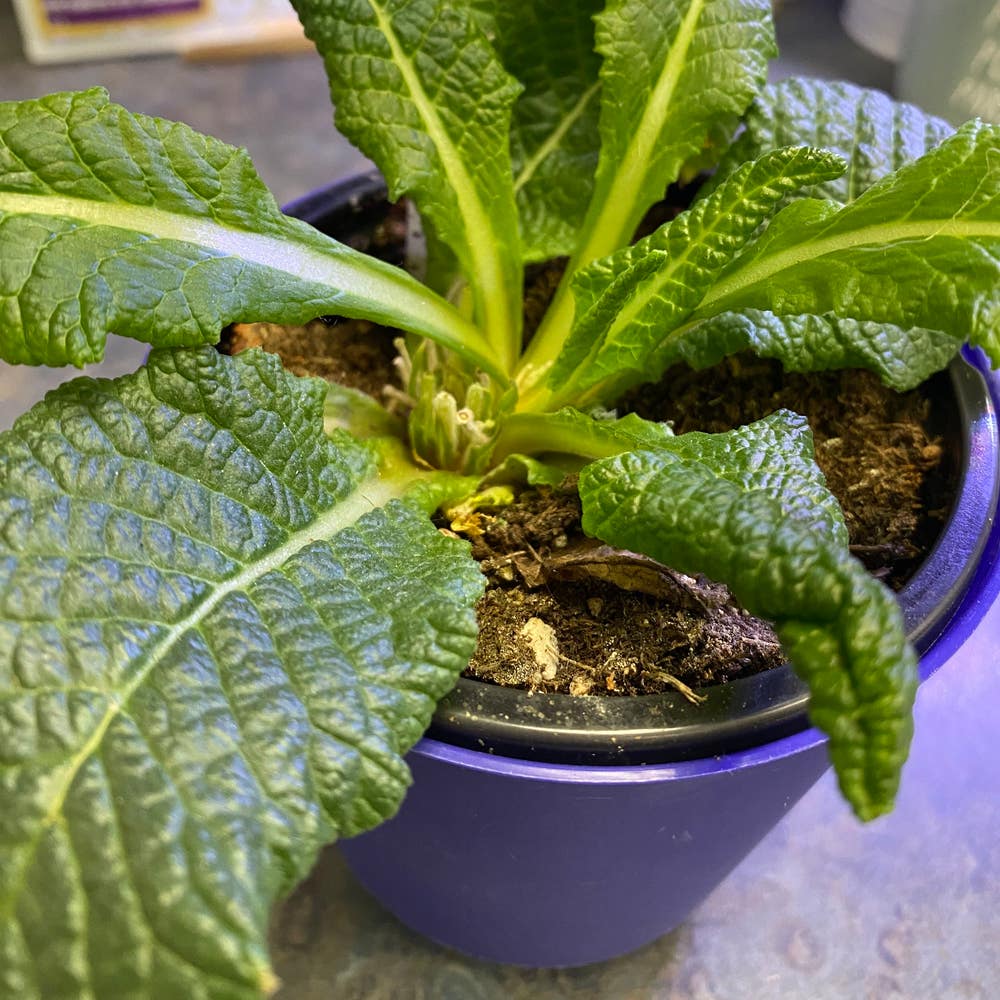
When Cowslip experiences temperature stress, you'll notice some telltale signs. Wilting leaves are a primary indicator; the rosette may droop or wilt, signaling that the plant is struggling.
Another sign is flower discoloration. Yellow flowers may fade or even drop prematurely, which can be disheartening for any gardener.
Causes of Stress 🔥
Extreme heat is a major culprit behind temperature stress. Prolonged exposure to temperatures above 25°C (77°F) can lead to significant heat stress, impacting the plant's overall health.
On the flip side, frost damage can also wreak havoc. New growth is particularly vulnerable to frost, especially in early spring, making it crucial to monitor temperature fluctuations.
Recovery Strategies 🌱
If your Cowslip is showing signs of stress, there are several easy recovery strategies you can implement.
Immediate action: If your plants are in containers, relocate them to a cooler, shaded area to provide immediate relief.
Watering: Ensure consistent moisture without waterlogging. This balance helps the plant recover without drowning its roots.
Mulching: Apply mulch around the base to regulate soil temperature and retain moisture. This simple step can make a significant difference in recovery.
By recognizing the signs and causes of temperature stress, along with implementing these recovery strategies, you can help your Cowslip thrive even in challenging conditions. Next, let’s explore effective temperature management techniques to maintain optimal growing conditions.
Temperature Management Techniques
🌡️ Strategies for Maintaining Optimal Temperatures
To keep your Cowslip thriving, consider using shade cloth during the peak summer months. This simple addition can significantly protect your plants from excessive heat.
Another effective strategy is to implement windbreaks. Planting nearby shrubs can create a natural barrier, shielding your Cowslip from cold winds that can hinder growth.
🌿 Use of Mulch for Temperature Control
Organic mulch is a fantastic tool for temperature management. It not only insulates the roots but also helps maintain a consistent soil temperature, promoting healthier plants.
📍 Importance of Location
Choosing the right planting site is crucial. Look for areas with natural temperature regulation, as this can enhance growth and resilience in your Cowslip.
By implementing these temperature management techniques, you can create an environment where your Cowslip flourishes. Next, let’s explore how temperature impacts the overall health of your plants.
Impact of Temperature on Health
🌡️ Relationship with Pest/Disease Susceptibility
Temperature plays a crucial role in the health of your Cowslip. Higher temperatures can make these plants more susceptible to pests, particularly aphids, which thrive in warmer conditions.
Cold stress, on the other hand, can weaken the plant's defenses, making it more prone to fungal diseases. This vulnerability can lead to significant health issues if not addressed promptly.
🌼 Effects on Flowering and Seed Production
Maintaining consistent temperatures within the optimal range is vital for healthy flowering. When temperatures fluctuate, it can disrupt the flowering process and negatively impact seed viability.
Inconsistent temperatures can lead to reduced seed production rates, affecting the overall growth cycle of your Cowslip. Keeping an eye on temperature stability is essential for a thriving garden.
As you manage temperature, remember that a healthy plant is more resilient against pests and diseases. This proactive approach will ensure your Cowslip flourishes beautifully.
Next, let’s explore how to effectively manage temperatures for optimal growth.
Brief Mention of Humidity
Humidity plays a subtle yet significant role in the health of your Cowslip. While it may not be the main focus, high humidity can amplify temperature stress, making it crucial to monitor both factors.
When humidity levels rise, the plant's ability to transpire effectively diminishes. This can lead to excess moisture on leaves, increasing the risk of fungal diseases.
Conversely, low humidity can cause rapid evaporation, stressing the plant further. Therefore, maintaining a balanced environment is essential for optimal growth.
In summary, while humidity isn't the star of the show, it certainly influences the overall performance of your Cowslip. Keep an eye on it to ensure your plants thrive in their ideal conditions.
Next, let’s explore how temperature management techniques can help maintain the perfect environment for your Cowslip.
⚠️ Safety First
This content is for general information and may contain errors, omissions, or outdated details. It is not medical, veterinary advice, or an endorsement of therapeutic claims.
Always consult a qualified healthcare professional before using any plant as food, medicine, or supplement.
Never eat any plant (or feed one to pets) without confirming its identity with at least two trusted sources.
If you suspect poisoning, call Poison Control (800) 222-1222, the Pet Poison Helpline (800) 213-6680, or your local emergency service immediately.
Spotted an error? Please report it here.
Keep your Cowslip thriving 🌼 by using Greg for personalized care tips and reminders that ensure it stays within its perfect temperature range!