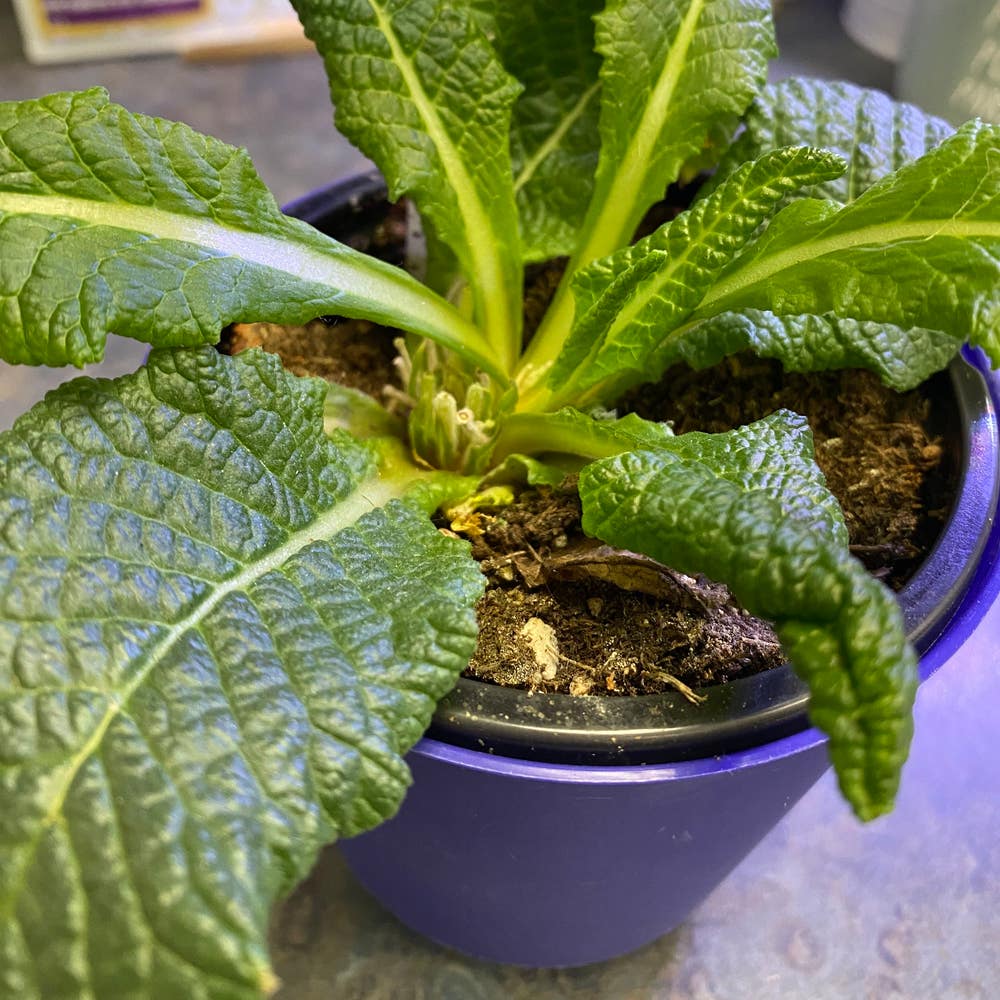
Best Tips for Handling Pests on Cowslip 🐞
Primula veris
By the Greg Editorial Team
Oct 19, 2024•6 min read
This article was created with the help of AI so we can cover more plants for you. May contain errors. See one? Report it here.
Keep your Cowslip thriving 🌱 by mastering pest identification and treatment for a vibrant, healthy garden! 🌼
- 🐛 Identify common pests like spider mites and aphids to manage Cowslip effectively.
- 🌱 Regular inspections help catch pest damage early, preventing major infestations.
- 🌿 Consider organic treatments like neem oil for sustainable pest control solutions.
Common Pests
🕷️ Spider Mites
Identification
Spider mites are tiny, spider-like creatures often lurking on the undersides of leaves. Look for fine webbing and stippled leaves as telltale signs of their presence.
Damage Caused
These pests can cause significant leaf discoloration and may lead to leaf drop if left unchecked.
Treatment Options
- Chemical: Use miticides specifically designed to target spider mites.
- Organic: Neem oil or insecticidal soap can effectively manage these pests.
🐢 Scale Insects
Identification
Scale insects are small, immobile pests that appear as raised bumps on stems and leaves. Sticky leaves from honeydew excretion are a clear sign of their infestation.
Damage Caused
By sucking sap, scale insects weaken plants, which can result in stunted growth.
Treatment Options
- Chemical: Systemic insecticides can help eliminate scale infestations.
- Organic: Rubbing alcohol on a cotton swab can effectively remove scales.
🦟 Fungus Gnats / Fruit Flies
Identification
Fungus gnats are small, dark flies that hover around the soil surface. You may also notice larvae visible in the soil.
Damage Caused
The larvae feed on roots, leading to root damage and poor plant health.
Treatment Options
- Chemical: Insecticides targeting larvae can be effective.
- Organic: Allowing the soil to dry out between waterings and using yellow sticky traps can help control their population.
❄️ Mealybugs
Identification
Mealybugs appear as white, cottony masses found in leaf axils and on stems. Their presence is often unmistakable.
Damage Caused
They cause yellowing leaves and can lead to overall plant decline.
Treatment Options
- Chemical: Insecticidal sprays can effectively tackle mealybug infestations.
- Organic: A mixture of neem oil and water or dish soap can also work wonders.
🐜 Aphids
Identification
Aphids are small, soft-bodied insects that cluster on new growth. Look for curling leaves and sticky residue as indicators.
Damage Caused
These pests suck sap, leading to distorted growth and potential disease transmission.
Treatment Options
- Chemical: Systemic insecticides can help manage aphid populations.
- Organic: Introducing ladybugs or using neem oil can provide natural control.
🦋 Whiteflies
Identification
Whiteflies are tiny white insects that fly up when leaves are disturbed. Their sudden movement is a clear sign of their presence.
Damage Caused
Similar to aphids, whiteflies suck sap and can transmit diseases to your plants.
Treatment Options
- Chemical: Insecticidal soap can effectively eliminate whiteflies.
- Organic: Yellow sticky traps and natural predators can help keep them at bay.
🐞 Weevils
Identification
Weevils are small beetles with elongated snouts, and their larvae are often found in the soil. Their unique shape makes them easy to spot.
Damage Caused
They chew on roots and foliage, leading to significant plant stress.
Treatment Options
- Chemical: Soil-drench insecticides can effectively target weevil infestations.
- Organic: Beneficial nematodes can help control larvae in the soil.
Understanding these common pests and their management options is crucial for maintaining healthy Cowslip plants. Next, we’ll explore pest resistance and how Cowslip naturally defends itself against certain threats.
Pest Resistance
🌱 Natural Resistance
Cowslip is naturally resilient against certain pests, which helps it thrive in various conditions. This built-in defense mechanism makes it less prone to widespread infestations, allowing it to flourish even when other plants struggle.
🐛 Less Likely Pests
While no plant is entirely pest-proof, Cowslip tends to be less affected by specific pests. For instance, you won't often see issues with root maggots or thrips, making Cowslip a more reliable choice for gardeners looking to minimize pest-related headaches.
This natural resistance not only reduces the need for chemical interventions but also supports a healthier garden ecosystem. With Cowslip, you can enjoy a vibrant garden while keeping pest problems at bay.
Next, let’s explore effective prevention strategies to maintain your Cowslip’s health and vitality.
Prevention
🛡️ Preventative Measures
Regular inspections are your first line of defense against pests. Look for early signs of trouble, such as discoloration or unusual growth patterns.
Healthy soil and proper watering practices are crucial. Strong plants are less susceptible to infestations, so ensure your cowslip gets the nutrients it needs.
🧹 Plant Hygiene
Keep your plants tidy by removing dead leaves and debris. This simple act can significantly reduce pest habitats.
Don't forget to clean your tools and pots. This helps prevent the transfer of pests from one plant to another, keeping your garden safe.
🔍 Inspection Routines
Establish a routine for checking your plants. Schedule bi-weekly inspections during the growing season to catch any infestations before they escalate.
Being proactive can save you time and effort in the long run. Early detection is key to maintaining a healthy cowslip garden.
With these preventative measures in place, you're setting yourself up for success. Next, let’s explore general pest management strategies to keep your plants thriving.
General Pest Management
🌱 Integrated Pest Management (IPM)
Integrated Pest Management (IPM) is a holistic approach to pest control that combines cultural, biological, and chemical methods. This strategy not only targets existing pests but also focuses on preventing future infestations, making it a sustainable choice for maintaining healthy plants.
Cultural methods include practices like crop rotation and selecting pest-resistant varieties. Biological methods involve introducing natural predators, while chemical methods should be used judiciously to minimize environmental impact.
🔍 Early Detection
Timely action is crucial in pest management. Regular inspections can help catch minor infestations before they escalate into major problems.
By monitoring your plants frequently, you can identify early signs of pests, such as discoloration or unusual growth patterns. This proactive approach not only protects your plants but also saves time and resources in the long run.
Incorporating these strategies into your routine will ensure that your cowslip remains healthy and vibrant, setting the stage for the next section on distinguishing similar pests.
Distinguishing Similar Pests
🕵️♂️ Identification Tips
Identifying pests accurately is crucial for effective management. For instance, aphids and mealybugs can easily be confused, but there are key differences to note.
Aphids are small, soft-bodied insects that often cluster on new growth. In contrast, mealybugs appear as white, cottony masses, typically found in leaf axils and on stems.
👀 Visual Cues
When it comes to color and size, aphids are usually green, black, or brown, measuring about 1/8 inch long. Mealybugs, on the other hand, are white and can be slightly larger, often around 1/4 inch.
Behavior also plays a role in identification. Aphids tend to move quickly and can be seen feeding on tender plant parts, while mealybugs are more stationary, clinging to the plant and excreting a sticky residue.
By paying attention to these visual cues, you can more easily distinguish between these pests and take appropriate action. This knowledge not only helps in pest control but also fosters a deeper understanding of your plants' health.
Next, let’s explore the various preventative measures you can take to keep your Cowslip thriving and pest-free.
⚠️ Safety First
This content is for general information and may contain errors, omissions, or outdated details. It is not medical, veterinary advice, or an endorsement of therapeutic claims.
Always consult a qualified healthcare professional before using any plant as food, medicine, or supplement.
Never eat any plant (or feed one to pets) without confirming its identity with at least two trusted sources.
If you suspect poisoning, call Poison Control (800) 222-1222, the Pet Poison Helpline (800) 213-6680, or your local emergency service immediately.
Spotted an error? Please report it here.
Keep your Cowslip thriving and pest-free 🌿 by using Greg's pest identification and care reminders to tackle challenges head-on and enjoy a vibrant garden!