🌼 Ultimate Guide to Cowslip Lifecycle
Primula veris
By the Greg Editorial Team
Oct 19, 2024•5 min read
This article was created with the help of AI so we can cover more plants for you. May contain errors. See one? Report it here.
Unlock the secrets of cowslip's lifecycle 🌼 to cultivate vibrant blooms in your garden with ease!
- 🌱 Cowslip lifecycle starts with germination, needing 15-20°C and moist soil.
- 🌼 Flowering occurs in late spring, producing fragrant yellow flowers that attract pollinators.
- 🌍 Optimal care ensures cowslips thrive for 3-5 years, enhancing biodiversity in gardens.
Stages of Cowslip Lifecycle
🌱 Germination Stage
Germination is the first step in the cowslip lifecycle, typically requiring a temperature range of 15°C to 20°C (59°F to 68°F). The soil must remain consistently moist but not waterlogged to promote successful germination.
Several factors can influence germination success. Seed viability is crucial; older seeds or those stored improperly may struggle to sprout. Additionally, some seeds require light exposure to trigger germination, making their placement important.
🌿 Seedling Stage
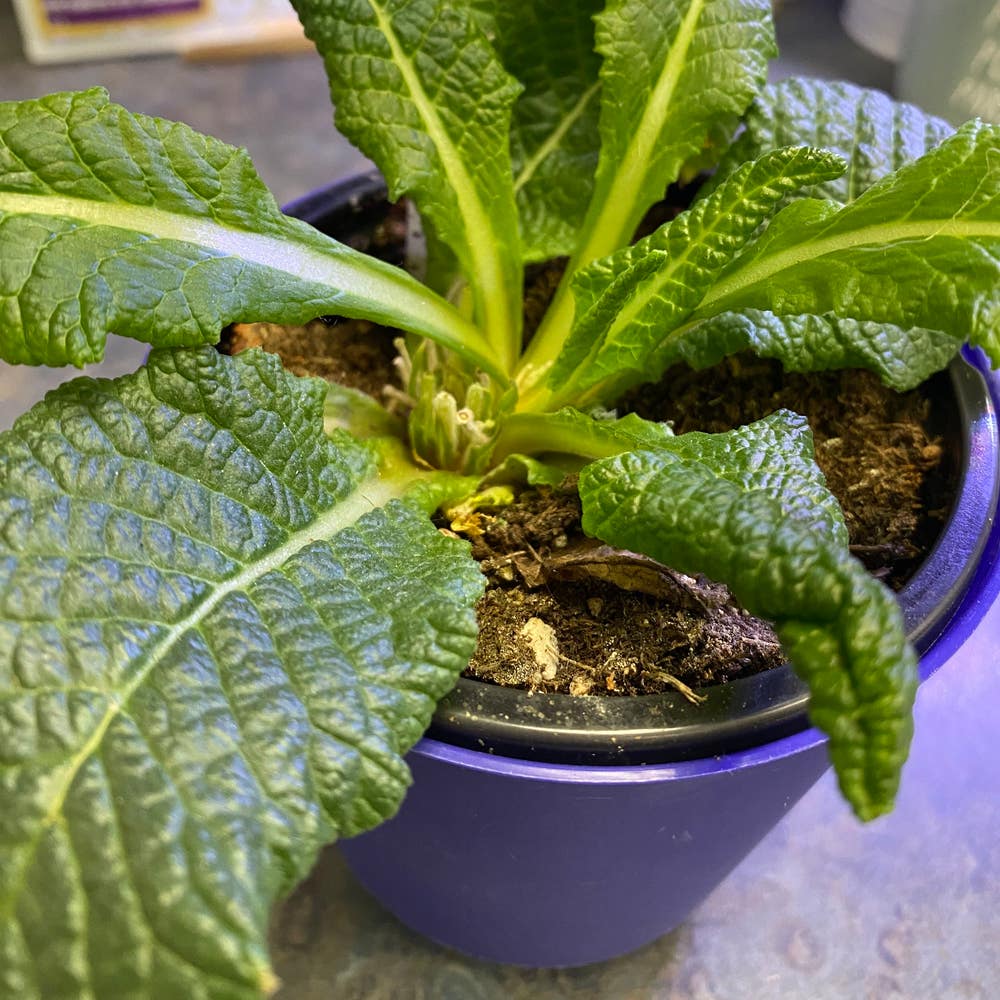
Once germination occurs, seedlings develop a rosette of low-growing, broad leaves. This stage is vital for establishing an initial root system, which is essential for nutrient uptake.
Seedlings typically take about 4-6 weeks to grow true leaves. During this time, care should focus on maintaining adequate moisture and light to support healthy growth.
🌳 Vegetative Growth Stage
In the vegetative growth stage, cowslips experience significant leaf expansion and root system strengthening. This phase is characterized by the development of additional leaves, contributing to the plant's overall structure.
The duration of this stage can vary from 6 to 12 months, depending on environmental conditions. Adequate sunlight and nutrient-rich soil are critical for optimal growth during this period.
🌼 Flowering Stage
The flowering stage usually occurs from late spring to early summer, specifically between April and June. During this time, flower stalks emerge, leading to noticeable height increases and color changes in the plant.
Clusters of yellow, fragrant flowers appear, attracting pollinators essential for the next stage of the lifecycle. This vibrant display not only enhances the landscape but also plays a crucial role in reproduction.
🌱 Seed Production Stage
Following flowering, cowslips enter the seed production stage. Pollination primarily occurs through insects, although self-pollination is also possible.
This stage lasts about 4-6 weeks, during which conditions must be favorable for successful seed set. Proper pollination ensures the continuation of the cowslip lifecycle, allowing future generations to thrive.
As we explore the growth rate and maturation time of cowslips, we’ll uncover how long it takes for these beautiful plants to reach their full potential.
Growth Rate and Maturation Time
How long until Cowslip is fully grown? 🌱
Cowslip typically takes 1-2 years to reach flowering maturity from seed. This timeframe can vary based on several factors.
Factors influencing growth rate 🌿
Key elements that affect growth include:
- Soil quality: Nutrient-rich soil promotes faster growth.
- Moisture levels: Consistent moisture is crucial, but avoid waterlogging.
- Light exposure: Adequate sunlight boosts photosynthesis and overall health.
Average maturation time for Cowslip ⏳
The average maturation time for Cowslip ranges from 1-3 years. This variation largely depends on environmental conditions, such as climate and care provided.
Understanding these growth timelines helps in planning for successful cultivation. With the right conditions, you can enjoy the beauty of Cowslip in your garden sooner than you think!
Next, let’s explore the notable changes that occur throughout the Cowslip lifecycle.
Notable Changes Throughout Lifecycle
Visual Changes at Each Stage 🌼
The lifecycle of the cowslip is marked by distinct visual transformations.
Germination: This stage kicks off with the emergence of cotyledons, the first leaves that signal life.
Seedling: As the plant matures, it develops a rosette of broad leaves, laying the groundwork for future growth.
Vegetative: During this phase, expect lush green foliage and noticeable height increase, showcasing the plant's vigor.
Flowering: Late spring brings vibrant yellow flowers that not only beautify the landscape but also attract pollinators, enhancing biodiversity.
Seed Production: Finally, the formation of seed capsules indicates readiness for the next generation, completing the lifecycle.
Physiological Changes During Growth 🌱
Alongside visual changes, physiological developments are crucial for the cowslip's survival.
Root System Development: A robust root system forms early on, essential for nutrient and water uptake. This foundation supports the plant's overall health.
Leaf Photosynthesis Efficiency: As the cowslip matures, its leaves become increasingly efficient at photosynthesis, fueling growth and energy production.
These changes not only highlight the beauty of the cowslip but also its resilience and adaptability in various environments.
Understanding these transformations provides insight into the plant's lifecycle and its role in the ecosystem.
Next, we’ll explore the overall lifespan of the cowslip and the factors that influence its longevity.
Overall Lifespan of Cowslip
Typical lifespan in natural habitat 🌱
Cowslips typically thrive for about 3-5 years in their natural habitat, given optimal conditions. This lifespan allows them to complete their lifecycle, from germination to seed production.
Factors affecting longevity 🌦️
Several environmental stressors can impact the longevity of cowslips. Drought, competition from other plants, and diseases can all shorten their lifespan, making it crucial to monitor their growing conditions.
Understanding these factors can help gardeners and enthusiasts create a supportive environment for these beautiful plants. By ensuring adequate moisture and minimizing competition, you can help cowslips reach their full potential.
As we explore the next section, we'll dive into the notable changes that occur throughout the cowslip lifecycle, highlighting the visual and physiological transformations that make this plant so fascinating.
⚠️ Safety First
This content is for general information and may contain errors, omissions, or outdated details. It is not medical, veterinary advice, or an endorsement of therapeutic claims.
Always consult a qualified healthcare professional before using any plant as food, medicine, or supplement.
Never eat any plant (or feed one to pets) without confirming its identity with at least two trusted sources.
If you suspect poisoning, call Poison Control (800) 222-1222, the Pet Poison Helpline (800) 213-6680, or your local emergency service immediately.
Spotted an error? Please report it here.
Unlock the beauty of cowslips 🌼 by using Greg's tailored care reminders to support each stage of their lifecycle for vibrant blooms and thriving plants!