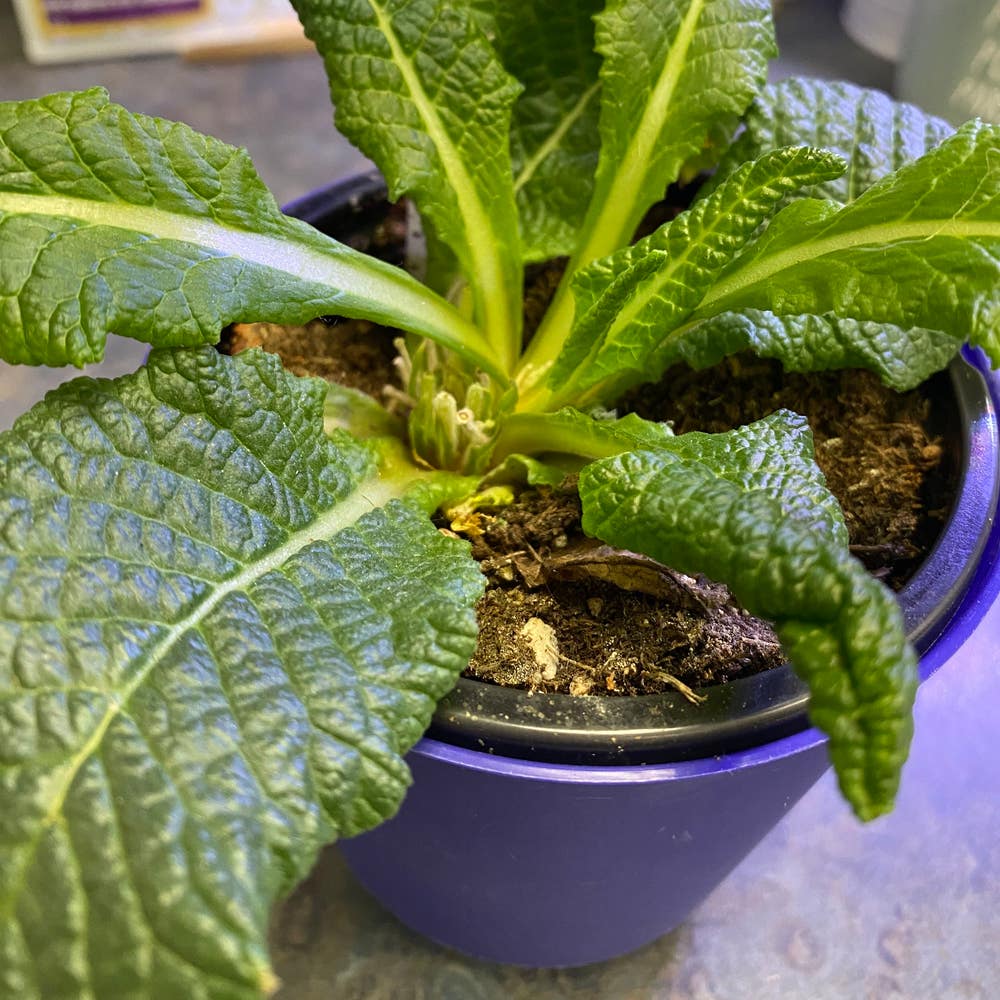
🌼 Ultimate Guide to Watering Your Cowslip
Primula veris
By the Greg Editorial Team
Oct 19, 2024•5 min read
This article was created with the help of AI so we can cover more plants for you. May contain errors. See one? Report it here.
Unlock vibrant blooms 🌼 by mastering the perfect watering routine for your Cowslip all year round!
- 💧 Water Cowslip every 1-2 weeks in spring; adjust for dormancy in late summer.
- 🌡️ Climate impacts watering frequency; monitor local weather for best results.
- 🌱 Check soil moisture using the finger test or moisture meter for optimal care.
How Often to Water Cowslip
🌊 General Watering Frequency
During the active growth phase in spring, Cowslip thrives with watering every 1-2 weeks. As the plant enters dormancy from late summer to fall, you can reduce watering to once every 2-3 weeks.
🌤️ Factors Affecting Watering Frequency
🌡️ Climate Considerations
The climate plays a significant role in your watering schedule. In hot, dry climates, you may need to water more frequently, while humid areas might lessen the need for regular watering.
🪴 Pot Size and Type
The size and type of pot also influence how often you should water. Smaller pots tend to dry out faster, so check the moisture more often, whereas larger pots retain moisture longer, allowing for a more relaxed watering schedule.
🌱 Soil Type
Soil type is crucial in determining watering frequency. Well-draining soils may require more frequent watering, while heavy soils retain moisture longer, so keep a close eye on them.
Understanding these factors will help you tailor your watering routine, ensuring your Cowslip remains healthy and vibrant. Next, let’s explore how to recognize watering issues to keep your plant thriving.
Recognizing Watering Issues
🚰 Signs of Over-Watering Cowslip
Over-watering can be detrimental to your cowslip. Look out for yellowing leaves, which signal root stress from excess moisture.
If you notice wilting despite wet soil, your roots may be suffocating. A foul odor is another red flag, indicating that root rot could be developing in overly saturated soil.
💧 Signs of Under-Watering Cowslip
Under-watering presents its own set of challenges. Drooping leaves are a clear sign that your cowslip is thirsty and needs more moisture.
You might also find dry, crumbly soil that pulls away from the pot edges. Additionally, if flower buds are dropping prematurely, it’s likely due to stress from insufficient water.
Recognizing these signs early can help you adjust your watering routine effectively. Next, let’s explore some practical watering techniques to keep your cowslip thriving.
Watering Techniques
🌊 Bottom-Watering Methods
Bottom-watering is an effective technique where water is applied from the bottom, allowing your Cowslip to absorb moisture through its drainage holes. This method encourages healthy root growth and prevents over-saturation.
Steps for Bottom-Watering
- Fill a shallow tray with water.
- Place the pot in the tray for 30 minutes.
- Remove the pot and allow any excess water to drain.
This simple process ensures your plant gets the hydration it needs without the risk of drowning its roots.
💧 Self-Watering Pots and Their Benefits
Self-watering pots are designed to provide consistent moisture through a built-in reservoir. They are a game-changer for busy plant parents.
Benefits of Self-Watering Pots
- Reduces the risk of over-watering: These pots help maintain the right moisture balance.
- Consistent moisture levels: Ideal for Cowslip, ensuring it thrives throughout its growth cycle.
Using self-watering pots can simplify your plant care routine, allowing you to focus on enjoying your Cowslip rather than worrying about its hydration needs.
With these techniques in hand, you’re well-equipped to keep your Cowslip healthy and thriving. Next, let’s explore how to measure soil moisture effectively to ensure your plant is getting just the right amount of water.
Measuring Soil Moisture
🌱 How to Measure Soil Moisture Levels
To ensure your Cowslip thrives, start with a simple visual inspection. Check the soil surface for dryness; if it looks parched, it’s time to water.
Next, perform a soil texture test. Squeeze a handful of soil; it should hold together but crumble easily when you release it. This indicates the right moisture balance.
🛠️ Tools for Measuring Moisture
For more precise measurements, consider using a moisture meter. Insert it into the soil to get an accurate reading, making it easier to determine when your plant needs water.
Alternatively, try the finger test. Insert your finger 1-2 inches into the soil; if it feels dry, it’s definitely time to water. This hands-on approach can help you connect with your plant's needs.
Understanding soil moisture is crucial for the health of your Cowslip. With the right techniques and tools, you can ensure your plant receives just the right amount of water.
Next, let’s explore effective watering techniques to keep your Cowslip flourishing.
Watering Schedule and Reminders
📱 Using the Greg Plant Care App for Reminders
The Greg Plant Care App is a game-changer for keeping your Cowslip thriving. This AI-powered tool sends you reminders tailored to your plant's specific needs.
To set it up, simply input the plant type (Cowslip) and its care requirements. You can also customize the watering frequency based on seasonal changes, ensuring your plant gets just the right amount of moisture.
🗓️ Customizing Your Watering Schedule Based on Plant Needs
Adjusting your watering schedule is crucial for optimal growth. During the blooming season in spring, increase the watering frequency to support your Cowslip's vibrant growth.
Conversely, as your plant enters dormancy in late summer, reduce the watering frequency. Additionally, keep an eye on environmental changes; if there's unexpected rainfall or temperature shifts, be ready to tweak your schedule accordingly.
By staying proactive, you can ensure your Cowslip remains healthy and flourishing throughout the year.
⚠️ Safety First
This content is for general information and may contain errors, omissions, or outdated details. It is not medical, veterinary advice, or an endorsement of therapeutic claims.
Always consult a qualified healthcare professional before using any plant as food, medicine, or supplement.
Never eat any plant (or feed one to pets) without confirming its identity with at least two trusted sources.
If you suspect poisoning, call Poison Control (800) 222-1222, the Pet Poison Helpline (800) 213-6680, or your local emergency service immediately.
Spotted an error? Please report it here.
Ensure your Cowslip thrives with custom watering reminders from Greg, so you can keep its hydration just right and watch it flourish! 💧