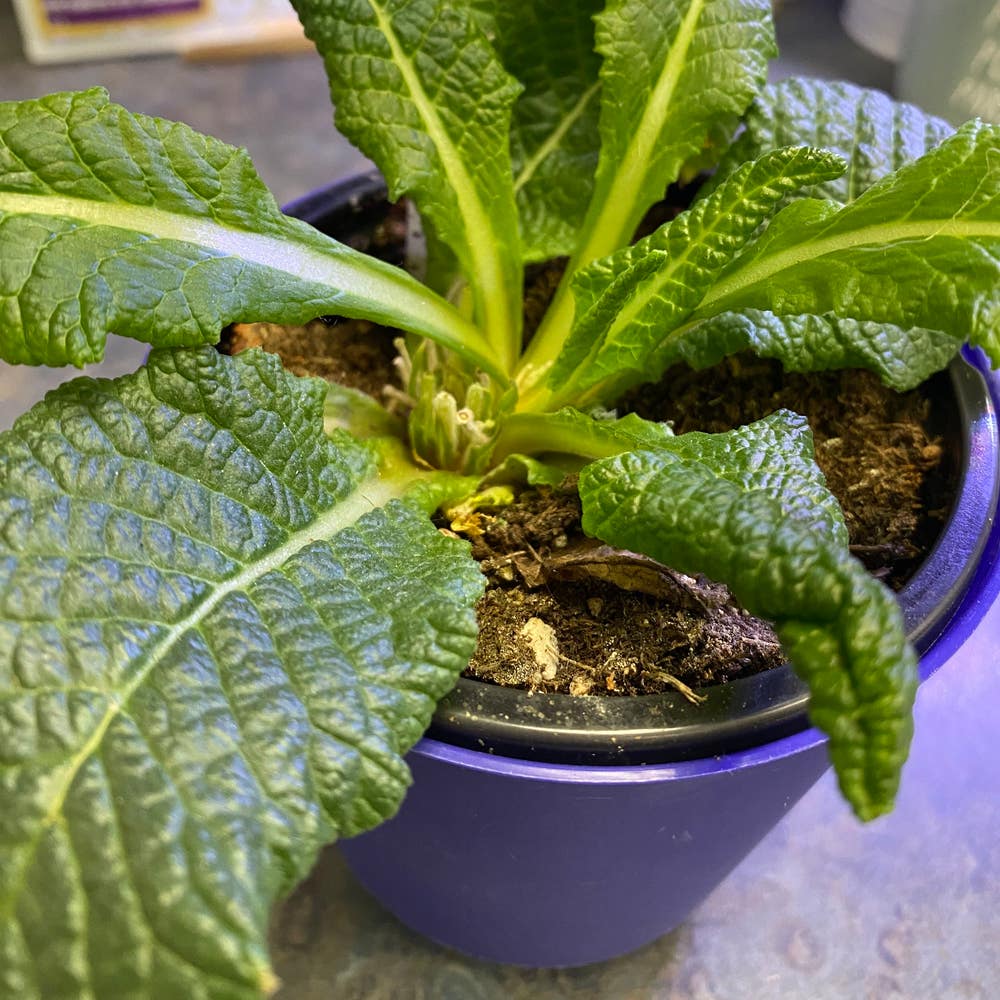
🌼 Ultimate Guide to Cowslip Primrose
Primula veris
By the Greg Editorial Team
Jan 23, 2025•12 min read
This article was created with the help of AI so we can cover more plants for you. May contain errors. See one? Report it here.
Elevate your garden with stunning Cowslip Primrose 🌼 by learning essential care and propagation tips for vibrant blooms!
- 🌱 Cowslip primrose thrives in well-drained soil and prefers partial shade to full sun.
- 🌼 Regular deadheading encourages more blooms and enhances the plant's overall health.
- 🐾 Cowslip primrose can irritate skin and cause mild upset if ingested by pets or humans.
How to Grow
Choosing a Location 🌞
Cowslip primrose thrives in conditions ranging from partial shade to full sun. Selecting a spot with well-drained soil is crucial for promoting healthy growth.
Soil Preparation 🏞️
Aim for a well-draining, fertile loam to give your cowslip primrose the best start. The ideal soil pH should be slightly acidic to neutral, ranging from 6.0 to 7.0.
Planting Techniques 🌱
When planting, ensure the depth is between 1-2 inches. Space your plants 12-18 inches apart to allow for optimal growth and airflow.
Watering Requirements 🚰
Regular watering is essential to maintain consistent moisture without causing waterlogging. Watch for signs of overwatering, like yellowing leaves, or underwatering, which may cause wilting.
Fertilizing Tips 🍽️
A light feeding in early spring with a balanced fertilizer will help your cowslip primrose flourish. You can choose between organic options or synthetic fertilizers based on your gardening preferences.
Pruning and Ongoing Care ✂️
Deadheading spent flowers is a simple yet effective pruning technique that encourages more blooms. As winter approaches, prepare your plants for dormancy by cutting back any dead foliage.
Outdoor vs. Container Growing 🌍
If you're considering container growing, ensure your pots are the right size and have adequate drainage. Outdoor planting offers the added benefits of a natural habitat and attracts pollinators, enhancing your garden's ecosystem.
With the right location, soil, and care, your cowslip primrose will thrive beautifully. Next, let’s explore how to propagate these lovely plants for even more blooms in your garden!
Propagation
🌱 Seed Propagation
To propagate Cowslip Primrose from seeds, sow them at a depth of 1/4 inch. Under optimal conditions, expect germination within 2 to 4 weeks.
✂️ Division of Established Plants
Dividing established plants is best done in early spring or fall. This technique rejuvenates the plant and encourages healthier growth.
🌿 Cuttings Method
For the cuttings method, select healthy stems that are 4-6 inches long. Use a rooting medium composed of peat and perlite to promote successful rooting.
Propagation is a rewarding process that allows you to expand your garden with beautiful Cowslip Primrose. Whether you choose seeds, division, or cuttings, each method offers a unique way to enjoy this lovely perennial.
Lifecycle
🌱 Lifecycle Stages
Cowslip Primrose is a perennial plant, meaning it lives for multiple years. This characteristic allows it to thrive and return each spring, bringing vibrant blooms to gardens.
🌡️ Germination Process
For optimal germination, maintain a temperature between 60-70°F (15-21°C). This warm environment encourages seeds to sprout effectively.
🌿 Seedling Development
Once germinated, seedlings take about 4-6 weeks to establish themselves. During this time, they develop a strong foundation for future growth.
🌳 Vegetative Growth Phase
In the vegetative phase, Cowslip Primrose focuses on leaf development and root establishment. This stage is crucial for building the plant's strength and resilience.
🌼 Flowering and Seed Production
Expect flowering to occur from late spring to early summer. After the blooms fade, the plant produces seeds, typically in late summer, ensuring the continuation of its lifecycle.
⏳ Lifespan and Growth Rate
Under optimal conditions, Cowslip Primrose has an overall lifespan of 3-5 years. It grows at a moderate pace, reaching maturity in about 1-2 years, ready to showcase its beauty.
As you nurture your Cowslip Primrose, understanding its lifecycle will help you provide the best care possible. Next, let's explore how to effectively propagate this lovely plant.
Size
Mature Height and Spread 🌱
Cowslip Primrose typically reaches an average height of 12 to 18 inches. Its spread can vary from 12 to 24 inches, depending on the growing conditions.
Growth Rate and Time to Full Size ⏳
This perennial plant takes approximately 1 to 2 years to reach its full size. With the right care, you can enjoy its vibrant blooms within this timeframe.
Size Variability Based on Growing Conditions 🌍
Several factors influence the size of Cowslip Primrose. Light exposure, soil quality, and water availability all play crucial roles in determining how robust your plants will grow.
Understanding these elements can help you create the ideal environment for your Cowslip Primrose, ensuring they thrive and bring beauty to your garden.
As you consider these factors, think about how they can affect not just size, but also the overall health and vibrancy of your plants. This knowledge will serve you well as you move on to the next section about the roots of this delightful flower.
Roots
Root System Characteristics 🌱
Cowslip Primrose features a fibrous root system that is both shallow and extensive. This structure allows the plant to absorb nutrients efficiently while stabilizing it in the soil.
Common Root-Related Issues 🚫
One of the most common problems is root rot, which can occur due to overwatering or poorly drained soil. To prevent this, ensure your plants are in well-draining soil and monitor watering habits closely.
Signs of unhealthy roots include discoloration and a mushy texture. If you notice these symptoms, it’s crucial to address the issue promptly to save your plant.
Identifying Healthy vs. Unhealthy Roots 🔍
Healthy roots should feel firm and have a vibrant color. If you’re unsure, gently remove the plant from its pot to inspect the roots.
Recognizing Rootbound Plants and Solutions 🪴
Rootbound plants exhibit stunted growth and may appear pot-bound. This occurs when roots fill the container, restricting further growth.
To remedy this, consider repotting the plant into a larger container or employing root pruning techniques. Both methods can rejuvenate your Cowslip Primrose, allowing it to thrive once again.
As we explore the benefits of Cowslip Primrose, you'll see how its robust root system contributes to its overall health and vitality.
Benefits
🌟 Top 5 Benefits
Cowslip primrose offers a multitude of benefits that can enhance any garden.
Attracts Pollinators: These vibrant flowers are a magnet for bees and butterflies, promoting a healthy ecosystem.
Enhances Garden Diversity: With their bright blooms, cowslip primroses add color and variety, making your garden visually appealing.
Historical Use in Traditional Medicine: Historically, cowslip has been valued for its medicinal properties, often used in herbal remedies.
Natural Ground Cover: Their spreading nature helps suppress weeds, reducing the need for chemical herbicides.
Symbol of Spring and Renewal: Cowslip primrose is celebrated in folklore as a harbinger of spring, embodying themes of renewal and growth.
🎭 Cultural Significance
Cowslip primrose holds a special place in cultural history.
In various traditions, it has been used in folk medicine and rituals, symbolizing healing and rejuvenation.
Its presence in gardens not only beautifies the space but also connects us to a rich tapestry of historical practices and beliefs.
Embracing cowslip primrose in your garden is not just about aesthetics; it's about honoring a plant that has stood the test of time.
As you cultivate these flowers, you’re participating in a legacy that celebrates nature’s beauty and utility.
Ready to explore how to propagate this lovely plant? Let’s dive into the next section!
Companion Plants
🌱 Concept of Companion Planting
Companion planting is a gardening technique that pairs plants together for mutual benefits. This practice can enhance growth and improve pest management, creating a healthier garden ecosystem.
🌼 Best Companion Plants
When growing Cowslip Primrose, consider these companion plants:
- Wildflowers: They attract beneficial insects and pollinators.
- Herbs: Such as thyme and chives, which can deter pests and enhance flavor.
- Other Primroses: They thrive in similar conditions and create a vibrant display.
🚫 Plants to Avoid
While companion planting can be beneficial, some plants should be avoided. Certain species may compete for nutrients and space, leading to stunted growth or poor health in your Cowslip Primrose.
Be mindful of overcrowding and choose companions wisely to ensure a thriving garden. This thoughtful approach not only promotes healthy growth but also enhances the overall beauty of your garden.
As you plan your garden layout, remember that the right companions can make all the difference. Next, let’s explore the potential toxicity of Cowslip Primrose to pets and humans.
Toxicity to Humans
Potential Irritation 🌿
Cowslip primrose can cause irritation if certain parts are handled improperly. The leaves and flowers are the main culprits, potentially leading to skin rashes or mild gastrointestinal upset if ingested.
Safe Handling Tips 🧤
To avoid any adverse reactions, it's wise to wear gloves when handling cowslip primrose. Always wash your hands thoroughly after contact to ensure any irritants are removed.
Understanding these precautions allows you to enjoy the beauty of cowslip primrose while staying safe. With proper care, you can appreciate this lovely plant without worry.
Edible
Edible Parts 🌼
Cowslip primrose offers delightful edible parts, primarily its flowers and leaves. These vibrant blooms not only add beauty to your garden but can also enhance your culinary creations.
Identification and Harvesting Techniques ⏰
When it comes to harvesting, timing is key. Pick flowers in the morning when they are fully open for the best flavor, and choose young leaves before they mature for a tender texture.
Nutritional Value 🥗
Cowslip primrose is not just pretty; it’s packed with nutrients. The flowers and leaves contain vitamins A and C, along with essential minerals, making them a nutritious addition to salads or herbal teas.
This unique plant not only beautifies your space but also offers a tasty and healthy option for your kitchen. As you explore the edible aspects of cowslip primrose, consider how it can enrich both your garden and your meals.
Toxicity to Dogs
Potential Irritation 🐶
Cowslip primrose can be a concern for our furry friends. The leaves and flowers contain compounds that may cause irritation if ingested.
Symptoms to Watch For 👀
If a dog comes into contact with or eats parts of the cowslip primrose, you might notice symptoms like drooling, mild vomiting, or skin irritation.
Safe Handling Tips 🧤
To keep your canine companions safe, it's wise to wear gloves when handling these plants. Always wash your hands afterward to avoid any accidental contact.
What to Do If Your Dog Is Affected 🚑
If you suspect your dog has ingested cowslip primrose, monitor them closely. If symptoms persist or worsen, consult your veterinarian for guidance.
Conclusion 📝
Being aware of the potential toxicity of cowslip primrose can help you create a safer environment for your pets. With a little caution, you can enjoy the beauty of these flowers while keeping your furry friends healthy.
Next, let's explore the toxicity of cowslip primrose to cats, as they can also be affected by this plant.
Toxicity to Cats
Potential Irritation 🐱
Cowslip primrose can pose a risk to our feline friends. The leaves and flowers contain compounds that may lead to irritation if ingested.
Symptoms to Watch For 🤢
If a cat comes into contact with or consumes parts of the cowslip primrose, you might notice some telltale signs. Common symptoms include drooling, pawing at the mouth, and mild vomiting.
Keeping Cats Safe 🛡️
To keep your curious cats safe, consider placing cowslip primrose in areas that are out of their reach. Always monitor your pets around new plants and consult a vet if you suspect ingestion.
Conclusion 📜
Being aware of the potential toxicity of cowslip primrose helps ensure a safe environment for your cats. With a little caution, you can enjoy the beauty of these flowers while keeping your furry companions healthy.
Next, let’s explore the toxicity of cowslip primrose to dogs and how to protect them as well.
Problems
🌼 Common Problems with Cowslip Primrose
Growing Cowslip Primrose can be rewarding, but it’s not without its challenges. Understanding these common problems will help you keep your plants thriving.
💧 Incorrect Watering
Watering is crucial for healthy growth. Overwatering can lead to root rot, while underwatering may cause wilting and stress.
Signs of Overwatering:
- Yellowing leaves
- Mushy roots
Signs of Underwatering:
- Wilting leaves
- Dry soil
☀️ Incorrect Light Conditions
Cowslip Primrose prefers partial shade to full sun. Insufficient light can stunt growth and lead to leggy plants.
Symptoms of Insufficient Light:
- Stretching towards light
- Sparse foliage
🦠 Diseases
Fungal diseases can plague your Cowslip Primrose. Powdery mildew and rust are common culprits that can affect overall health.
Preventive Measures:
- Ensure good air circulation
- Avoid overhead watering
🍃 Leaf Issues
Leaf problems can signal distress. Yellowing leaves often indicate nutrient deficiencies or poor watering practices.
Scorching Leaves:
- Caused by excessive sun exposure
- Can lead to crispy edges
📉 Growth Problems
If your Cowslip Primrose isn’t flowering, it might be experiencing growth issues. Etiolated growth, where stems stretch excessively, often results from inadequate light.
Lack of Flowering:
- May indicate stress or poor health
- Check for proper care and conditions
By recognizing these issues early, you can take action to ensure your Cowslip Primrose remains healthy and vibrant. Next, let’s explore the fascinating world of pests that might threaten your plants.
Bugs
Potential Pest Issues 🐛
Cowslip primrose is generally resilient, but it can still face pest challenges. Understanding its vulnerabilities helps in maintaining a healthy plant.
Identification and Treatment Options 🔍
Common pests that may invade include spider mites, aphids, and mealybugs.
- Spider Mites: Look for fine webbing and stippled leaves.
- Aphids: These tiny insects cluster on new growth, causing curling and yellowing.
- Mealybugs: Recognizable by their cotton-like appearance, they can weaken plants significantly.
Treatment Methods
For pest control, you have both organic and chemical options.
- Organic Treatments: Neem oil, insecticidal soap, and introducing beneficial insects like ladybugs can effectively manage infestations.
- Chemical Options: If the problem escalates, consider using targeted pesticides, but always follow label instructions to minimize harm to beneficial insects.
Keeping a close eye on your cowslip primrose will help you catch any pest issues early, ensuring your garden remains vibrant and healthy. Next, let’s explore what animals might be munching on your plants.
What Eats
🦌 Common Animals
Cowslip Primrose can attract a variety of wildlife, which may pose a threat to its growth. Common culprits include deer, rabbits, and rodents, all of which find the plant's tender leaves and flowers quite appealing.
🚨 Signs of Damage
To protect your Cowslip Primrose, it's essential to recognize the signs of animal damage. Look for tracks in the soil, droppings nearby, and telltale nibbling on the leaves, which can indicate that your garden is being visited by hungry critters.
🛡️ Deterrent Methods
Preventing damage from these animals can be achieved through various methods. Consider using fencing to create a physical barrier, applying repellents to deter them, or employing companion planting strategies to confuse and distract pests.
By taking these steps, you can help ensure your Cowslip Primrose thrives in your garden. Next, we’ll explore the potential pest issues that can affect this beautiful plant.
⚠️ Safety First
This content is for general information and may contain errors, omissions, or outdated details. It is not medical, veterinary advice, or an endorsement of therapeutic claims.
Always consult a qualified healthcare professional before using any plant as food, medicine, or supplement.
Never eat any plant (or feed one to pets) without confirming its identity with at least two trusted sources.
If you suspect poisoning, call Poison Control (800) 222-1222, the Pet Poison Helpline (800) 213-6680, or your local emergency service immediately.
Spotted an error? Please report it here.
Cultivate a thriving cowslip primrose garden 🌼 with Greg's tailored care reminders and expert tips that ensure your plants flourish while attracting pollinators!