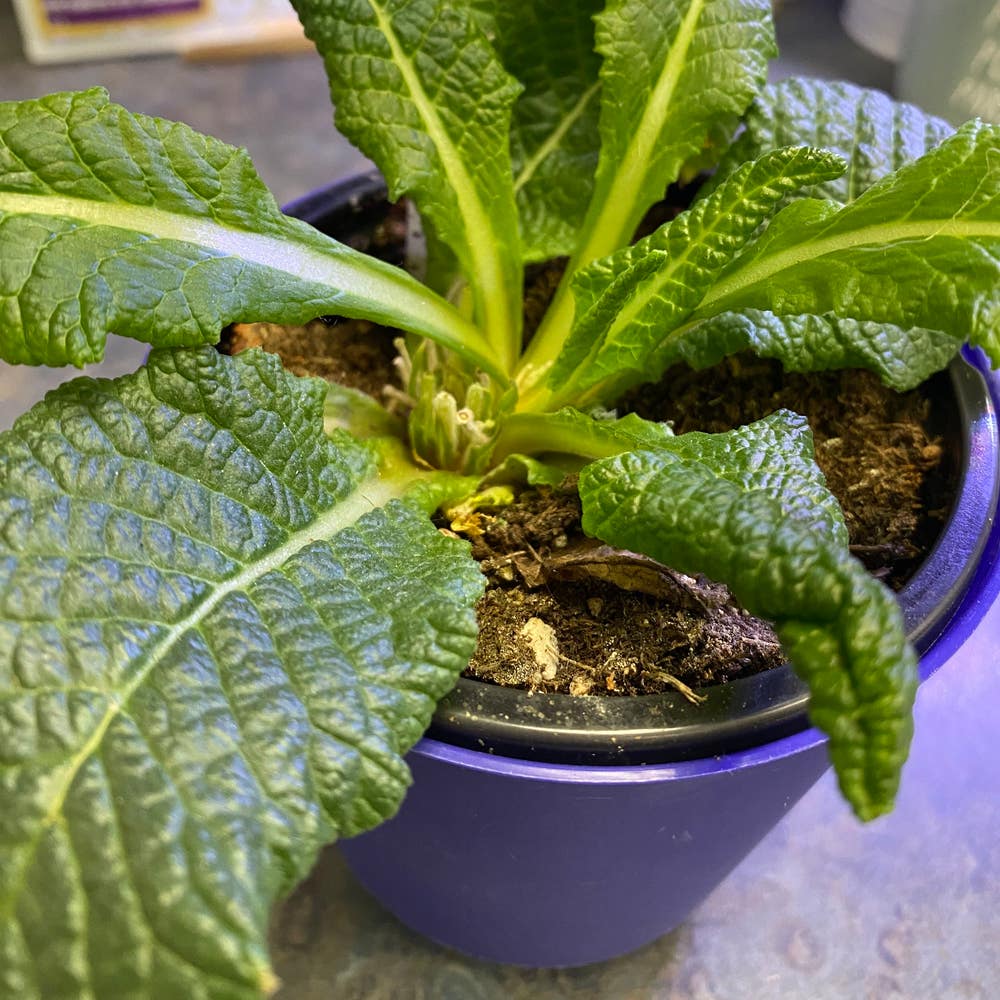
5 Tips for Healing Leaves Falling Over on Your Cowslip 🩹
Primula veris
By the Greg Editorial Team
Oct 19, 2024•4 min read
This article was created with the help of AI so we can cover more plants for you. May contain errors. See one? Report it here.
Transform drooping Cowslip leaves 🌱 into vibrant foliage with these essential care tips for a thriving garden! 🌿
- 🌡️ Excessive heat and poor drainage cause drooping leaves in Cowslip.
- 🌱 Nutrient deficiencies and pests weaken foliage; early detection is crucial.
- 💧 Consistent soil moisture without sogginess prevents root rot and promotes health.
Causes of Leaves Falling Over
🌡️ Environmental Stress
Excessive heat can be a major culprit in causing Cowslip leaves to droop. Poor drainage and overwatering also contribute significantly, leading to soggy roots that can’t breathe.
🍽️ Nutrient Deficiencies
When Cowslip lacks essential nutrients, it results in weak foliage that can’t support itself. A balanced diet is crucial for robust plant health.
🐛 Pest Infestations
Pests can wreak havoc on your Cowslip, causing leaves to fall over. Identifying these invaders early can save your plant from further damage.
Understanding these causes is the first step toward effective treatment. Next, let’s dive into how to diagnose the specific issues affecting your Cowslip.
Diagnosing the Problem
🌍 Environmental Factors Affecting Cowslip
Soil conditions play a crucial role in the health of your Cowslip. Well-drained, moist soil is essential; too much water can lead to root rot, while too little can cause stress.
Sunlight requirements are also vital. Cowslip thrives in conditions ranging from partial shade to full sun, so finding the right balance is key for robust foliage.
Temperature sensitivity is another factor to consider. Excessive heat can cause leaves to droop, signaling that your plant is struggling to cope with its environment.
🐛 Common Pests and Diseases
Identifying common pests is essential for maintaining healthy Cowslip. Aphids and slugs are frequent culprits that can wreak havoc on your plants.
Diseases like root rot can also impact leaf health significantly. This condition often arises from poor drainage and can lead to severe foliage decline if not addressed promptly.
Recognizing signs of infestation early can save your Cowslip. Look for yellowing leaves, sticky residue, or visible pests to catch problems before they escalate.
By understanding these environmental factors and potential threats, you can take proactive steps to ensure your Cowslip remains vibrant and healthy. Next, we’ll explore effective treatment and recovery strategies to revive drooping leaves.
Treatment and Recovery
Step-by-Step Guide to Treating Drooping Leaves 🌱
Assess Watering Needs: Start by checking the soil moisture levels. This will help you determine if your Cowslip is overwatered or underwatered.
Adjust Sunlight Exposure: If your plant isn’t thriving, consider moving it to a spot with optimal light conditions. Cowslip prefers a balance of partial shade to full sun.
Inspect for Pests: Use a magnifying glass to closely examine the leaves and stems. Early detection of pests can save your plant from significant damage.
Apply Appropriate Treatments: If you find pests, treat them with insecticidal soap or organic pest control methods. These options are effective and less harmful to the environment.
Prune Damaged Leaves: Remove any severely affected foliage. This encourages new growth and helps the plant focus its energy on healthier leaves.
Recommended Soil Amendments and Fertilizers 🌿
Soil Amendments: To improve drainage and moisture retention, consider adding organic matter like compost or peat moss. These amendments create a healthier environment for root development.
Fertilization Schedule: Feed your Cowslip regularly during the growing season. A balanced approach ensures your plant receives the nutrients it needs without overwhelming it.
Types of Fertilizers: Opt for balanced NPK fertilizers, which provide essential nutrients. Look for options with equal parts nitrogen, phosphorus, and potassium for optimal growth.
By following these treatment steps and recommendations, you can rejuvenate your Cowslip and promote vibrant, healthy foliage. Next, let’s explore preventative measures to keep your plant thriving in the long run.
Preventative Measures
Best Practices for Watering Cowslip 🌊
Maintaining the right watering frequency is crucial for Cowslip health. Aim to keep the soil consistently moist but not soggy; a good rule of thumb is to water when the top inch of soil feels dry.
Recognizing the signs of overwatering can save your plants from root rot. Look for yellowing leaves, a musty smell from the soil, or wilting despite wet soil—these are clear indicators that you might be giving your Cowslip too much love.
Ideal Sunlight and Temperature Conditions ☀️
Cowslip thrives best in optimal sunlight conditions. Ideally, they prefer partial shade to full sun, so choose a spot that gets at least four to six hours of sunlight each day.
Temperature also plays a significant role in their growth. Cowslip flourishes in moderate temperatures, ideally between 60°F to 75°F (15°C to 24°C). Extreme heat can stress the plant, leading to drooping leaves.
By following these preventative measures, you can create a nurturing environment for your Cowslip, ensuring they remain healthy and vibrant. Next, let’s explore how to diagnose any issues that may arise.
⚠️ Safety First
This content is for general information and may contain errors, omissions, or outdated details. It is not medical, veterinary advice, or an endorsement of therapeutic claims.
Always consult a qualified healthcare professional before using any plant as food, medicine, or supplement.
Never eat any plant (or feed one to pets) without confirming its identity with at least two trusted sources.
If you suspect poisoning, call Poison Control (800) 222-1222, the Pet Poison Helpline (800) 213-6680, or your local emergency service immediately.
Spotted an error? Please report it here.
Revitalize your Cowslip and keep those leaves standing tall 🌱 by using Greg's tailored care reminders and expert tips to create the perfect nurturing environment!