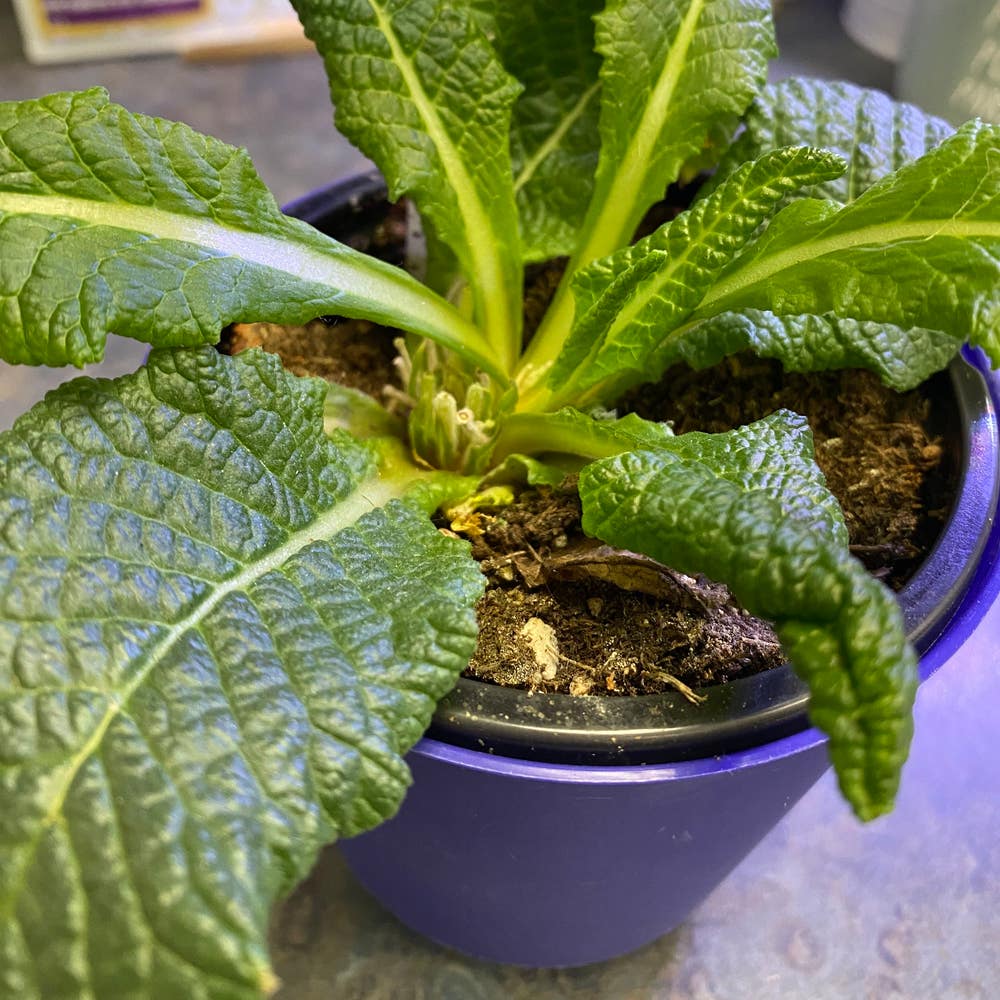
Best Tips for Pruning Cowslip 🌼
Primula veris
By the Greg Editorial Team
Oct 19, 2024•5 min read
This article was created with the help of AI so we can cover more plants for you. May contain errors. See one? Report it here.
Unlock vibrant blooms and a thriving garden 🌱 by mastering the essential techniques of cowslip pruning!
- ✂️ Use sharp tools like shears and scissors for effective cowslip pruning.
- 🌱 Prune in early spring or post-bloom for optimal plant health and growth.
- 🌼 Regular deadheading promotes vibrant blooms and bushier growth in cowslip.
Tools Needed for Pruning
✂️ Essential Pruning Tools
To effectively prune your cowslip, you'll need a few essential tools. Start with pruning shears; they should be sharp and clean for precise cuts that promote healthy growth.
Next, grab a pair of garden scissors for delicate trimming. These are perfect for those intricate areas where precision is key. Don’t forget to wear gloves to protect your hands from sap and thorns, ensuring a comfortable pruning experience. Lastly, a rake is essential for collecting debris after your pruning session, keeping your garden tidy.
🧰 Maintenance of Tools
Maintaining your tools is just as important as having the right ones. Regularly sharpen the blades to ensure clean cuts, which helps prevent damage to the plants.
Additionally, it's crucial to clean your tools with disinfectant after each use. This practice helps prevent the spread of diseases, keeping your cowslip healthy and vibrant. Taking care of your tools not only extends their lifespan but also enhances your gardening experience.
With the right tools and maintenance, you're well on your way to successful pruning. Next, let’s explore the best times to prune your cowslip for optimal growth.
When to Prune
Best Time of Year for Pruning 🌱
Timing is everything when it comes to pruning cowslip. The ideal window is early spring, just before new growth kicks in, allowing you to shape the plant for a vibrant season ahead.
Alternatively, consider post-bloom pruning. After the flowering period, trimming encourages fresh growth and prepares the plant for the next blooming cycle.
Signs That Pruning is Needed 🔍
Recognizing when to prune is crucial for maintaining healthy cowslip. Look for overcrowded growth; if your plants appear bushy and tangled, it’s time to take action.
Dead or damaged leaves are another clear indicator. Yellowing or browning foliage signals that pruning can help rejuvenate the plant. Lastly, if you notice reduced flowering—fewer blooms than in previous years—pruning can stimulate new growth and enhance flowering potential.
By keeping an eye on these signs, you can ensure your cowslip remains healthy and vibrant throughout the growing season. Next, let’s dive into the step-by-step instructions for effective pruning.
How to Prune
Step-by-Step Pruning Instructions 🌱
Assess the plant: Start by examining your cowslip. Look for areas that need attention, such as overcrowded stems or damaged leaves.
Remove dead or damaged leaves: Cut these back to the base. This helps the plant focus its energy on healthy growth.
Thin out overcrowded areas: Selectively prune stems to improve air circulation. This not only enhances the plant's health but also encourages better flowering.
Shape the plant: Trim to maintain a natural form. Avoid excessive cutting to keep the plant looking lush and vibrant.
Clean up: Collect and dispose of cuttings. This prevents disease and keeps your garden tidy.
Techniques for Shaping and Thinning ✂️
Thinning: Aim to remove about one-third of the oldest stems. This promotes new growth and rejuvenates the plant.
Shaping: Strive for a rounded appearance. Cut back longer stems to match shorter ones, creating a balanced look.
Pruning cowslip can seem daunting, but with these steps, you'll foster a healthier, more vibrant plant. Next, let’s explore the importance of deadheading to keep your blooms coming!
Deadheading
Importance of Deadheading for Flowering 🌸
Deadheading is essential for encouraging prolonged blooming in cowslip. By removing spent flowers, you prevent the plant from diverting energy into seed production, allowing it to focus on producing more blooms.
Additionally, deadheading promotes bushier growth. This simple practice stimulates new flower production, enhancing the overall appearance of your garden.
How to Deadhead Properly ✂️
- Identify spent flowers: Look for wilted or brown blooms that have outlived their beauty.
- Use clean shears: Cut the flower stem back to the nearest leaf node to encourage new growth.
- Dispose of cut flowers: Remove debris from the area to prevent disease and keep your garden tidy.
By incorporating deadheading into your routine, you’ll enjoy a vibrant display of flowers throughout the growing season. This small effort can lead to a more flourishing and healthy cowslip plant.
Next, let’s explore common pruning mistakes to avoid, ensuring your pruning efforts yield the best results.
Common Pruning Mistakes
Mistakes to Avoid 🌪️
Pruning can be a delicate balance, and common mistakes can lead to stress for your cowslip.
- Over-pruning: Removing too much foliage can weaken the plant, making it vulnerable to pests and diseases.
- Pruning at the wrong time: Cutting too late in the season can hinder flowering, robbing you of those beautiful blooms.
How to Correct Pruning Errors 🔧
If you've made a misstep, don’t panic; there are ways to recover.
Assess the damage: Take a close look at what was cut incorrectly. Understanding the extent of the error is crucial for recovery.
Allow recovery time: Give your plant a chance to bounce back before attempting any further pruning. Wait until you see signs of new growth.
Adjust future pruning practices: Learn from your mistakes. Tailor your approach based on how the plant responds to past pruning efforts.
By avoiding these pitfalls and correcting errors thoughtfully, you can ensure your cowslip thrives. Now, let’s explore how to care for your plants after pruning to keep them healthy and vibrant.
Post-Pruning Care
🌱 Caring for Cowslip After Pruning
After pruning, proper care is essential for your cowslip to thrive. Start with watering; ensure the soil remains consistently moist but avoid waterlogging, which can lead to root rot.
Next, consider fertilization. Applying a balanced fertilizer will provide the nutrients necessary to support new growth, helping your plant bounce back stronger than ever.
🔍 Monitoring Plant Health Post-Pruning
Regular checks on your cowslip are crucial. Look for signs of stress or disease, such as wilting leaves or unusual discoloration.
If you notice any issues, adjust your care accordingly. Modifying watering and fertilization based on the plant's response will help ensure its health and vitality as it recovers from pruning.
With these steps, your cowslip will not only survive but flourish, setting the stage for vibrant blooms in the seasons to come.
⚠️ Safety First
This content is for general information and may contain errors, omissions, or outdated details. It is not medical, veterinary advice, or an endorsement of therapeutic claims.
Always consult a qualified healthcare professional before using any plant as food, medicine, or supplement.
Never eat any plant (or feed one to pets) without confirming its identity with at least two trusted sources.
If you suspect poisoning, call Poison Control (800) 222-1222, the Pet Poison Helpline (800) 213-6680, or your local emergency service immediately.
Spotted an error? Please report it here.
Transform your cowslip into a blooming masterpiece 🌼 with Greg's tailored pruning reminders and expert tips that keep your plants thriving!