🌼 Cowslip Is a Garden Plant, Not a Weed
Primula veris
By the Greg Editorial Team
Oct 19, 2024•4 min read
This article was created with the help of AI so we can cover more plants for you. May contain errors. See one? Report it here.
Transform your garden with Cowslip, a non-invasive plant that boosts biodiversity and attracts pollinators! 🌼
- 🌼 Cowslip is a non-invasive plant, enhancing biodiversity without disrupting ecosystems.
- 🐝 Attracts vital pollinators like bees and butterflies, boosting garden health.
- 🌱 Supports diverse plant communities by competing minimally with other flora.
Plant Classification
Definition of Invasive Species 🌱
Invasive species are plants or animals that thrive in new environments, often outpacing native species. They typically exhibit rapid growth and spread, displacing local flora and negatively impacting ecosystems.
Key characteristics of invasive species include:
- Rapid Growth and Spread: They can quickly dominate an area, making it hard for native plants to survive.
- Displacement of Native Flora: By taking over, they reduce biodiversity and alter habitats.
- Negative Impact on Local Ecosystems: Their presence can disrupt food chains and ecological balance.
Cowslip's Non-Invasive Nature 🌼
Cowslip stands out as a non-invasive garden plant. Its growth is controlled, and it doesn’t aggressively spread beyond its natural habitat.
This plant coexists harmoniously with other flora, enhancing the ecosystem rather than disrupting it. By contributing positively, Cowslip supports local biodiversity and helps maintain a balanced garden environment.
In the next section, we’ll explore Cowslip's growth habits, shedding light on its unique characteristics and seasonal cycles.
Growth Habits
Typical Growth Patterns 🌱
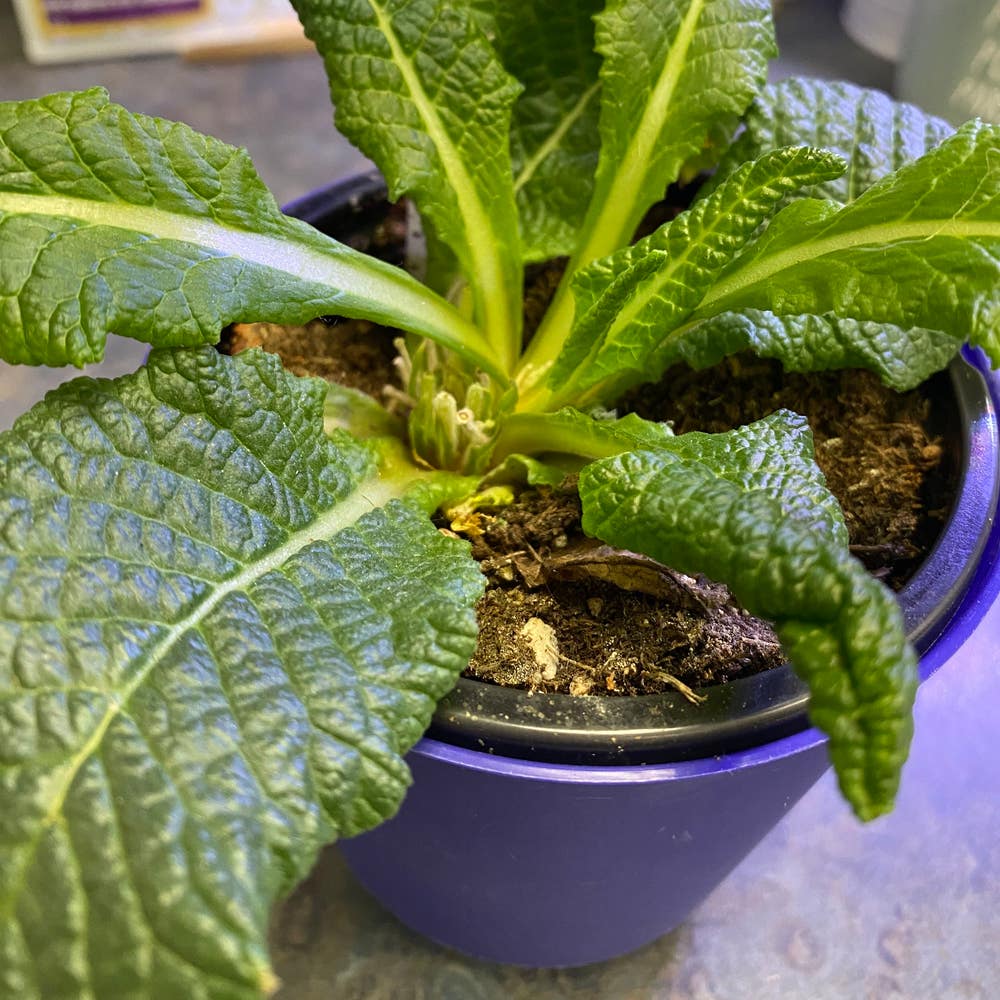
Cowslip exhibits a charming growth form characterized by a rosette of leaves at its base. Flowering stems rise above this rosette, typically reaching heights of 12-18 inches (30-45 cm).
Spread Potential and Limitations 🌍
This plant spreads through seed dispersal and vegetative reproduction. However, it prefers well-drained soil and can tolerate partial shade, which limits its spread in overly wet or shaded areas.
Seasonal Growth Cycles 🍂
In spring, Cowslip bursts into bloom, with its peak flowering period occurring in April and May. During summer, the foliage remains vibrant, but flowering ceases as the plant enters a dormant phase.
In the fall and winter, the leaves die back, yet the roots remain active underground, preparing for the next growing season. This cycle showcases Cowslip's resilience and adaptability in various garden settings.
As we explore the ecological role of Cowslip, we’ll see how it benefits local wildlife and interacts with other plants in the garden.
Ecological Role
Benefits to Local Wildlife 🐝
Cowslip is a true friend to local wildlife. It attracts essential pollinators like bees and butterflies, playing a vital role in enhancing biodiversity.
During early spring, when many plants are still waking up, Cowslip provides much-needed nectar and pollen. This early bloom is crucial for pollinators emerging from winter, ensuring they have food sources right when they need them.
Interactions with Other Plants 🌱
Cowslip is a team player in the garden ecosystem. It competes minimally with other plants, allowing diverse plant communities to thrive.
Its rosette growth habit can even help suppress weeds, giving neighboring plants a better chance to flourish. This cooperative nature makes Cowslip an excellent addition to any garden, promoting a balanced ecosystem.
As we explore the best practices for incorporating Cowslip into your garden, consider how its ecological benefits can enhance your outdoor space.
Garden Management
Best Practices for Incorporating Cowslip 🌱
Cowslip thrives in well-drained soil, making it perfect for spots that receive partial shade to full sun. When planting, space them 12-18 inches apart to promote natural growth and ensure good air circulation.
Controlling Growth 🛡️
Regular monitoring is key to keeping Cowslip in check and preventing unwanted spread. Deadheading spent flowers can significantly reduce seed production, helping maintain a tidy garden.
Dividing clumps every few years not only keeps the plants vigorous but also controls their spread effectively. This moderate effort can lead to a flourishing garden filled with these charming blooms.
Incorporating Cowslip into your garden not only enhances its beauty but also supports local wildlife. As we explore its ecological role next, you'll see how this plant contributes to a vibrant garden ecosystem.
Comparison to Other Plants
🌼 Similar Non-Invasive Plants
Cowslip stands out among non-invasive plants, sharing the spotlight with Primula japonica and various native wildflowers. Both Cowslip and Primula japonica thrive in similar environments, preferring well-drained soil and partial shade.
These plants not only coexist peacefully but also contribute to a vibrant garden ecosystem. Their non-invasive nature allows them to enhance biodiversity without overwhelming other flora.
🌟 Unique Qualities
What truly sets Cowslip apart are its distinctive yellow flowers and its early spring bloom time. While many plants wait until summer to show off, Cowslip bursts into color, providing a cheerful welcome to the warmer months.
Additionally, Cowslip carries cultural significance and historical uses that add to its charm. From traditional medicine to folklore, this plant has woven itself into the fabric of human history, making it more than just a pretty face in the garden.
As we explore the ecological role of Cowslip, we’ll see how its unique qualities benefit not just our gardens but also the local wildlife.
⚠️ Safety First
This content is for general information and may contain errors, omissions, or outdated details. It is not medical, veterinary advice, or an endorsement of therapeutic claims.
Always consult a qualified healthcare professional before using any plant as food, medicine, or supplement.
Never eat any plant (or feed one to pets) without confirming its identity with at least two trusted sources.
If you suspect poisoning, call Poison Control (800) 222-1222, the Pet Poison Helpline (800) 213-6680, or your local emergency service immediately.
Spotted an error? Please report it here.
Enhance your garden's beauty and support local wildlife with Cowslip 🌼—let Greg guide you with personalized care tips to ensure your plants thrive and attract essential pollinators!