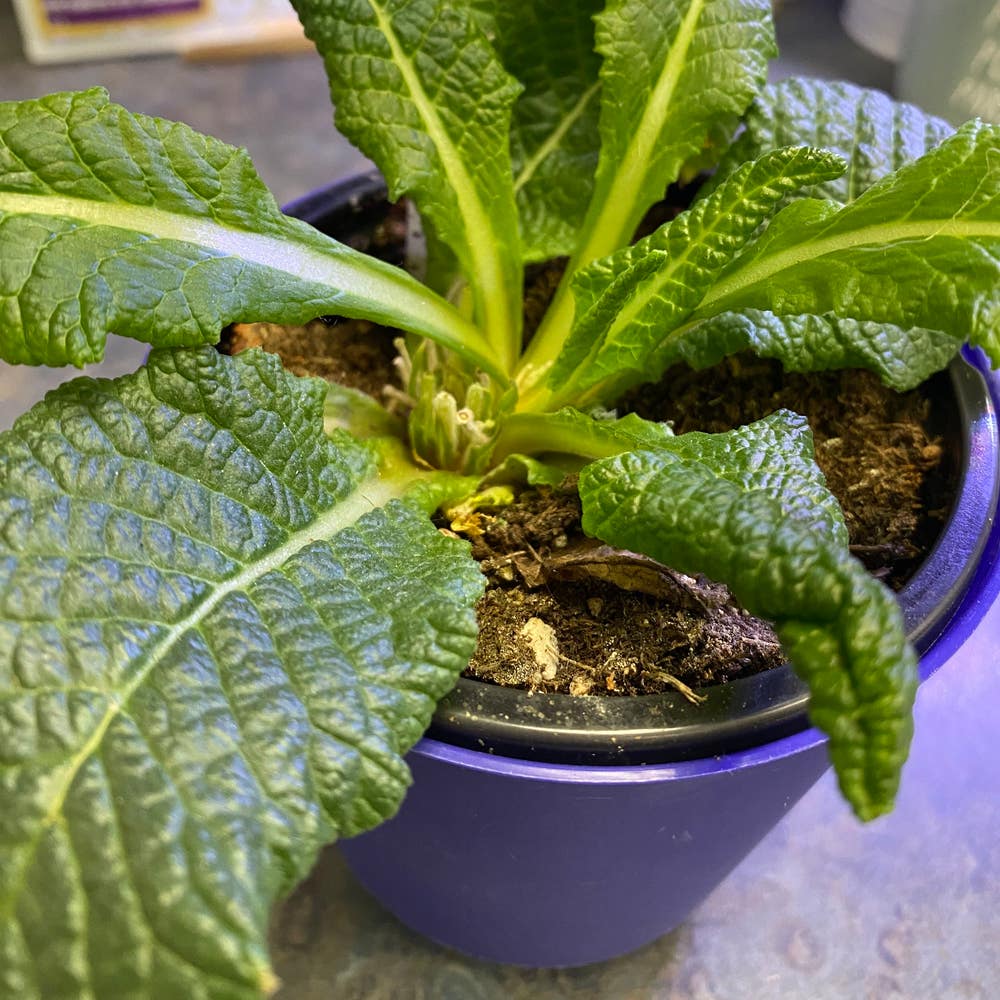
🌼 Step-by-Step Guide to Propagating Cowslip
Primula veris
By the Greg Editorial Team
Oct 19, 2024•5 min read
This article was created with the help of AI so we can cover more plants for you. May contain errors. See one? Report it here.
Grow vibrant Cowslip plants 🌱 effortlessly with these essential tips for seed and cutting propagation!
- 🌱 Collect Cowslip seeds in late spring for optimal harvesting and storage.
- ❄️ Cold stratification boosts germination—mimic winter for 2-4 weeks before planting.
- 🌿 Healthy cuttings and proper care ensure successful propagation and growth.
Seed Propagation
🌱 Collecting Seeds
Timing is crucial when collecting Cowslip seeds. Aim for late spring to early summer, ensuring the seed pods are dry for optimal harvesting.
To gather the seeds, gently shake the seed pods over a container. This method allows the seeds to fall out without damaging the pods.
After collection, store the seeds in a cool, dry place until you're ready to plant them. Proper storage helps maintain seed viability.
🧊 Preparing Seeds for Planting
Preparing your seeds is an essential step for successful germination. Start by cold stratifying the seeds for 2-4 weeks; this mimics winter conditions and enhances germination rates.
Additionally, soak the seeds in water for 24 hours before planting. This simple step improves moisture absorption, giving your seeds a better chance to sprout.
🌍 Sowing Seeds Indoors vs. Outdoors
Deciding whether to sow seeds indoors or outdoors depends on your environment and timing.
Indoor Sowing
For indoor sowing, use seed trays or pots with drainage holes. This setup prevents waterlogging, which can harm young plants.
Choose a well-draining seed-starting mix for the soil. Sow the seeds about 1/4 inch deep to ensure they have enough coverage for germination.
Outdoor Sowing
If you prefer outdoor sowing, wait until early spring after the last frost. This timing ensures that the seeds have the best chance to thrive.
Prepare the soil by ensuring it's well-drained and enriched with organic matter. This preparation provides the nutrients necessary for healthy growth.
⏳ Germination Conditions and Time Frame
Creating the right conditions for germination is vital. Maintain a temperature range of 15-20°C (59-68°F) for optimal results.
Provide indirect light to your seeds; direct sunlight can cause overheating and hinder growth. Expect to see germination within 2-4 weeks if conditions are ideal.
With these steps in mind, you're well on your way to successfully propagating Cowslip seeds. Next, we'll explore propagation through cuttings, another effective method for expanding your garden.
Propagation by Cuttings
🌱 Selecting Healthy Cuttings
To successfully propagate Cowslip, timing is crucial. Take cuttings in late spring or early summer when the plant is actively growing, ensuring you select 4-6 inch long stems adorned with healthy leaves.
✂️ Preparing Cuttings for Rooting
Preparation is key for rooting success. Use clean, sharp scissors or pruning shears to make your cuts, and remove the lower leaves, leaving just 2-3 at the top.
Next, dip the cut end in rooting hormone to encourage robust root growth. This simple step can significantly enhance your chances of success.
🌿 Ideal Conditions for Rooting
Creating the right environment is essential for rooting. Use a mixture of peat moss and perlite to ensure excellent drainage, which is vital for healthy roots.
Maintain high humidity by covering the cuttings with a plastic bag or humidity dome. This helps retain moisture, which is crucial for rooting.
Keep the cuttings in a warm location, ideally between 20-25°C (68-77°F), to promote optimal growth.
🌍 Transplanting Rooted Cuttings
Once your cuttings have developed roots of 1-2 inches, it's time to transplant. This usually occurs about 4-6 weeks after cutting.
Gently remove the rooted cuttings from the medium and plant them in individual pots. Make sure to use a well-draining potting mix suitable for Cowslip to support their growth.
With these steps, you’re well on your way to successfully propagating Cowslip through cuttings. Next, we’ll explore the division method, another effective way to multiply your plants.
Division Method
Best time for division 🌱
Timing is crucial when dividing Cowslip plants. Aim for early spring or fall, as this is when the plant is not actively flowering, making it easier to manage.
How to divide Cowslip plants 🔪
To divide your Cowslip, you'll need a spade or garden fork. Carefully lift the plant from the ground, ensuring you don’t damage the roots.
Next, separate the root ball into sections. Each section should have both roots and shoots to ensure successful replanting.
Replanting divided sections 🌍
When replanting, space the sections 12-18 inches apart. This distance allows each plant room to grow and thrive.
Prepare the soil by amending it with compost. This will improve fertility and drainage, giving your Cowslip the best chance to flourish.
Aftercare for divided plants 💧
After planting, water the sections thoroughly to help settle the soil around the roots.
Don’t forget to apply a layer of mulch. This will retain moisture and suppress weeds, creating a nurturing environment for your newly divided plants.
With these steps, your Cowslip will be well on its way to thriving in its new home. Next, let’s explore some common troubleshooting tips for propagation issues.
Troubleshooting Propagation Issues
🌱 Common Problems with Seed Germination
Low germination rates can be frustrating. Start by checking seed viability; if they’re old, consider using fresh seeds for better results.
Mold growth is another issue that can arise. Ensure proper air circulation around your seeds and avoid overwatering to keep mold at bay.
✂️ Issues with Cuttings Not Rooting
If your cuttings aren’t rooting, several factors could be at play. Insufficient humidity, poor soil drainage, or a lack of rooting hormone can hinder progress.
To remedy this, adjust humidity levels and check the moisture content of your soil. A little tweak can make a big difference in rooting success.
🌿 Challenges in Division and Replanting
Transplant shock is a common challenge when dividing Cowslip plants. To minimize shock, keep the roots moist and handle them gently during the process.
Poor growth after replanting can also occur. Ensure your divided plants receive adequate sunlight and moisture to thrive in their new spots.
🐛 Solutions for Pest and Disease Problems During Propagation
Pests like aphids and slugs can wreak havoc on your plants. Combat these nuisances with insecticidal soap or simply hand-pick them off.
Fungal diseases can also be a concern. Ensure good air circulation around your plants and avoid overcrowding to prevent these issues from taking root.
By addressing these common challenges, you can enhance your propagation success and enjoy a flourishing garden. Next, let’s explore the exciting world of Cowslip care and maintenance!
⚠️ Safety First
This content is for general information and may contain errors, omissions, or outdated details. It is not medical, veterinary advice, or an endorsement of therapeutic claims.
Always consult a qualified healthcare professional before using any plant as food, medicine, or supplement.
Never eat any plant (or feed one to pets) without confirming its identity with at least two trusted sources.
If you suspect poisoning, call Poison Control (800) 222-1222, the Pet Poison Helpline (800) 213-6680, or your local emergency service immediately.
Spotted an error? Please report it here.
Propagating Cowslip is thrilling 🌼 when you use Greg's tailored care reminders and expert tips to guide your plants from seed to stunning blooms!