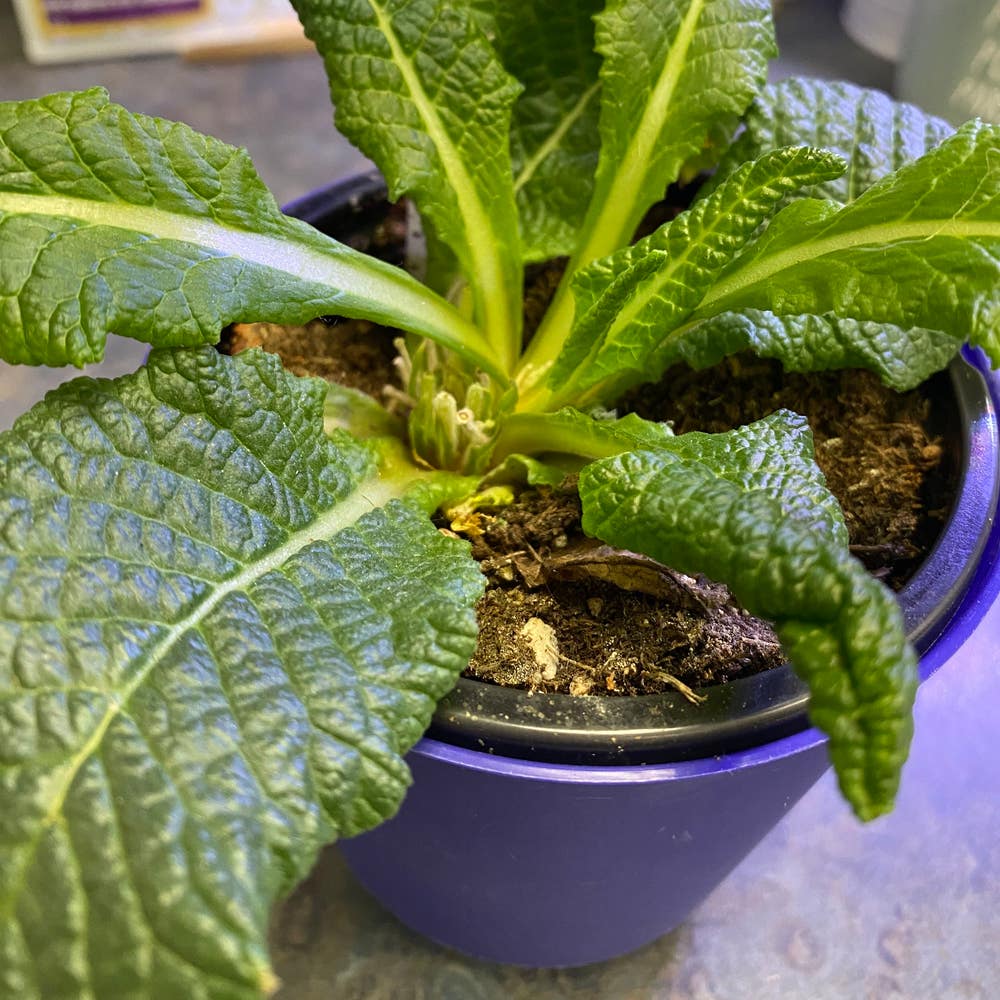
🌼 3 Indoor Cowslip Care Dos and Don'ts
Primula veris
By the Greg Editorial Team
Nov 22, 2024•5 min read
This article was created with the help of AI so we can cover more plants for you. May contain errors. See one? Report it here.
Unlock the secret to thriving cowslips indoors 🌱 by mastering their light, water, and care essentials!
- 🌞 Cowslips thrive in bright, indirect sunlight for 6-8 hours daily.
- 💧 Water every 1-2 weeks, allowing soil to dry out for healthy growth.
- 🌱 Maintain humidity between 40-60% and temperatures of 15°C to 20°C for optimal health.
Cowslip Light Requirements
Ideal Light Conditions 🌞
Cowslips thrive in bright, indirect sunlight for about 6-8 hours each day. Direct sunlight can scorch their delicate leaves, stunting growth and diminishing their beauty.
Role of Grow Lights 💡
In situations where natural light is scarce, such as during winter months, grow lights become essential. They provide consistent light levels that support healthy growth, ensuring your cowslip remains vibrant and flourishing.
Choosing the Best Grow Light 🛠️
When selecting a grow light, consider the two main types: LED and fluorescent. LED lights are energy-efficient and long-lasting, while fluorescent lights are often more affordable upfront.
For optimal growth, choose full-spectrum lights that mimic natural sunlight. Position your grow light 12-18 inches above the plant to ensure even coverage and prevent any light burn.
With the right light conditions, your cowslip will not only survive but thrive, setting the stage for the next essential aspect of care: watering needs.
Watering Needs
Frequency and Method 🌊
Cowslips thrive on a consistent watering schedule, ideally every 1-2 weeks. Allow the top inch of soil to dry out between waterings to prevent soggy roots.
Water thoroughly until it drains from the bottom of the pot. This method ensures even moisture distribution, keeping your plant happy and healthy.
Signs of Overwatering and Underwatering 🚨
Recognizing the signs of overwatering is crucial for your cowslip's health. Look for yellowing leaves, wilting, and root rot as indicators that you might be giving it too much water.
On the flip side, underwatering can also pose problems. Drooping leaves, dry soil, and stunted growth signal that your plant is thirsty and needs a drink.
By keeping an eye on these signs, you can adjust your watering routine and maintain a thriving indoor cowslip. Next, let’s explore the ideal humidity and temperature conditions for your plant's growth.
Humidity and Temperature
Ideal Humidity Levels 🌧️
For your indoor cowslip to thrive, aim for humidity levels between 40-60%. This range is crucial for optimal growth and helps prevent issues like leaf drop.
To boost humidity, consider using a humidity tray filled with water and pebbles. Alternatively, misting the leaves regularly can also provide the moisture they crave.
Temperature Preferences 🌡️
Cowslips prefer a cozy environment with temperatures between 15°C to 20°C (59°F to 68°F). Keeping them within this range ensures they remain healthy and vibrant.
During the winter months, slightly lower temperatures can mimic their natural habitat. This seasonal adjustment can help your cowslip adapt and flourish year-round.
Maintaining the right humidity and temperature is essential for your cowslip's health. With these conditions in check, your plant will be well on its way to thriving indoors. Next, let's explore the best soil and fertilization practices to keep your cowslip happy and growing strong.
Soil and Fertilization
Best Soil Type 🌱
For your indoor cowslip, the right soil is crucial. Opt for a well-draining, fertile potting mix enriched with organic matter to ensure your plant thrives.
The ideal pH level for cowslips is slightly acidic to neutral, ranging from 6.0 to 7.0. This balance helps promote healthy root development and nutrient absorption.
Fertilization Schedule 📅
When it comes to fertilization, timing is everything. Feed your cowslip every 4-6 weeks during the growing season, which spans spring and summer.
For the best results, use a balanced liquid fertilizer or slow-release granules. This approach provides your plant with the nutrients it needs to flourish without overwhelming it.
By maintaining the right soil and fertilization routine, you set the stage for vibrant growth. Next, let’s explore how to tackle common issues that may arise with your indoor cowslip.
Common Issues and Solutions
🐛 Pests and Diseases
Common Pests
Cowslips can attract a few pesky pests that may disrupt their growth.
- Aphids: These small, green insects often cluster on new growth, causing leaves to curl and distort.
- Spider mites: Tiny and often overlooked, these pests create fine webbing on leaves and lead to stippling, which can weaken your plant.
🛡️ Prevention and Treatment
Keeping your cowslip healthy involves regular vigilance.
- Regular inspections: Make it a habit to check your plants weekly for any signs of pests. Early detection is key to effective treatment.
- Organic pest control: If you spot any unwanted guests, consider using insecticidal soap or neem oil. These treatments are effective and safe for your plants.
✂️ Maintenance Tips
Maintaining Appearance
A little maintenance goes a long way in keeping your cowslip looking its best.
- Regular cleaning: Use a damp cloth to gently wipe the leaves, removing dust and allowing the plant to breathe.
- Monitoring growth: Keep an eye on the shape of your plant. A compact form is a sign of a healthy cowslip.
Pruning Techniques
Pruning is essential for encouraging new growth and maintaining your plant's vitality.
- Deadheading: Remove spent flowers promptly to promote new blooms and extend the flowering period.
- Pruning: Trim back any leggy growth to encourage a bushier appearance. This not only enhances aesthetics but also supports overall health.
With these tips, you can tackle common issues and keep your cowslip thriving. Next, let's explore the best soil and fertilization practices to ensure your plant has the nutrients it needs.
⚠️ Safety First
This content is for general information and may contain errors, omissions, or outdated details. It is not medical, veterinary advice, or an endorsement of therapeutic claims.
Always consult a qualified healthcare professional before using any plant as food, medicine, or supplement.
Never eat any plant (or feed one to pets) without confirming its identity with at least two trusted sources.
If you suspect poisoning, call Poison Control (800) 222-1222, the Pet Poison Helpline (800) 213-6680, or your local emergency service immediately.
Spotted an error? Please report it here.
Create a thriving cowslip oasis 🌼 with Greg's tailored watering reminders and light tips to keep your plants flourishing all year round!