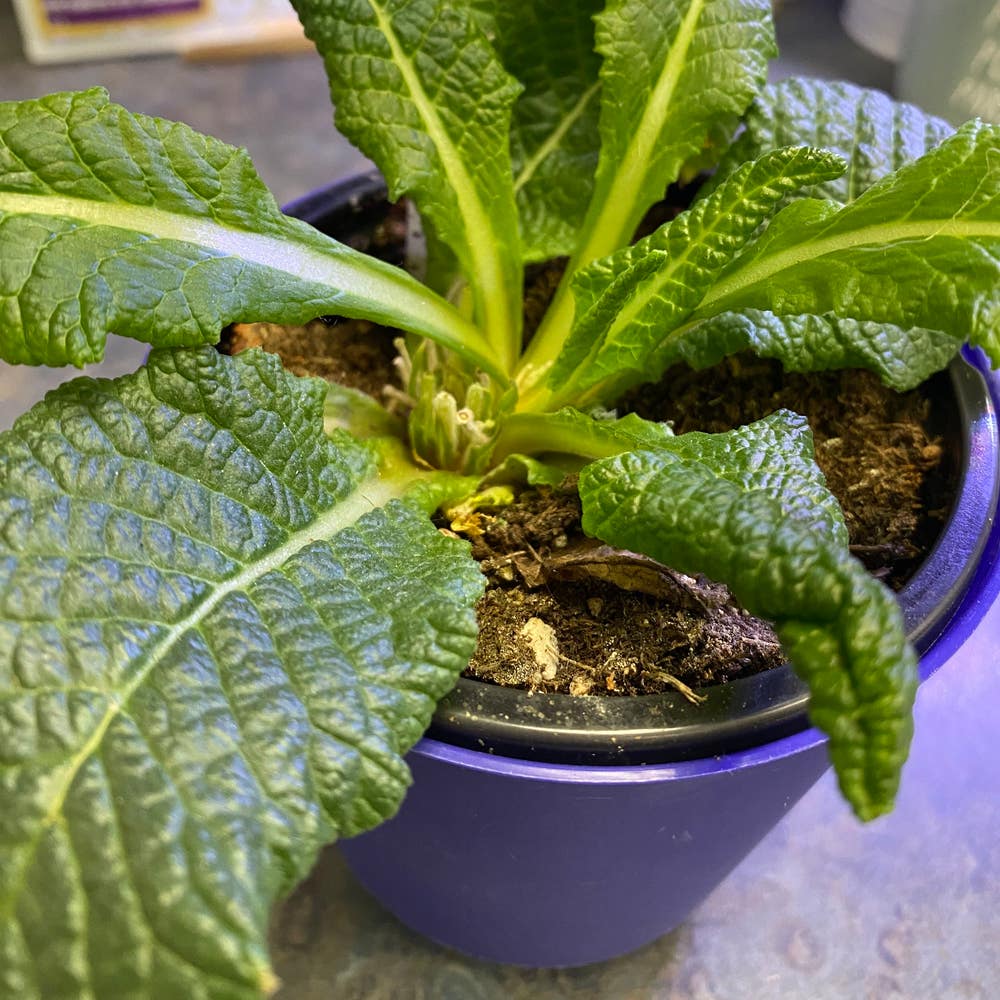
🌼 Ultimate Guide to Fertilizing Your Cowslip
Primula veris
By the Greg Editorial Team
Oct 19, 2024•5 min read
This article was created with the help of AI so we can cover more plants for you. May contain errors. See one? Report it here.
Transform your cowslip into a blooming masterpiece 🌼 with expert fertilization tips and timing secrets!
- 🌱 Organic fertilizers like compost boost cowslip health and soil quality.
- ⚖️ Balanced NPK ratios in synthetic fertilizers ensure essential nutrient supply for cowslip.
- 🗓️ Regular feeding every 4-6 weeks is vital for thriving cowslip growth.
Types of Fertilizers Suitable for Cowslip
🌱 Organic Fertilizers
Organic fertilizers are a fantastic choice for nurturing your cowslip. Common options include compost, well-rotted manure, and fish emulsion.
These fertilizers improve soil structure and enhance microbial activity, creating a thriving environment for your plants. They not only provide essential nutrients but also promote long-term soil health.
⚗️ Synthetic Fertilizers
When considering synthetic fertilizers, look for balanced NPK ratios, such as 10-10-10. These ratios ensure your cowslip receives the right mix of nitrogen, phosphorus, and potassium.
You can choose between quick-release and slow-release options. Quick-release fertilizers provide immediate nutrients, while slow-release ones offer a more gradual supply, which can be beneficial for sustained growth.
🌼 Best Fertilizer for Cowslip
Some specific brands and formulations have proven effective for cowslip. Look for those that are well-reviewed and tailored for flowering plants.
Products like Miracle-Gro Bloom Booster or Osmocote Flower & Vegetable can work wonders. Always check the label to ensure they meet your cowslip's nutritional needs.
With the right fertilizer, your cowslip will flourish, setting the stage for vibrant blooms and healthy growth. Next, let’s explore how to apply these fertilizers effectively.
How to Apply Fertilizer to Cowslip
🌱 Application Methods
When it comes to fertilizing your cowslip, the method you choose can make a significant difference. For granular fertilizers, spread them evenly around the base of the plant to ensure even nutrient distribution.
For liquid fertilizers, it's crucial to dilute them according to the instructions on the label. This ensures that the nutrients are effectively absorbed by the soil without overwhelming the plant.
🛠️ Recommended Application Tools
Using the right tools can simplify the fertilization process. A hand trowel is perfect for applying granular fertilizers, allowing you to control the amount and placement with ease.
For liquid fertilizers, a watering can is your best friend. It helps you apply the diluted solution directly to the soil, ensuring that the nutrients reach the roots where they are needed most.
📅 Frequency of Application
Regular feeding is key to keeping your cowslip healthy and vibrant. Generally, applying fertilizer every 4 to 6 weeks during the growing season is recommended.
This schedule helps maintain nutrient levels in the soil, supporting robust growth and beautiful blooms. Adjust the frequency based on your specific soil conditions and the health of your plants.
By following these guidelines, you can ensure that your cowslip receives the nutrients it needs to thrive. Next, let’s explore the best timing for fertilizing your cowslip to maximize its growth potential.
Timing for Fertilizing Cowslip
Early Spring Fertilization 🌱
Early spring is crucial for your cowslip's initial growth. Fertilizing at this time helps establish a strong foundation as the plant awakens from dormancy.
Timing is key: apply fertilizer when the soil temperature reaches 10°C (50°F). This ensures that nutrients are readily available for the plant's uptake.
Mid-Summer Feeding ☀️
Mid-summer is another important period for feeding your cowslip. This application supports blooming and enhances overall plant health.
Regular feeding during this phase can lead to more vibrant flowers and a lush appearance. It’s all about keeping your cowslip thriving when it matters most.
Fall Considerations 🍂
As fall approaches, it's time to prepare your cowslip for winter dormancy. A final fertilization helps the plant store nutrients for the colder months ahead.
This preparation is essential for ensuring your cowslip emerges strong and healthy in the spring. Proper timing in the fall sets the stage for a successful growing season next year.
With a solid understanding of when to fertilize, you're well on your way to nurturing robust cowslip plants. Next, let’s explore how to apply fertilizer effectively to maximize its benefits.
Avoiding Over-Fertilization
🌱 Symptoms of Over-Fertilization in Cowslip
Over-fertilization can be detrimental to your cowslip. One of the first signs is leaf burn, where the tips and edges of leaves turn brown, indicating stress.
Another symptom is stunted growth. Despite your best efforts, the plant may lack vigor and fail to thrive.
Lastly, you might notice reduced flowering. If your cowslip produces fewer blooms than expected, it could be a sign that it's overwhelmed by nutrients.
⚠️ How to Correct Over-Fertilization Issues
If you suspect over-fertilization, take immediate action. Start by flushing the soil with water to help leach out excess nutrients.
Adjust your future practices by ensuring a more balanced approach to fertilization.
For long-term solutions, consider soil testing. This will help you understand the nutrient levels and pH, allowing for a more tailored fertilization schedule.
Establishing a balanced fertilization schedule will ensure your cowslip gets what it needs without the risk of overdoing it.
By being mindful of these signs and solutions, you can keep your cowslip healthy and thriving.
Next, let’s explore common mistakes in cowslip fertilization to further enhance your gardening skills.
Common Mistakes in Cowslip Fertilization
🌱 Misunderstanding Cowslip's Nutrient Needs
Cowslip thrives on a balanced diet, yet many gardeners fall into the trap of over-relying on one nutrient type. This can lead to deficiencies in others, stunting growth and reducing flowering.
Ignoring soil pH is another common pitfall. The pH level directly affects nutrient availability, meaning that even if you apply the right fertilizers, your Cowslip may not absorb them effectively.
⚠️ Incorrect Application Methods
Over-application of fertilizers can be detrimental. It not only wastes resources but can also harm your plants, leading to leaf burn and stunted growth.
Inconsistent feeding schedules are equally problematic. Regularity is key to maintaining plant health, so establish a routine that ensures your Cowslip receives the nutrients it needs consistently.
Understanding these common mistakes can significantly enhance your fertilization strategy. With the right approach, your Cowslip will flourish, setting the stage for vibrant blooms and robust growth.
⚠️ Safety First
This content is for general information and may contain errors, omissions, or outdated details. It is not medical, veterinary advice, or an endorsement of therapeutic claims.
Always consult a qualified healthcare professional before using any plant as food, medicine, or supplement.
Never eat any plant (or feed one to pets) without confirming its identity with at least two trusted sources.
If you suspect poisoning, call Poison Control (800) 222-1222, the Pet Poison Helpline (800) 213-6680, or your local emergency service immediately.
Spotted an error? Please report it here.
Transform your cowslip into a blooming beauty 🌼 with Greg's personalized fertilization reminders and expert tips to ensure it gets the right nutrients at the right time!