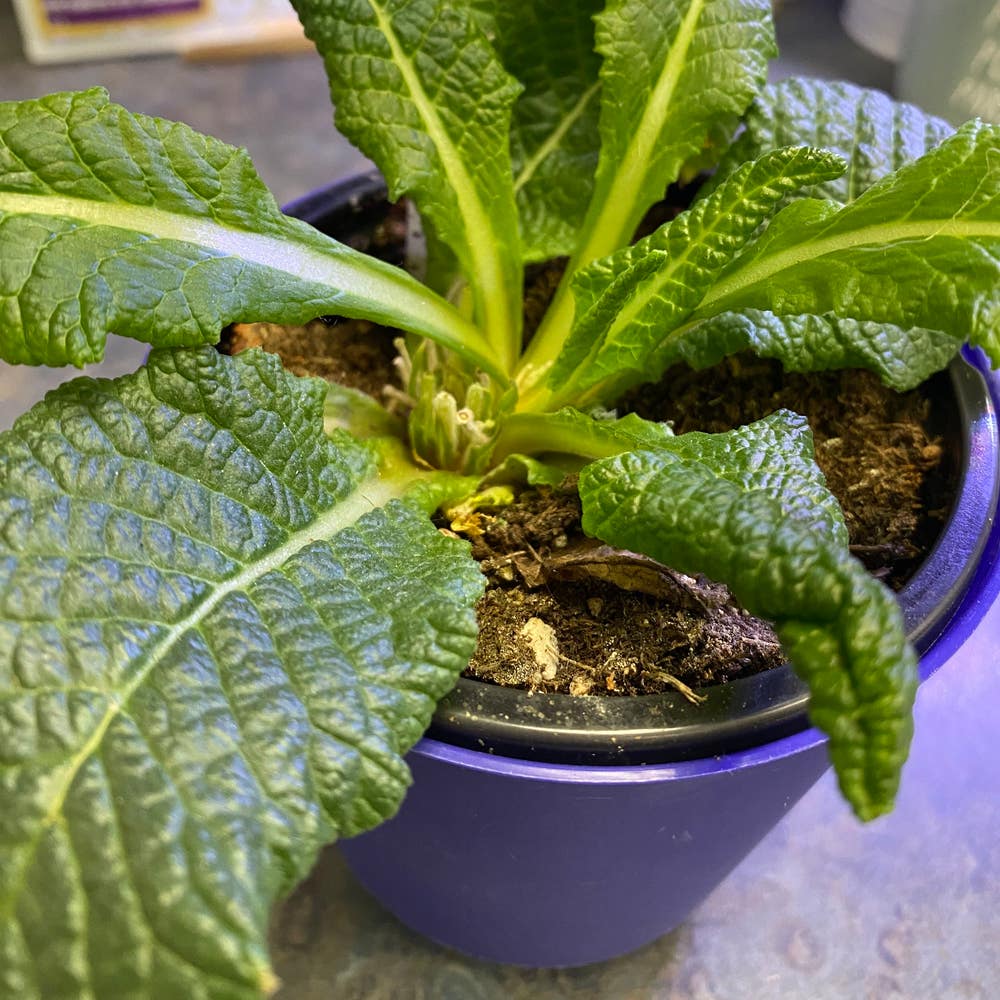
🌼 Growing Your Cowslip Outdoors
Primula veris
By the Greg Editorial Team
Oct 19, 2024•6 min read
This article was created with the help of AI so we can cover more plants for you. May contain errors. See one? Report it here.
Cultivate vibrant cowslips 🌼 with essential tips on sunlight, watering, and seasonal care for thriving blooms!
- ☀️ Cowslips need 4-6 hours of sunlight daily for optimal growth and blooming.
- 💧 Keep soil consistently moist but avoid waterlogging for healthy cowslip plants.
- 🌱 Use organic matter and balanced fertilizer to enhance soil quality and growth.
Sunlight and Watering Needs
🌞 Ideal Sunlight Conditions
Cowslips thrive in full sun to partial shade, requiring about 4 to 6 hours of sunlight daily. Insufficient sunlight can lead to stunted growth and fewer blooms, so it's crucial to choose the right spot for planting.
💧 Watering Frequency and Techniques
To keep your cowslips healthy, maintain consistently moist soil without waterlogging.
Watering Techniques
- Soaker Hose or Drip Irrigation: These methods ensure even moisture distribution, which is vital for plant health.
- Morning Watering: Watering early reduces evaporation and minimizes the risk of fungal diseases.
Watering Frequency
Water your cowslips every 1 to 2 weeks, adjusting based on rainfall and temperature. This approach helps ensure they receive the hydration they need to flourish.
With the right sunlight and watering practices in place, your cowslips will be well on their way to thriving. Next, let’s explore the ideal soil preferences and fertilization techniques to further support their growth.
Soil Preferences and Fertilization
Best Soil Types 🌱
Cowslips thrive in well-drained, moist soil with a slightly acidic to neutral pH, ideally between 6.0 and 7.0. To enhance soil quality, incorporate organic matter like compost or peat moss, which improves drainage and boosts nutrient content.
Fertilization Schedule and Types 🌼
For optimal growth, apply a balanced fertilizer, such as NPK 10-10-10, in early spring and again after flowering. You can choose between granular slow-release fertilizers for sustained feeding or liquid fertilizers for quick nutrient uptake during the growing season.
Understanding the right soil and fertilization techniques is crucial for your cowslip's health. With the right foundation, your plants will flourish, setting the stage for vibrant blooms and robust growth.
Next, let’s explore the planting options available for your cowslips, whether in containers or directly in the ground.
Planting Options: Container vs. Ground
🌱 Benefits and Drawbacks of Container Planting
Container planting offers several advantages. First, it provides mobility, allowing you to reposition your plants to maximize sunlight exposure or shield them from harsh weather.
Additionally, you have complete control over the soil mix, enabling you to create the perfect environment for growth. However, there are some downsides to consider. Limited space in containers can restrict root development, potentially leading to stunted growth.
Moreover, containers tend to dry out faster than ground soil, requiring more frequent watering. This can be a hassle, especially during hot spells.
🌍 Benefits and Drawbacks of Ground Planting
Ground planting presents its own set of benefits. It allows for natural growth conditions, giving roots ample space to expand and access to nutrients found in the earth.
Ground soil also retains moisture better than containers, which can be a lifesaver during dry periods. On the flip side, ground planting comes with challenges. You have less control over soil quality, which may necessitate amendments to achieve optimal conditions.
Additionally, plants in the ground are more vulnerable to pests and diseases, exposing them to outdoor threats. Balancing these factors will help you decide the best planting option for your cowslip.
As you weigh these options, consider your gardening goals and the specific conditions of your space. This will guide you in making the best choice for your cowslip's thriving journey.
Protection from Weather and Pests
🌧️ Weather Protection Strategies
Mulching is a simple yet effective way to protect your cowslip. A layer of organic mulch retains moisture and helps regulate soil temperature, creating a stable environment for growth.
For frost protection, consider using row covers or cloches during late spring frosts. These tools can shield your plants from unexpected cold snaps, ensuring they thrive.
🐛 Common Outdoor Pests and Management
Aphids can be a nuisance, often leaving curled leaves and a sticky residue behind. To manage them, introduce beneficial insects like ladybugs or apply insecticidal soap for effective control.
Slugs and snails also pose a threat, leaving irregular holes in leaves. Hand-picking, setting traps, or using barriers like copper tape can help keep these pests at bay.
🦠 Diseases and Prevention Methods
Common diseases affecting cowslip include powdery mildew and root rot. To prevent these issues, ensure good air circulation around your plants, avoid overhead watering, and use well-draining soil.
By taking these proactive measures, you can protect your cowslip from weather extremes and pests, setting the stage for a healthy growing season. Next, let’s explore seasonal care and climate considerations to further enhance your gardening success.
Seasonal Care and Climate Considerations
Seasonal Changes and Their Impact 🌸
Spring is the perfect time to plant your cowslip. As the weather warms, keep an eye out for pests and diseases that may threaten your new plants.
In summer, regular watering and fertilization are crucial. Watch for signs of heat stress, as cowslips can struggle in extreme temperatures.
As fall approaches, it’s time to prepare your cowslip for dormancy. Reduce watering as temperatures drop to help them transition smoothly.
Special Considerations for Different Climate Zones 🌍
If you live in a cool climate, consider adding extra mulch for winter protection. This will help insulate the roots and keep them safe from freezing temperatures.
In warmer climates, ensure your cowslip gets adequate moisture and some partial shade during peak heat. This will prevent stress and promote healthy growth.
Tips for Winterizing ❄️
After the first frost, cut back the foliage to prevent disease. This simple step helps your cowslip stay healthy through the winter months.
Finally, apply a thick layer of mulch around the base of your plants. This will protect the roots from freezing temperatures and ensure a strong start come spring.
With these seasonal care tips, your cowslip will thrive throughout the year. Next, let’s explore effective propagation methods to expand your garden!
Cowslip Propagation
🌱 Methods of Propagation
Cowslips can be propagated through seeds or by dividing clumps. Each method has its own timing and techniques that can lead to successful growth.
Seed Propagation
For seed propagation, the best time to sow is in early spring or fall. Ensure the soil remains moist and warm, ideally around 70°F (21°C), to promote germination.
Division of Clumps
Dividing clumps is another effective method. The optimal time for this is early spring or fall when the plants are dormant.
To divide, carefully dig up the clumps and separate them into smaller sections, making sure each section has roots. This technique not only helps in propagation but also rejuvenates the plant, encouraging healthier growth.
With these methods, you can easily expand your cowslip collection and enjoy their vibrant blooms in your garden. Next, let’s explore how to protect your cowslips from weather extremes and pests.
⚠️ Safety First
This content is for general information and may contain errors, omissions, or outdated details. It is not medical, veterinary advice, or an endorsement of therapeutic claims.
Always consult a qualified healthcare professional before using any plant as food, medicine, or supplement.
Never eat any plant (or feed one to pets) without confirming its identity with at least two trusted sources.
If you suspect poisoning, call Poison Control (800) 222-1222, the Pet Poison Helpline (800) 213-6680, or your local emergency service immediately.
Spotted an error? Please report it here.
Cultivating cowslips outdoors is a breeze with the right care, and Greg can help you achieve the ideal conditions 🌼 by providing tailored watering reminders and sunlight tips for vibrant blooms!