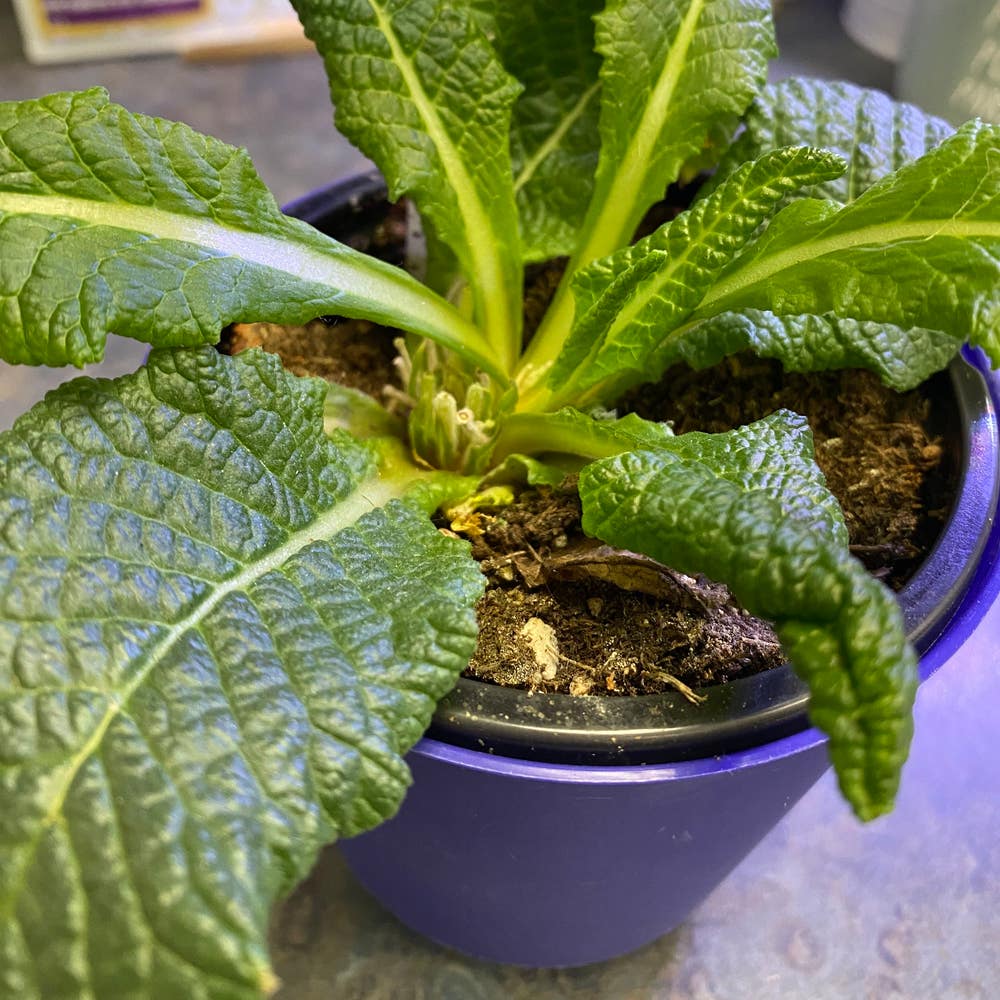
🐄 How Big Your Cowslip Will Get
Primula veris
By the Greg Editorial Team
Oct 19, 2024•5 min read
This article was created with the help of AI so we can cover more plants for you. May contain errors. See one? Report it here.
Unlock vibrant blooms 🌼 by mastering cowslip growth with essential tips on height, spread, and care!
- 🌱 Cowslips grow 6-12 inches tall and spread 12-18 inches wide in optimal conditions.
- 🌞 Full sun boosts growth, but partial shade may limit size.
- ⏳ Maturity takes 2-3 years; consistent care ensures healthy development.
Mature Dimensions
Height 🌱
Cowslips typically reach a height range of 6 to 12 inches. Several factors influence this growth, including soil quality, sunlight exposure, and water availability.
Spread 🌼
The average spread of cowslips is between 12 to 18 inches. They exhibit a clumping growth habit, forming rosettes that create a lush appearance in your garden.
Importance of Spacing 📏
When designing your garden, spacing is crucial. Proper spacing allows each plant to thrive, maximizing their potential height and spread while preventing overcrowding.
Understanding these mature dimensions helps you create a balanced and vibrant garden space. Next, let’s explore the growth rate of cowslips and what influences their development.
Growth Rate
🌱 General Growth Rate
Cowslips exhibit a moderate growth rate, which can vary based on environmental conditions. Typically, you can expect them to reach their mature height in about 2 to 3 years.
⏳ Factors Affecting Growth Rate
Several factors play a crucial role in determining how quickly your cowslips will grow.
Soil Fertility
Nutrient-rich soils are key to promoting faster growth. If your soil is lacking in essential nutrients, consider enriching it to boost your plants’ development.
💧 Watering Practices
Consistent moisture is vital for optimal growth. Make sure to establish a regular watering routine to keep your cowslips thriving.
🌦️ Seasonal Variations
Growth spurts often occur in spring and early summer. During these seasons, you might notice your cowslips growing more vigorously, so keep an eye on them!
Understanding these growth dynamics can help you create the ideal conditions for your cowslips. With the right care, you’ll be rewarded with vibrant blooms and lush foliage.
Next, let’s explore the timeline for your cowslips to reach full size.
Time to Reach Full Size
📅 Timeline for Maturity
Cowslips typically take about 2-3 years to reach their full size. However, this timeline can vary significantly based on environmental conditions and care practices.
Factors like soil quality, sunlight, and watering routines play a crucial role in determining how quickly your cowslip matures. A nutrient-rich environment can speed things up, while neglect can slow growth.
🌱 Growth Stages
Understanding the growth stages of cowslips can help you manage their development effectively. Here’s a quick breakdown:
Seedling Stage (0-6 months): This is when your cowslip is just getting started. It’s crucial to provide consistent moisture and good light during this phase.
Juvenile Stage (6 months - 1 year): At this point, your plants will begin to establish themselves. Regular care will help them thrive as they transition to maturity.
Mature Stage (1-3 years): Your cowslip will reach its full height and spread during this stage. Continued attention to their needs will ensure they remain healthy and vibrant.
By keeping an eye on these stages, you can better support your cowslip's journey to full size. This proactive approach not only enhances growth but also enriches your gardening experience.
As you nurture your cowslips, remember that patience is key. With the right care, you'll soon enjoy their beauty in your garden.
Next, let’s explore the factors that influence size variability in different environments.
Size Variability
🌍 Environmental Factors
The size of your cowslip can vary significantly based on environmental conditions. Well-drained, moist soils typically yield larger plants, while poor soil can stunt growth.
Sunlight exposure also plays a crucial role. Cowslips thrive in full sun but can adapt to partial shade, although this may limit their overall size.
Watering practices are equally important. Overwatering can lead to root rot and stunted growth, while under-watering can restrict size and vitality.
📏 Size Differences
Local conditions can create noticeable differences in height and spread. For instance, cowslips in nutrient-rich areas may reach their full potential, while those in less favorable conditions might remain smaller.
In regions with varying climates, you might observe distinct size variability. For example, cowslips in warmer, sunnier areas often grow larger compared to those in cooler, shaded environments.
Understanding these factors can help you optimize your cowslip's growth and enjoy a vibrant garden display.
Controlling Size
Pruning Techniques ✂️
To keep your cowslip at the desired height, effective pruning is essential. The best practice is to trim back the plants in early spring, which encourages healthy growth.
Alternatively, you can prune after flowering to maintain shape without sacrificing blooms. Timing is key; early spring cuts stimulate new growth, while post-flowering cuts help manage size without affecting the flowering cycle.
Tips for Maintaining Dimensions 📏
Regularly monitoring your cowslip's growth is crucial. Keep an eye on their size and adjust your care practices accordingly.
If you notice your plants growing larger than desired, consider altering your watering or fertilization routine. Small adjustments can lead to significant changes in size over time.
Seasonal Considerations 🌱
Understanding seasonal growth patterns can greatly aid in size management. Cowslips typically experience growth spurts in spring, so be prepared to adjust your care during this time.
Seasonal care adjustments are vital. For instance, as temperatures rise, ensure your cowslip receives adequate moisture to support its growth without becoming overgrown.
By staying proactive, you can enjoy the beauty of your cowslip while keeping it within your desired dimensions.
⚠️ Safety First
This content is for general information and may contain errors, omissions, or outdated details. It is not medical, veterinary advice, or an endorsement of therapeutic claims.
Always consult a qualified healthcare professional before using any plant as food, medicine, or supplement.
Never eat any plant (or feed one to pets) without confirming its identity with at least two trusted sources.
If you suspect poisoning, call Poison Control (800) 222-1222, the Pet Poison Helpline (800) 213-6680, or your local emergency service immediately.
Spotted an error? Please report it here.
Unlock the full potential of your cowslips 🌱 with Greg's tailored care tips and reminders, ensuring they thrive beautifully in your garden!