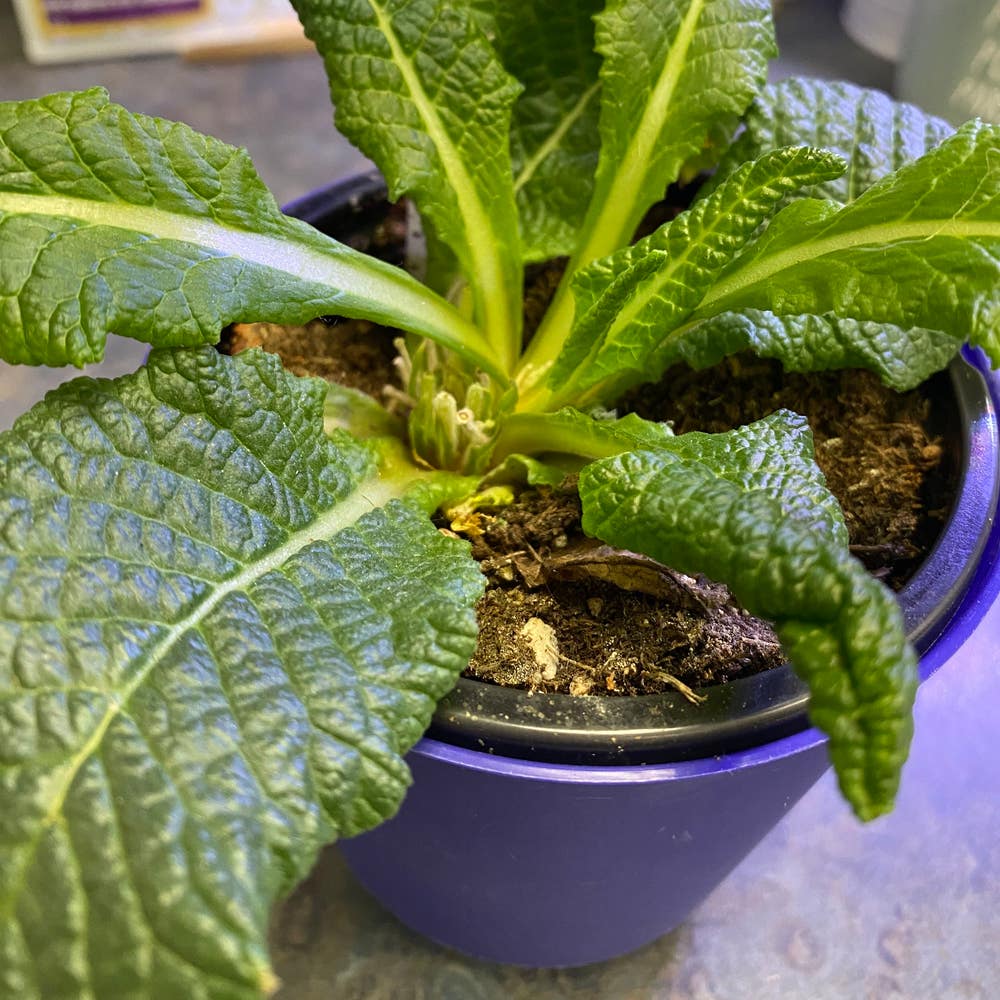
🌼 Top 7 Pot Options to Make Your Cowslip Thrive
Primula veris
By the Greg Editorial Team
Oct 19, 2024•5 min read
This article was created with the help of AI so we can cover more plants for you. May contain errors. See one? Report it here.
Master pot size and drainage for vibrant cowslip growth 🌱—your plants will thank you with stunning blooms! 🌼
- 🌱 Choose the right pot size: 3-4 inches for seedlings, 10-12 for mature cowslip.
- 💧 Ensure proper drainage: Aim for 3-4 holes to prevent root rot.
- ♻️ Consider pot materials: Clay is breathable, while plastic retains moisture but risks rot.
Pot Size for Cowslip
🌱 Importance of Pot Size for Growth Stages
Choosing the right pot size is crucial for the healthy growth of your cowslip. Each growth stage requires a specific pot size to ensure optimal conditions.
🌿 Seedlings
For seedlings, a pot size of 3-4 inches in diameter is ideal. This smaller size helps prevent overwatering, allowing roots to establish firmly without drowning.
🌼 Young Plants
As your cowslip matures into young plants, increase the pot size to 6-8 inches in diameter. This size facilitates adequate root expansion while maintaining a balanced moisture level.
🌸 Mature Plants
When your cowslip reaches maturity, opt for a pot size of 10-12 inches in diameter. This larger pot supports extensive root systems and provides the stability needed for flowering.
Understanding these pot size recommendations will set your cowslip up for success. Next, let’s explore the best materials to use for your pots.
Pot Materials for Cowslip
🌱 Ideal Pot Materials
Choosing the right pot material is crucial for the health of your Cowslip. Each option has its pros and cons, so let’s break them down.
Clay Pots
Advantages:
- Clay pots are breathable, allowing air to circulate to the roots.
- They naturally regulate moisture, helping to prevent overwatering.
Disadvantages:
- They can be heavy, making them less portable.
- Clay pots are prone to cracking in freezing temperatures, which can be a concern in colder climates.
Plastic Pots
Advantages:
- Lightweight and easy to handle, plastic pots are perfect for those who like to rearrange their plants.
- They retain moisture longer than clay, which can be beneficial in drier conditions.
Disadvantages:
- Plastic is less breathable, increasing the risk of root rot if drainage isn’t managed properly.
Other Materials
- Biodegradable Pots: These eco-friendly options are great for seedlings, breaking down naturally over time.
- Metal Pots: Generally not recommended due to their tendency to retain heat and poor drainage capabilities.
Choosing the right pot material can significantly impact your Cowslip's growth and overall health. Consider your environment and the specific needs of your plants to make the best choice.
As you explore potting options, remember that drainage is just as vital as the pot material itself. Let’s dive into how drainage holes can affect your Cowslip’s health next.
Drainage and Cowslip Health
How Drainage Holes Affect Health 🌊
Proper drainage is crucial for the health of your Cowslip. Without adequate drainage holes, water can accumulate, leading to waterlogging and root rot.
Importance of Drainage Holes 🚪
Drainage holes serve two main purposes: they prevent waterlogging and ensure excess water escapes. This promotes healthy root growth, allowing your Cowslip to thrive.
Recommended Hole Size and Number 📏
For optimal drainage, aim for a minimum of 3-4 holes in the bottom of your pot. Each hole should be about 1/4 inch in diameter to facilitate effective water flow.
Signs of Poor Drainage 🚨
Keep an eye out for yellowing leaves and wilting, even when you’re watering adequately. These are clear indicators that your Cowslip may be suffering from poor drainage.
Conclusion 🎉
By ensuring proper drainage, you set the stage for a vibrant, healthy Cowslip. Next, let’s explore how to repot your plant effectively to keep it growing strong.
Repotting Cowslip
When to Repot 🌱
Repotting your Cowslip is essential for its health and growth. Look for signs like roots peeking through drainage holes, stunted growth, or yellowing leaves—these are clear indicators that it's time for a new pot.
If the soil dries out too quickly, it may signal root crowding. This means your plant is ready for a little more space to thrive.
Recommended Frequency 📅
For mature Cowslip plants, repot every 1-2 years. Younger plants, on the other hand, benefit from an annual repotting to keep them growing strong.
Choosing the Right Pot 🪴
When selecting a new pot, aim for one that is 2 inches larger in diameter than the current one. This small increase can make a big difference in your plant's growth.
Ensure the new pot has adequate drainage holes to prevent waterlogging. Using fresh, well-draining potting soil specifically designed for Cowslip will also help your plant flourish.
Final Thoughts 💭
Repotting may seem like a chore, but it’s a rewarding process that allows your Cowslip to reach its full potential. By paying attention to your plant's needs and choosing the right pot, you're setting the stage for vibrant growth and health.
Next, let’s dive into common potting mistakes to avoid, ensuring your Cowslip remains happy and thriving.
Common Potting Mistakes
🚫 Avoiding Over-Potting and Ensuring Proper Drainage
Over-potting can be a sneaky trap for many plant enthusiasts. When you choose a pot that's too large, excess soil retains moisture, which can lead to root rot.
📏 Guidelines for Pot Size
To avoid this, always select a pot that is only slightly larger than the current one. This helps maintain the right moisture balance while allowing for healthy root growth.
🚰 Ensuring Proper Drainage
Drainage is crucial for your Cowslip's health. Start by placing a layer of gravel or clay pebbles at the bottom of the pot to facilitate water flow.
🔧 Regular Maintenance
Don't forget to regularly check drainage holes for blockages. This simple step can prevent waterlogging and keep your plant thriving.
👀 Monitoring Plant Health
Keep an eye on your Cowslip for signs of overwatering or poor drainage. Yellowing leaves and wilting can indicate that something's off, prompting you to reassess your potting strategy.
By following these guidelines, you can create a nurturing environment for your Cowslip, ensuring it flourishes beautifully. Next, let’s explore the best practices for repotting your plants effectively.
⚠️ Safety First
This content is for general information and may contain errors, omissions, or outdated details. It is not medical, veterinary advice, or an endorsement of therapeutic claims.
Always consult a qualified healthcare professional before using any plant as food, medicine, or supplement.
Never eat any plant (or feed one to pets) without confirming its identity with at least two trusted sources.
If you suspect poisoning, call Poison Control (800) 222-1222, the Pet Poison Helpline (800) 213-6680, or your local emergency service immediately.
Spotted an error? Please report it here.
Keep your cowslip thriving 🌼 by choosing the right pot and drainage, and let Greg guide you with tailored reminders and tips for optimal growth!