🌼 Step-by-Step Guide to Companion Planting with Cowslip
Primula veris
By the Greg Editorial Team
Oct 19, 2024•4 min read
This article was created with the help of AI so we can cover more plants for you. May contain errors. See one? Report it here.
Boost your garden's health and beauty 🌼 with Cowslip companion planting for a thriving ecosystem!
- 🌼 Cowslip enhances biodiversity, attracting pollinators and beneficial insects for a thriving garden.
- 🐞 Natural pest deterrent, reducing reliance on chemical controls and promoting plant health.
- 🌱 Ideal companions like Bluebells and Wild Garlic improve soil health and deter pests.
Benefits of Companion Planting with Cowslip
🌼 Enhancing Garden Diversity
Companion planting with Cowslip significantly boosts biodiversity in your garden. This not only enhances ecosystem resilience but also creates a vibrant habitat for various species.
By attracting pollinators and beneficial insects, Cowslip plays a crucial role in maintaining a balanced garden ecosystem. These visitors help with pollination, ensuring your plants thrive and produce abundantly.
🐞 Pest Management
Cowslip acts as a natural deterrent for many garden pests. Its unique properties can help keep harmful insects at bay, making it a valuable addition to your planting strategy.
Moreover, when paired with the right companion plants, Cowslip enhances overall pest management. This synergy creates a healthier garden environment, reducing the need for chemical interventions.
Incorporating Cowslip into your garden not only elevates its beauty but also fosters a thriving ecosystem. Next, let’s explore the best companion plants that work harmoniously with Cowslip.
Best Companion Plants for Cowslip
Bluebell 🌼
Bluebells thrive in partial shade and prefer moist soil, making them ideal companions for Cowslip. Their presence not only deters pests that may affect Cowslip but also beautifully complements its vibrant yellow flowers.
Wild Garlic 🧄
Wild Garlic flourishes in similar woodland environments as Cowslip. It effectively repels aphids and other pests while enhancing soil health through its natural decomposition process.
Lady's Mantle 🍃
Lady's Mantle is excellent for maintaining soil moisture around Cowslip. Its unique structure contrasts nicely with Cowslip, and it attracts both pollinators and predatory insects, boosting garden biodiversity.
Ferns 🌿
Ferns thrive in woodland conditions, making them a perfect match for Cowslip. They improve soil structure and moisture retention while adding lush greenery and texture to your garden.
Lungwort 🌸
Lungwort prefers similar light and moisture conditions as Cowslip, making it a compatible neighbor. It deters harmful insects and provides visual interest with its distinctive spotted leaves.
These companion plants not only enhance the health and aesthetics of your garden but also create a thriving ecosystem. By carefully selecting companions for Cowslip, you can cultivate a vibrant and resilient garden space.
Next, let's explore which plants to avoid near Cowslip to ensure optimal growth and health.
Plants to Avoid Near Cowslip
🌱 Mint
Mint may seem like a harmless addition to your garden, but its aggressive growth can easily outcompete Cowslip. This tenacious plant not only hogs resources but also has a strong scent that might interfere with Cowslip's natural pest-repelling properties.
🥬 Brassicas
Brassicas, such as cabbage and broccoli, can be detrimental when planted near Cowslip. They compete for nutrients, potentially leading to deficiencies in both plants, and they attract pests that could harm Cowslip, undermining your gardening efforts.
Avoiding these plants will help maintain a thriving environment for Cowslip, ensuring it flourishes alongside its beneficial companions. Next, let’s explore the symbiotic relationships that enhance companion planting.
Symbiotic Relationships in Companion Planting
🌱 Explanation of Symbiotic Relationships
Companion planting thrives on the mutual benefits plants provide each other. This synergy not only enhances growth but also fosters a resilient ecosystem.
Biodiversity plays a crucial role in these relationships. A diverse garden can better withstand pests and diseases, creating a healthier environment for all plants involved.
🐝 Cowslip's Role in Garden Diversity
Cowslip is a standout when it comes to attracting pollinators and beneficial insects. Its vibrant blooms draw in bees and butterflies, which are essential for pollination.
Moreover, Cowslip contributes to overall garden health. By supporting a variety of species, it helps maintain a balanced ecosystem, ensuring that your garden flourishes year-round.
As you explore companion planting, consider how Cowslip can enhance not just your garden's beauty but its vitality as well. This understanding sets the stage for selecting the best companion plants to pair with Cowslip.
Visual Appeal and Garden Design
Aesthetic Benefits of Cowslip 🌼
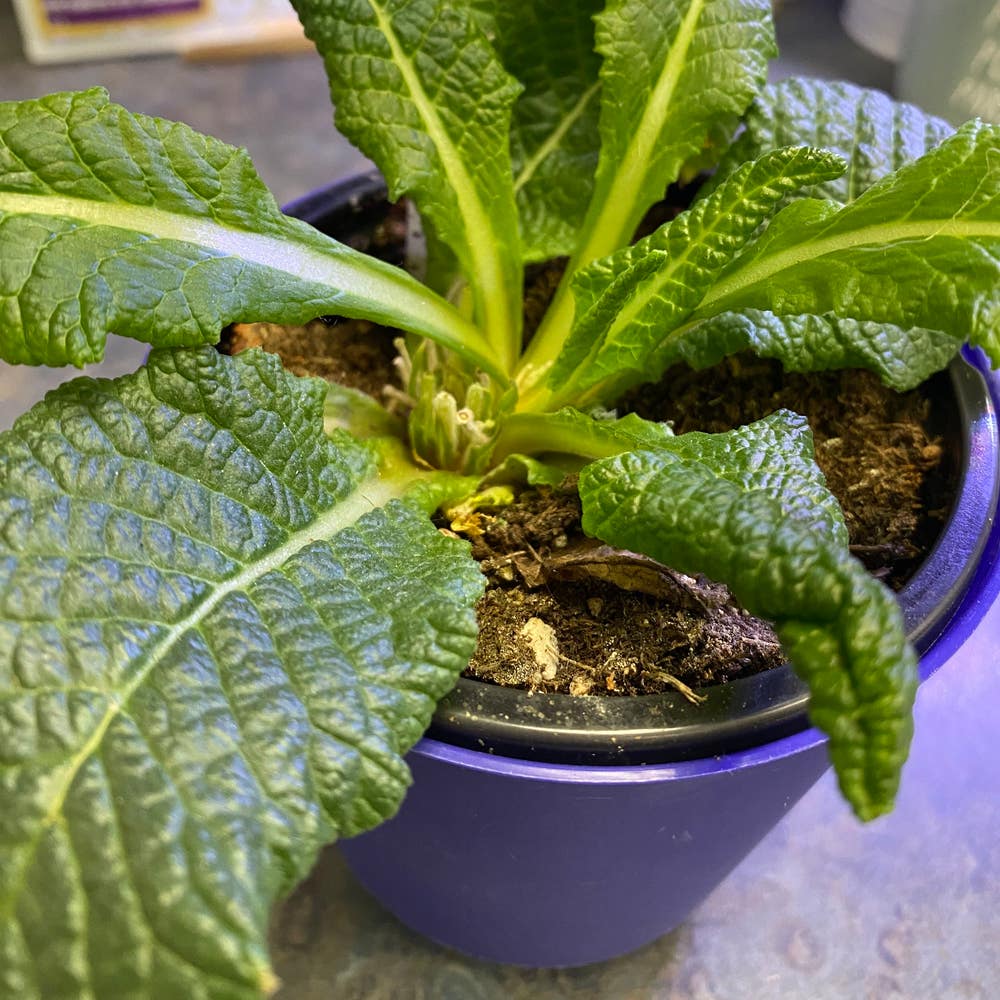
Cowslip adds vibrant color and unique texture to any garden. Its cheerful yellow flowers create a stunning contrast against lush green foliage, making it a standout choice for garden enthusiasts.
Seasonal interest is another highlight of Cowslip. As it blooms in spring, it brings life to the garden after winter, providing a delightful visual treat that evolves with the seasons.
Designing a Companion Planting Layout 🌿
Creating an effective companion planting layout involves thoughtful planning. Start by considering the height of plants; taller species should be placed at the back to ensure shorter plants receive adequate sunlight.
Color and bloom time are also crucial. Pair Cowslip with plants that complement its yellow hue while staggering bloom times to maintain continuous color throughout the growing season. This approach not only enhances visual appeal but also supports a thriving ecosystem.
Incorporating these design tips will elevate your garden's aesthetic while promoting healthy plant relationships. With careful consideration, your garden can become a vibrant tapestry of colors and textures that delights the senses.
⚠️ Safety First
This content is for general information and may contain errors, omissions, or outdated details. It is not medical, veterinary advice, or an endorsement of therapeutic claims.
Always consult a qualified healthcare professional before using any plant as food, medicine, or supplement.
Never eat any plant (or feed one to pets) without confirming its identity with at least two trusted sources.
If you suspect poisoning, call Poison Control (800) 222-1222, the Pet Poison Helpline (800) 213-6680, or your local emergency service immediately.
Spotted an error? Please report it here.
Transform your garden into a biodiversity haven 🌼 with Cowslip and let Greg provide tailored care tips to help your plants thrive together!