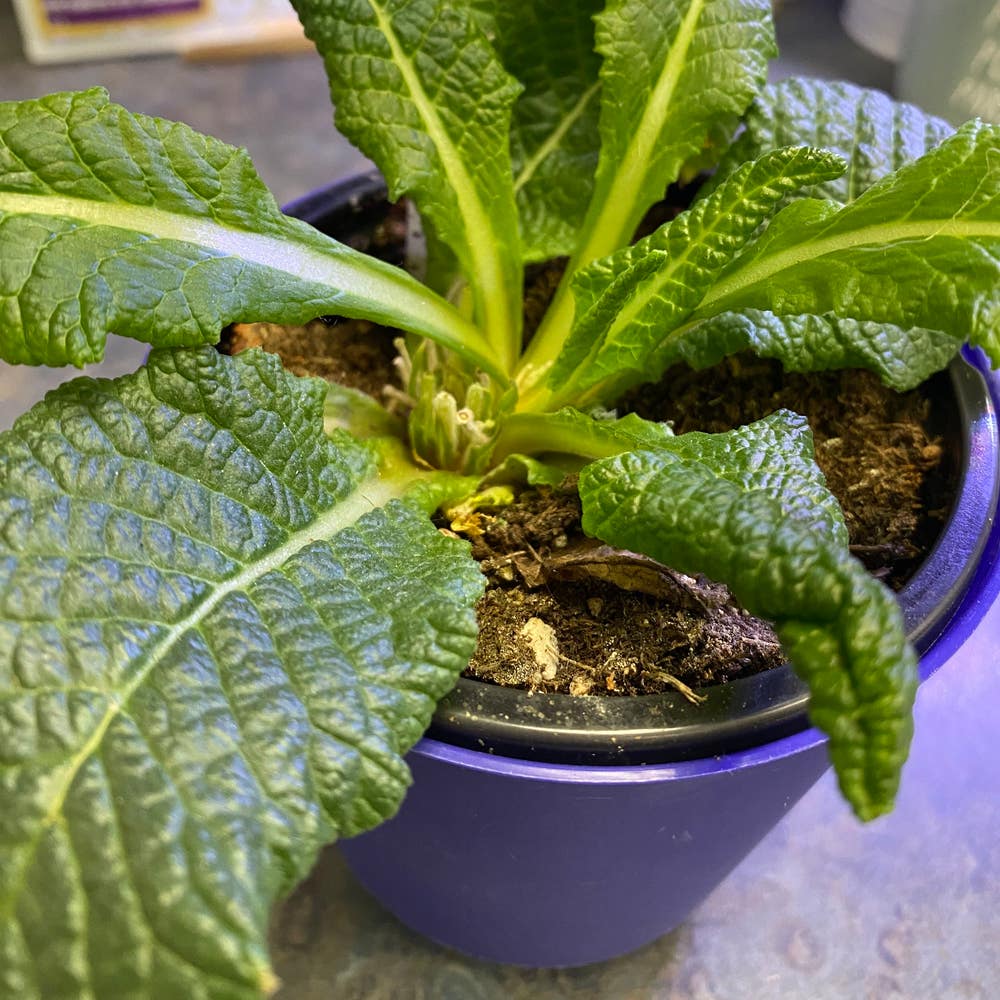
🌼 Managing Yellow Leaves on Your Cowslip
Primula veris
By the Greg Editorial Team
Oct 19, 2024•7 min read
This article was created with the help of AI so we can cover more plants for you. May contain errors. See one? Report it here.
Revive your Cowslip's vibrant leaves 🌿 with simple tips to diagnose and fix common plant issues!
- 🌱 Yellow leaves indicate issues like nutrient deficiencies, pests, or watering problems.
- 💧 Overwatering causes mushy roots, while underwatering leads to crispy edges.
- 🐛 Regular inspections for pests and diseases ensure timely intervention and healthy growth.
Causes of Yellow Leaves
🌱 Nutrient Deficiencies
Nitrogen Deficiency
Nitrogen is crucial for your Cowslip’s health. When there's a deficiency, you'll notice pale green to yellow leaves and stunted growth.
Iron Deficiency
Iron deficiency manifests as yellowing between leaf veins, leaving the veins themselves green. This imbalance can severely impact photosynthesis and overall growth.
💧 Overwatering and Root Rot
Symptoms of Overwatering
Overwatering can lead to yellowing leaves, wilting, and mushy roots. These symptoms indicate that your plant is struggling to breathe.
Root Rot Explanation
Root rot often stems from poor drainage and waterlogged soil. Ensuring well-draining soil is vital for keeping your Cowslip healthy and thriving.
🌵 Underwatering and Drought Stress
Signs of Underwatering
Underwatered Cowslips show crispy, dry leaf edges and drooping leaves. These signs indicate that your plant is in desperate need of moisture.
Effects of Drought Stress
Drought stress can severely affect your Cowslip's health. Consistent moisture is essential for maintaining vibrant foliage and overall vitality.
🐛 Pests Affecting Leaf Health
Aphids
Aphids leave a sticky residue and cause leaves to curl. Their presence can hinder nutrient uptake, leading to further health issues.
Slugs
Slugs create irregular holes in leaves and leave slime trails behind. This damage compromises leaf structure and can weaken your plant's overall health.
🍄 Fungal Diseases
Powdery Mildew
Powdery mildew appears as white powdery spots on leaves. Conditions like high humidity and poor air circulation promote this fungal growth, making it essential to monitor your plants closely.
Understanding these causes is the first step in addressing yellow leaves on your Cowslip. Next, we’ll explore how to diagnose these issues effectively.
Diagnosing Yellow Leaves
🌈 Visual Signs of Nutrient Deficiency
Identifying nutrient deficiencies in your Cowslip starts with a close look at the leaves. Different colors and patterns can indicate specific issues; for example, pale yellow leaves may signal nitrogen deficiency, while yellowing between veins often points to iron deficiency.
Regular leaf inspections are crucial for early diagnosis. Catching these signs early can save your plant from further decline.
💧 Identifying Overwatering vs. Underwatering
Understanding whether your Cowslip is overwatered or underwatered is essential for its health. Overwatering typically presents with mushy roots and yellowing leaves, while underwatering results in dry, crispy leaf edges and drooping foliage.
To assess moisture levels, check the roots and soil. Firm roots indicate proper watering, while dry soil suggests it's time to hydrate.
🐛 Recognizing Pest Damage
Pests can wreak havoc on your Cowslip, so it's vital to recognize their signs. Aphids leave a sticky residue and cause leaves to curl, while slugs create irregular holes and slime trails on the foliage.
Regular inspections can help catch these infestations early. Staying vigilant can prevent significant damage and keep your plants thriving.
🌿 Distinguishing Between Fungal and Environmental Issues
Fungal infections and environmental stress can both cause yellow leaves, but their symptoms differ. Powdery mildew, for instance, appears as white spots on leaves, while environmental stress often manifests as wilting or discoloration without distinct patterns.
Understanding these differences helps you take appropriate action. Proper diagnosis is key to restoring your Cowslip's health and vitality.
As you diagnose yellow leaves, remember that timely intervention can make all the difference. Next, let’s explore effective solutions to restore your Cowslip to its vibrant self.
Solutions for Yellow Leaves
🌊 Adjusting Watering Practices
To keep your Cowslip thriving, aim for consistent watering. Generally, watering once a week is ideal, but adjust based on weather conditions.
Check soil moisture by sticking your finger about an inch into the soil. If it feels dry, it’s time to water; if it’s still moist, hold off.
🌱 Fertilization Techniques
Fertilization is key to vibrant Cowslip. Both organic and chemical fertilizers can work, but organic options like compost or fish emulsion are often gentler on the plant.
Apply fertilizer in early spring and again mid-summer. This timing helps support growth during peak seasons.
🐛 Pest Control Methods
Pests can wreak havoc on your Cowslip, but there are effective control methods. Organic options like neem oil and insecticidal soap are great for managing infestations without harsh chemicals.
If you opt for chemical methods, use them sparingly and always follow safety precautions. Timing is crucial; apply treatments in the evening to minimize harm to beneficial insects.
🍞 Treatment for Fungal Infections
Fungal infections, like powdery mildew, can be a real nuisance. Homemade solutions, such as a mix of baking soda and water, can effectively treat these issues.
Combine one tablespoon of baking soda with a few drops of liquid soap in a gallon of water. Spray this mixture on affected leaves to help restore your plant’s health.
By implementing these solutions, you can combat yellow leaves and promote a flourishing Cowslip. Next, let’s explore how to prevent yellow leaves from becoming a recurring issue.
Preventing Yellow Leaves
🌱 Best Practices for Soil Health
To keep your Cowslip thriving, focus on achieving the right soil composition. Aim for well-draining, moisture-retentive soil that allows roots to breathe while holding enough water.
Soil pH is equally crucial; maintain it between 6.0 and 7.0 for optimal growth. Regular soil testing can help you monitor these levels and make necessary adjustments.
🔍 Regular Monitoring and Maintenance
Routine checks for pests and diseases can save your Cowslip from potential harm. Look for any signs of distress, such as yellowing leaves or unusual spots.
Keeping a care journal is a great way to track plant health over time. Documenting your observations will help you identify patterns and make informed decisions.
🍂 Seasonal Care Tips for Cowslip
Adjust your care practices as the seasons change. In spring, focus on fertilization and watering, while in fall, prepare your plants for dormancy.
Understanding seasonal needs will help your Cowslip flourish year-round. Tailoring your approach ensures that your plants receive the right care at the right time.
📍 Choosing the Right Location for Optimal Growth
Finding the perfect spot for your Cowslip is essential. Balance sunlight and shade to create an ideal environment for growth.
Avoid areas with extreme temperature fluctuations, as these can stress your plants. A stable environment contributes significantly to their overall health and vitality.
By implementing these preventive measures, you can enjoy vibrant, healthy Cowslip plants. Next, let’s explore some effective care tips to ensure they thrive.
Cowslip Care Tips
Ideal Soil Composition and pH 🌱
Cowslip thrives in well-draining, moisture-retentive soil. Aim for a mix that includes organic matter to enhance drainage and nutrient retention.
Testing your soil's pH is crucial. Cowslip prefers a pH between 6.0 and 7.0, which supports optimal nutrient availability.
Recommended Watering Schedule 💧
Watering frequency is key to Cowslip health. Generally, aim to water once a week, adjusting based on rainfall and temperature.
In the hotter months, you may need to increase watering. Always check the soil moisture before watering to avoid over or underwatering.
Fertilization Frequency and Type 🌼
Fertilizing Cowslip at the right times boosts growth. Early spring is ideal for the first application, followed by another in mid-summer.
Use balanced fertilizers, either organic or chemical, to provide essential nutrients. Organic options, like compost, can enhance soil health over time.
Pruning and Deadheading Techniques ✂️
Pruning is essential for maintaining Cowslip health. Trim back dead or damaged leaves in early spring to encourage new growth.
Deadheading spent flowers not only keeps your plant looking tidy but also promotes prolonged blooming. Regular maintenance ensures your Cowslip remains vibrant and healthy.
With these care tips, your Cowslip will flourish, bringing beauty to your garden. Next, let’s explore how to prevent yellow leaves and keep your plants thriving.
⚠️ Safety First
This content is for general information and may contain errors, omissions, or outdated details. It is not medical, veterinary advice, or an endorsement of therapeutic claims.
Always consult a qualified healthcare professional before using any plant as food, medicine, or supplement.
Never eat any plant (or feed one to pets) without confirming its identity with at least two trusted sources.
If you suspect poisoning, call Poison Control (800) 222-1222, the Pet Poison Helpline (800) 213-6680, or your local emergency service immediately.
Spotted an error? Please report it here.
Transform your Cowslip's yellow leaves into vibrant green ones 🌿 by using Greg's tailored watering reminders and pest control tips for thriving plants!