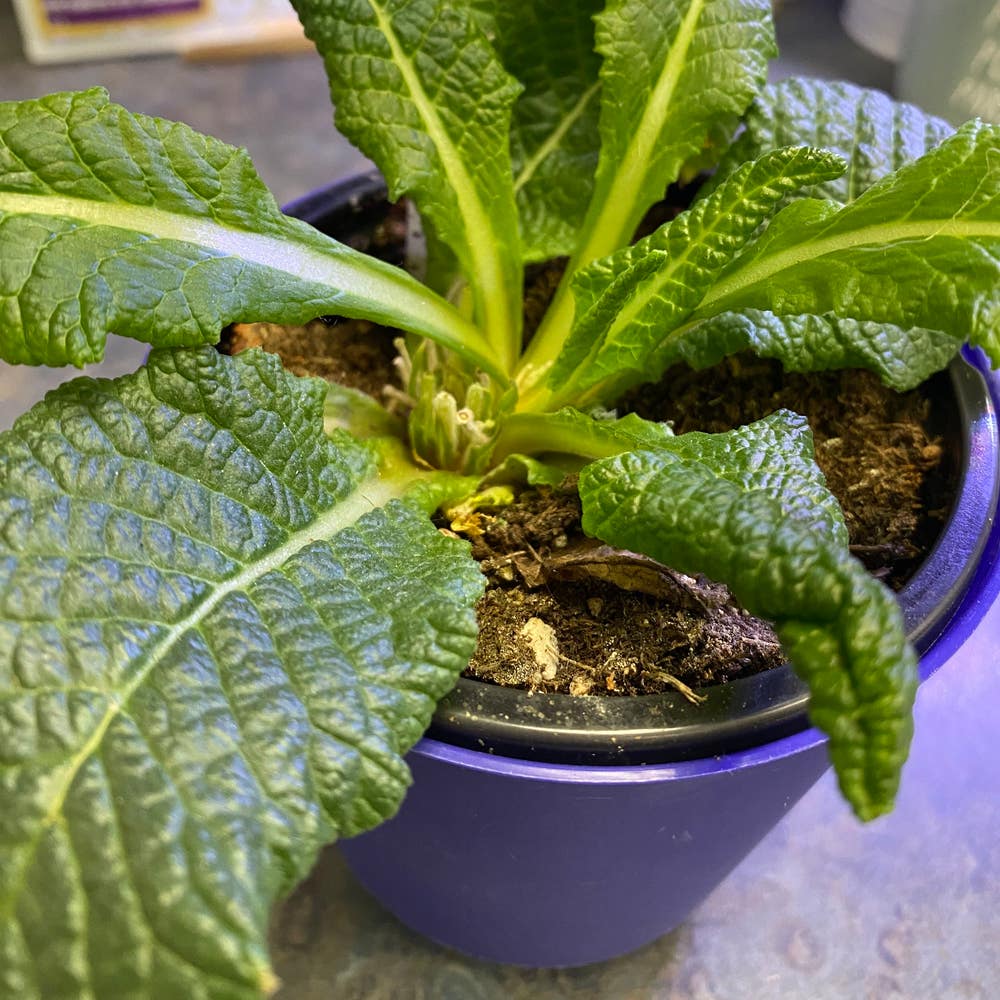
When to Plant Your Cowslip 🌼
Primula veris
By the Greg Editorial Team
Oct 19, 2024•7 min read
This article was created with the help of AI so we can cover more plants for you. May contain errors. See one? Report it here.
Unlock a thriving Cowslip garden 🌱 by mastering the perfect planting timing for vibrant blooms all season long!
- 🌱 Plant Cowslip after the last frost for healthy seedlings and optimal growth.
- 🌡️ Ideal soil temperature for germination is between 60°F to 70°F.
- 🗓️ Planting months vary by region; check local guidelines for best timing.
Timing for Planting Cowslip
🌨️ Importance of Frost Dates
Frost dates are crucial for successful Cowslip planting. They refer to the last frost date in spring and the first frost date in fall.
Cowslip is particularly sensitive to frost; planting too early can damage seedlings. The ideal planting window is after the last frost date in spring.
To find your local frost dates, utilize local agricultural extensions or gardening resources. You can also reference planting calendars specific to your region for accurate timing.
🌡️ Soil Temperature Considerations
The optimal soil temperature for Cowslip germination ranges from 60°F to 70°F (15°C to 21°C). This temperature range is vital for robust seedling development.
To check soil temperature, use a soil thermometer. For the most accurate readings, check in the early morning or late afternoon.
Soil temperature significantly affects seed germination rates and overall plant health. Ensuring the right conditions can lead to a thriving Cowslip garden.
🌞 Day Length and Its Impact
Photoperiod refers to the length of daylight hours, and it plays a key role in Cowslip growth. This plant prefers longer daylight hours for optimal development.
The ideal day length for planting Cowslip is between 12 to 14 hours. Monitoring day length can be easily done using gardening apps or websites that track seasonal changes.
Understanding these factors will help you create the best environment for your Cowslip. With the right timing, your garden can flourish beautifully.
Regional Planting Considerations
Ideal Planting Months for Key States 🌱
When it comes to planting Cowslip, timing is everything. Here’s a quick guide to the ideal planting months across various states:
Florida
For those in the Sunshine State, the best time to plant Cowslip is between February and March. This window allows you to take advantage of the warm climate before the heat intensifies.
California
In California, aim for March to April. The mild temperatures during this period create a perfect environment for your Cowslip to thrive.
Texas
Similar to California, Texas gardeners should plant Cowslip from March to April. This timing ensures that your plants are well-established before the summer heat kicks in.
New York
If you're in New York, wait until April to May to plant. This timing helps you avoid the lingering frost and gives your Cowslip the best chance to flourish.
Colorado
In Colorado, the ideal planting window is also April to May. Be mindful of the unpredictable weather, as late frosts can still occur.
Ohio
Ohio gardeners should follow the same schedule as Colorado, planting Cowslip from April to May. This timing aligns well with the local climate conditions.
Understanding these regional differences is crucial for successful planting. By aligning your planting schedule with local conditions, you set your Cowslip up for a vibrant growing season.
Next, let’s explore effective seed starting techniques to ensure your plants get the best possible start.
Seed Starting Techniques
Starting Seeds Indoors 🌱
Starting your Cowslip seeds indoors is a great way to get a head start on the growing season. Aim to begin this process 6-8 weeks before the last frost date in your area.
For the best results, use a well-draining seed starting mix. This ensures that your seeds have the right environment to germinate without becoming waterlogged.
Light is crucial for healthy seedlings. Provide 12-14 hours of light daily using grow lights to mimic natural sunlight. This will help your seedlings grow strong and robust.
Transplant your seedlings when they develop 2-3 true leaves. This is a sign that they are ready to move to larger pots or into the garden.
Direct Sowing Best Practices 🌼
If you prefer to sow seeds directly into the garden, timing is key. The ideal time for direct sowing is after the last frost date.
Prepare your soil well by ensuring it is well-drained and moist, enriched with organic matter. This creates a fertile environment for your Cowslip to thrive.
When sowing, plant the seeds about 1/4 inch deep. This depth allows them to receive adequate moisture while still being close to the surface.
Finally, space your seeds 12-18 inches apart. This spacing promotes optimal growth and airflow, reducing the risk of disease.
With these seed starting techniques, you’ll be well on your way to a flourishing Cowslip garden. Next, let’s explore the factors influencing planting timing to ensure your plants thrive in their unique environment.
Factors Influencing Planting Timing
🌦️ Climate Variability and Local Growing Seasons
Different climates significantly affect when you should plant Cowslip. In tropical regions, you might have a longer growing season, while temperate and arid climates can restrict planting times.
The growing season is defined as the period between the last frost in spring and the first frost in fall. Understanding your local weather patterns and USDA hardiness zones is crucial for successful planting.
🏞️ Microclimates and Their Impact
Microclimates are small areas that experience different climate conditions compared to their surroundings. These variations can be influenced by factors like elevation, proximity to water, and urban heat.
To identify microclimates in your garden, observe areas that receive more sunlight or are sheltered from wind. Adjust your planting times accordingly to take advantage of these unique conditions.
Understanding both climate variability and microclimates will help you optimize your planting schedule for Cowslip, ensuring a thriving garden. Next, let’s explore the ideal planting months for key states across the U.S.
Comprehensive Planting Guide
Month-by-Month Planting Recommendations 🌱
When it comes to planting Cowslip, timing is everything. Each state has its unique climate and conditions, which dictate the best months for planting. Here’s a handy guide to help you navigate the planting months across the United States.
| State | Recommended Planting Months |
|---|---|
| Florida | February to March |
| California | March to April |
| Texas | March to April |
| New York | April to May |
| Colorado | April to May |
| Ohio | April to May |
Local Considerations 🌍
While the above table provides a general guideline, remember to consider local frost dates, soil temperatures, and day length.
- Frost Dates: Always check your local frost dates to avoid planting too early or too late.
- Soil Temperature: Ensure the soil temperature is between 60°F to 70°F for optimal germination.
- Day Length: Aim for 12-14 hours of daylight for the best growth.
Tailoring Your Approach 🎯
Understanding these factors will help you tailor your planting approach. For instance, if you're in Florida, you can start planting as early as February, while those in New York should wait until April.
By aligning your planting schedule with local conditions, you’ll set your Cowslip up for success. This thoughtful approach not only enhances growth but also enriches your gardening experience.
As you prepare for planting, keep these regional considerations in mind. Next, let’s dive into effective seed starting techniques to ensure your Cowslip thrives!
⚠️ Safety First
This content is for general information and may contain errors, omissions, or outdated details. It is not medical, veterinary advice, or an endorsement of therapeutic claims.
Always consult a qualified healthcare professional before using any plant as food, medicine, or supplement.
Never eat any plant (or feed one to pets) without confirming its identity with at least two trusted sources.
If you suspect poisoning, call Poison Control (800) 222-1222, the Pet Poison Helpline (800) 213-6680, or your local emergency service immediately.
Spotted an error? Please report it here.
Master the art of planting Cowslip with Greg's tailored reminders and expert tips, ensuring your garden flourishes after the last frost! 🌼