Cowslip Is Not an Annual 🌼
Primula veris
By the Greg Editorial Team
Oct 19, 2024•6 min read
This article was created with the help of AI so we can cover more plants for you. May contain errors. See one? Report it here.
Transform your garden with Cowslip's vibrant blooms and resilience, boosting beauty and biodiversity! 🌼
- 🌼 Cowslip is a perennial, thriving for five years or more, not an annual.
- 🌱 It has three life phases: emergence, flowering, and dormancy throughout the seasons.
- 🌍 Cowslip adapts to various environments, enhancing biodiversity in gardens and ecosystems.
Genetic and Physiological Characteristics
🌱 Long-term Lifecycle of Cowslip
Cowslip typically thrives for several years under optimal conditions, often living up to five years or more. Its lifecycle includes distinct phases: emergence, flowering, and dormancy, each contributing to its resilience and adaptability.
📈 Stages of Growth Over Multiple Years
- Emergence: In early spring, Cowslip emerges from the ground, showcasing its vibrant leaves.
- Flowering: By late spring, it bursts into bloom, attracting pollinators with its bright yellow flowers.
- Dormancy: As summer fades, the plant enters dormancy, conserving energy for the next growth cycle.
🌿 Growth Patterns of Cowslip
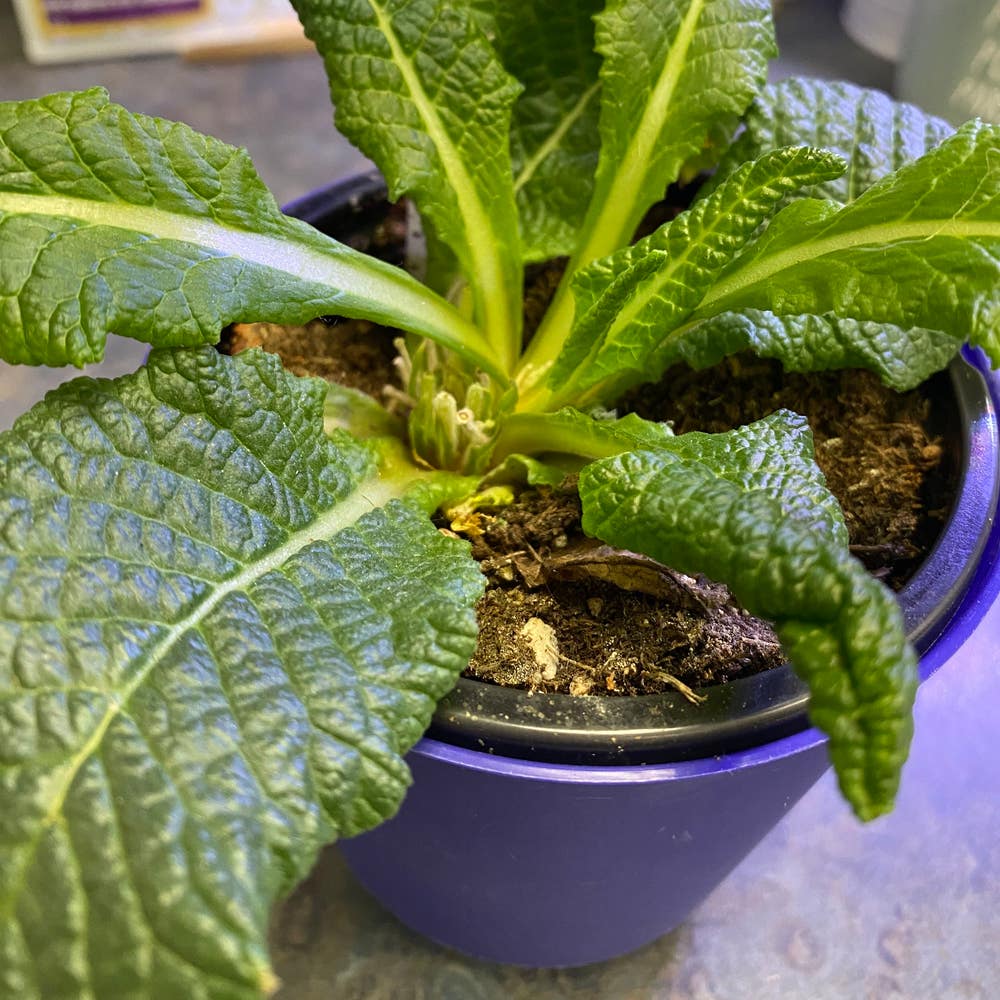
Cowslip exhibits a unique rosette leaf formation, which allows it to maximize sunlight capture. This growth pattern is crucial for its survival, especially during the colder months.
🌸 Seasonal Growth Variations
- Spring Flowering: Cowslip's flowers typically bloom in spring, creating a stunning display.
- Winter Dormancy: As temperatures drop, the plant goes dormant, conserving resources until spring returns.
🌍 Adaptations to Different Environments
Cowslip is remarkably adaptable, thriving in various environments. It can flourish in both moist meadows and drier soils, showcasing its versatility.
♻️ Reproductive Strategies of Cowslip
Cowslip employs both sexual and asexual reproduction strategies to ensure its survival.
🌱 Seed Production Mechanisms
- Viability of Seeds in Soil: Cowslip seeds can remain viable in the soil for several years, waiting for the right conditions to germinate.
- Germination Conditions: Ideal germination occurs in well-drained soil with adequate moisture and light.
🌿 Asexual Reproduction Through Root Division
In addition to seed production, Cowslip can reproduce asexually through root division. This method allows the plant to spread and establish itself in new areas, enhancing its chances of survival.
Understanding these genetic and physiological characteristics of Cowslip not only highlights its resilience but also sets the stage for exploring its lifecycle implications. Next, we’ll delve into how its growth and flowering cycles align with seasonal changes.
Lifecycle Implications
🌱 Growth and Flowering Cycles of Cowslip
Cowslip's flowering is closely tied to seasonal changes. Typically, blooms appear in spring, lasting several weeks and creating a vibrant display.
The perennial nature of Cowslip means it can flower multiple times over its lifespan. This cyclical growth not only enhances its beauty but also supports local ecosystems.
🌼 Seed Production in Cowslip vs. Annuals
When comparing Cowslip to annuals, the seed output and viability stand out. Cowslip produces seeds that can remain dormant in the soil for years, waiting for the right conditions to germinate.
Additionally, Cowslip employs various strategies for seed dispersal, ensuring survival across different environments. This resilience has significant implications for garden planning, as it promotes biodiversity and supports pollinators.
Understanding these lifecycle implications can help gardeners make informed decisions about incorporating Cowslip into their designs. The benefits extend beyond aesthetics, fostering a thriving ecosystem in your garden.
Regional Variations and Misconceptions
🌱 Conditions Where Cowslip May Be Mistaken for an Annual
Cowslip, often misidentified as an annual, can thrive in various environments. However, poor soil conditions or extreme climates can lead to its misclassification.
When gardeners encounter stunted growth or lack of blooms, they might assume Cowslip is short-lived. This misunderstanding often stems from not recognizing its perennial nature and specific growth requirements.
🌍 Exceptions in Different Regions
Cowslip's growth habits can vary significantly based on geography. In some regions, it may flourish, while in others, it struggles to establish itself.
For instance, in nutrient-rich soils, Cowslip can thrive and produce abundant flowers. Conversely, in arid or overly wet conditions, its growth may be stunted, leading to misconceptions about its lifecycle.
Understanding these regional differences is crucial for gardeners. By recognizing the specific needs of Cowslip, they can better appreciate its resilience and beauty in diverse habitats.
As we delve deeper into garden design and planting strategies, consider how these insights can enhance your approach to cultivating Cowslip.
Garden Design and Planting Strategies
🌼 Advantages of Using Cowslip in Perennial Gardens
Incorporating Cowslip into your garden design offers numerous benefits. One of the standout advantages is its ability to attract pollinators, which enhances biodiversity and supports a healthy ecosystem.
Cowslip's vibrant flowers not only draw in bees and butterflies but also add a splash of color to your garden. Their unique appearance can create a visually appealing landscape, making your garden a delightful place to spend time.
🗺️ Planning for Cowslip in Garden Design
When planning for Cowslip, consider ideal planting locations. They thrive in well-drained soil and prefer partial shade, making them perfect for woodland gardens or borders.
Companion plants like ferns and hostas can complement Cowslip beautifully. These plants not only share similar growing conditions but also create a lush, layered effect in your garden.
Seasonal considerations are crucial for planting and maintenance. Plant Cowslip in early spring or fall to give them a head start. Regular monitoring for moisture and nutrients will ensure they flourish throughout the seasons.
With thoughtful planning, Cowslip can become a stunning and beneficial addition to your garden. Next, let’s explore management tips to maximize the longevity and health of your Cowslip plants.
Management Tips for Cowslip
🌱 Tips for Maximizing Longevity
To ensure your Cowslip thrives, focus on soil and moisture management. Well-draining soil rich in organic matter is essential for healthy growth.
Regularly check moisture levels, especially during dry spells. Cowslip prefers consistent moisture but can suffer from waterlogged conditions.
📅 Importance of Seasonal Care and Monitoring
Seasonal care is crucial for the longevity of Cowslip. Monitor your plants closely throughout the year to catch any issues early.
Adjust your care routine based on seasonal changes. This includes mulching in winter to protect roots and providing shade during hot summer months.
🌼 Best Practices for Perennial Care
Promoting healthy growth in Cowslip involves several best practices. Pruning spent flowers encourages new blooms and prevents disease.
Fertilization should be done sparingly, using a balanced fertilizer in early spring. This supports robust growth without overwhelming the plant.
🐛 Pest Management Techniques
Keep an eye out for common pests like aphids and slugs. Regular inspections can help you catch infestations before they become a problem.
Using organic pest control methods can protect your Cowslip while maintaining a healthy garden ecosystem.
⏰ Timing for Dividing and Propagating Cowslip
Dividing Cowslip is best done in early spring or fall. This not only rejuvenates the plant but also allows for propagation.
When dividing, ensure each section has healthy roots and foliage. This increases the chances of successful replanting and growth.
By following these management tips, you can enjoy the beauty and benefits of Cowslip in your garden for years to come. Next, let’s explore how to effectively plan for Cowslip in your garden design.
⚠️ Safety First
This content is for general information and may contain errors, omissions, or outdated details. It is not medical, veterinary advice, or an endorsement of therapeutic claims.
Always consult a qualified healthcare professional before using any plant as food, medicine, or supplement.
Never eat any plant (or feed one to pets) without confirming its identity with at least two trusted sources.
If you suspect poisoning, call Poison Control (800) 222-1222, the Pet Poison Helpline (800) 213-6680, or your local emergency service immediately.
Spotted an error? Please report it here.
Embrace the beauty of Cowslip as a long-lasting perennial 🌼 with Greg's tailored care reminders and watering plans to keep your garden thriving for years!